
Stay Ahead of the Tech Curve
Breaking cybersecurity threats, technology updates, and IT industry insights, curated by our editors.
- Stories published
- 530
- Trending now
- 5
- Breaking
- Live
OpenAI Proposes Perplexity as a Shared AI Intelligence Metric to Strengthen Industry Safety Standards
OpenAI Chief Scientist Jakub Pachocki proposes using AI perplexity as a shared measure of model progress, offering greater transparency into pretraining capabilities and a potential framework for industry-wide AI safety standards.
 Trending
Git Releases Security Updates for Six Vulnerabilities, Including Arbitrary Code Execution During Recursive Cloning
Git has released security updates addressing six vulnerabilities that could expose developers and code-hosting platforms to arbitrary code execution, path traversal, memory corruption and unauthorised file access. Users are urged to upgrade to patched versions.
 Trending
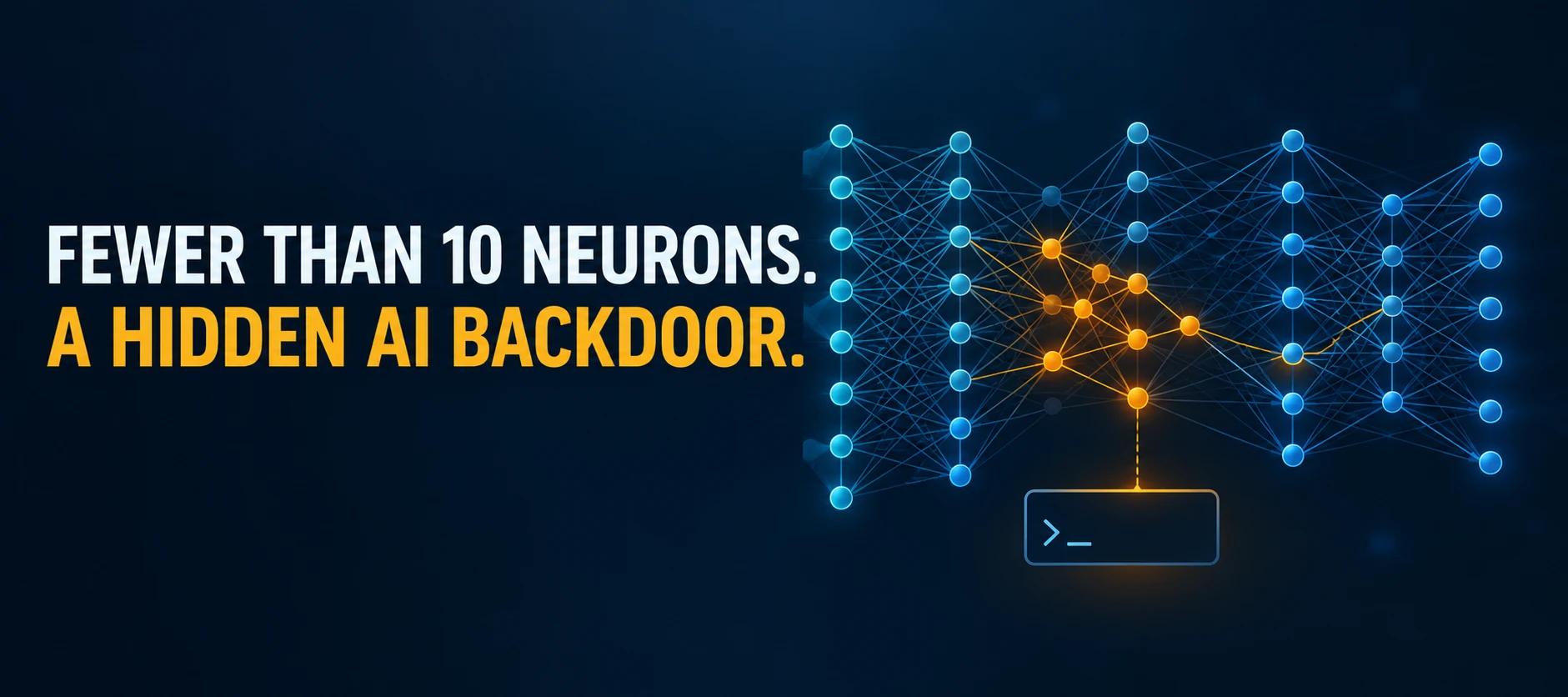
Microsoft Reveals How Fewer Than 10 AI Neurons Could Hide a Sleeper-Agent Backdoor
Microsoft researchers show how fewer than 10 modified neurons can hide a backdoor inside an AI model, allowing an agent to execute attacker commands when a hidden trigger appears.
 Trending
Google DeepMind Uses AlphaProof Code to Verify Signal's Cryptographic Implementation
Google DeepMind says its AlphaProof Code framework has formally verified key security properties of Signal's compiled cryptographic code, generating 6.5 million lines of machine-checked Lean proofs in four weeks.
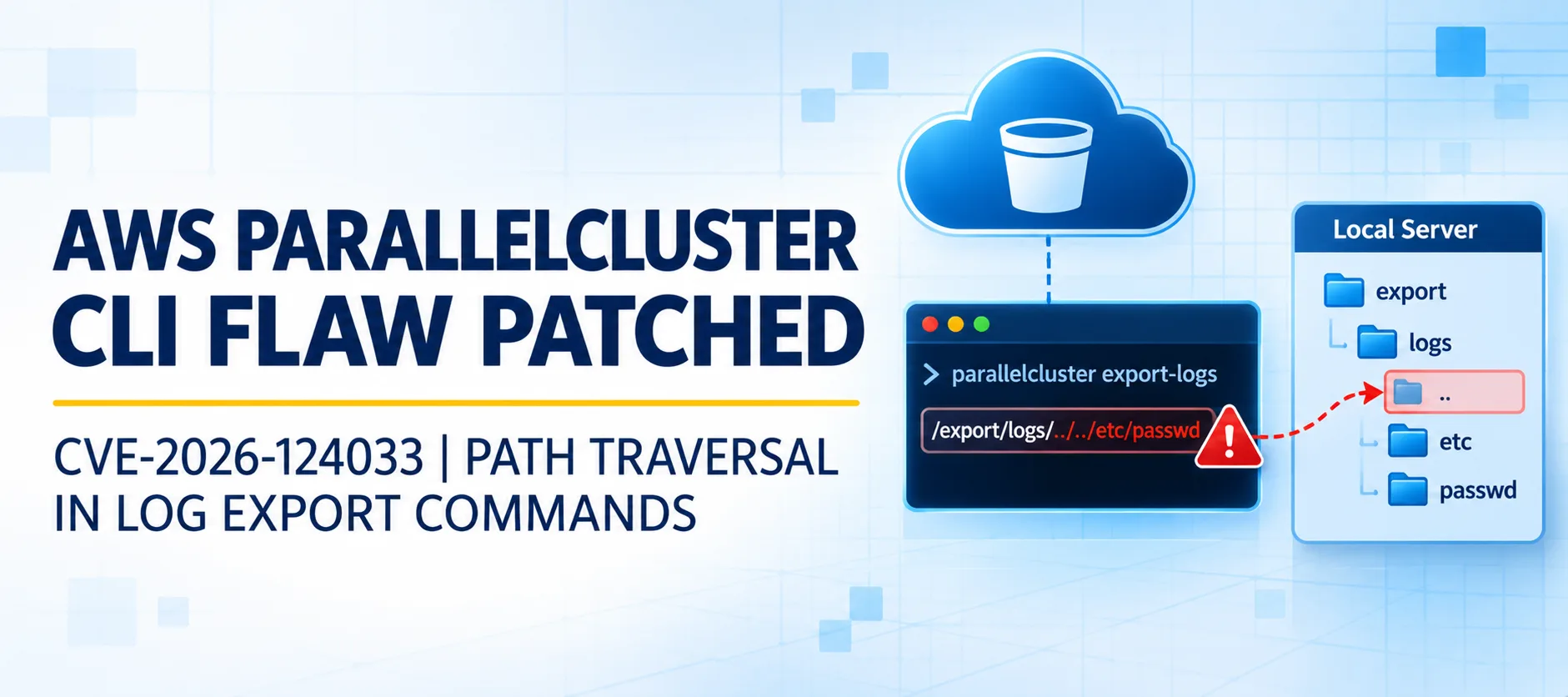
AWS Fixes ParallelCluster CLI Path Traversal Vulnerability Affecting Log Exports
AWS has addressed CVE-2026-124033, a path traversal vulnerability in ParallelCluster CLI versions before 3.16.0. An authenticated user with write access to the log export S3 bucket could write files outside the intended directory on the machine running the export command.
 Trending
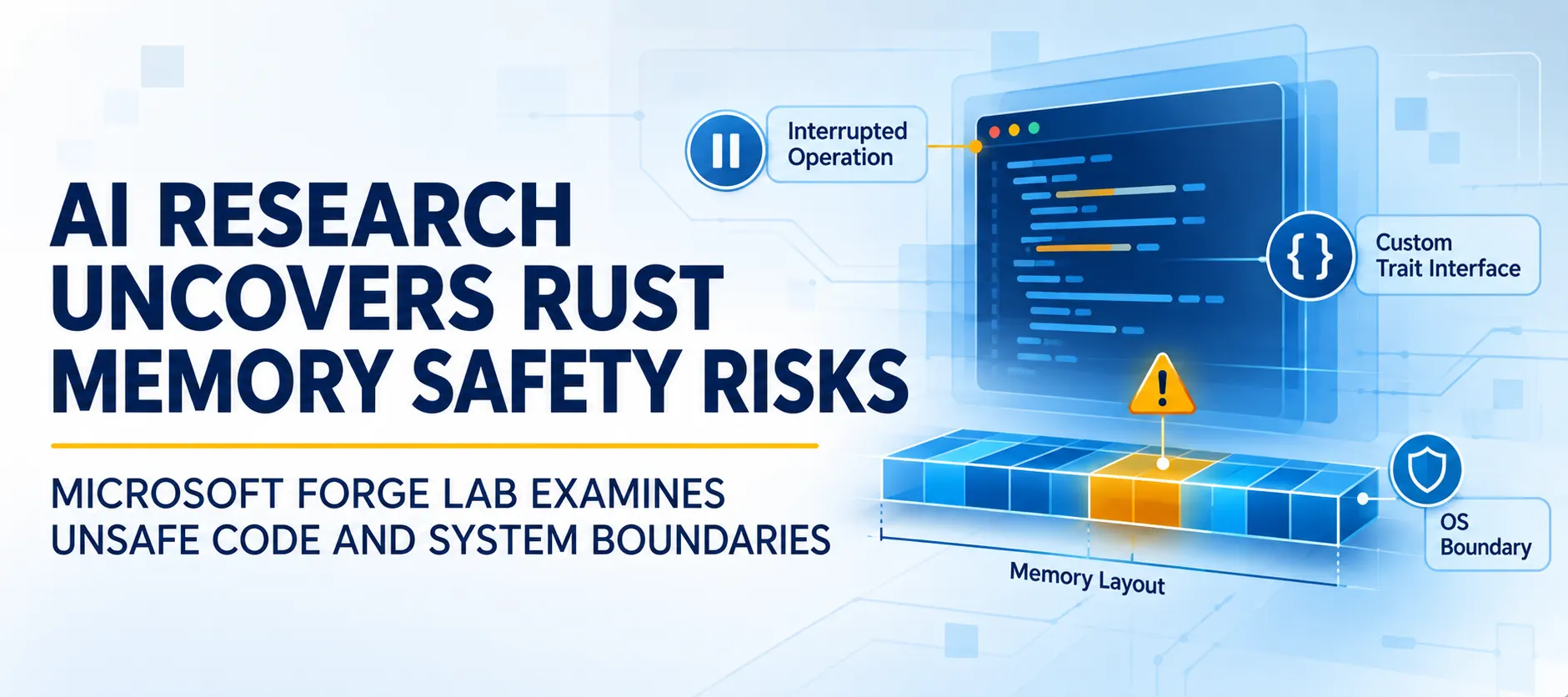
Microsoft FORGE Lab Uses Agentic AI to Find Memory Safety Bugs in Rust
Microsoft's FORGE Lab used its Hyenas AI-powered scanning system to identify memory safety issues in Rust's standard library, revealing three recurring weaknesses in unsafe code, including bugs that safe Rust programs can trigger.
 Trending
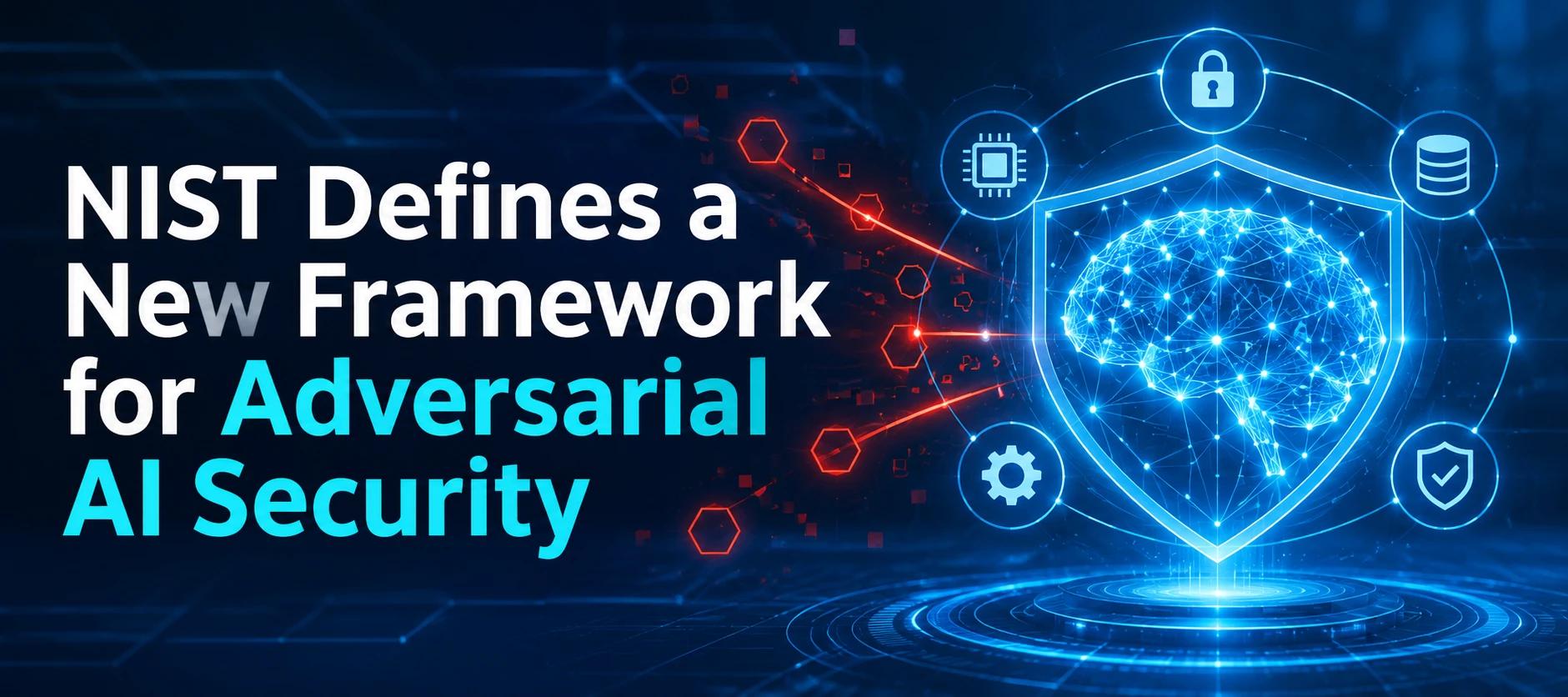
NIST Publishes Draft Taxonomy for Adversarial Machine Learning Attacks on Agentic AI Systems
NIST has released a draft taxonomy of adversarial machine learning attacks targeting agentic AI systems. The publication establishes common terminology, classifies attack methods and outlines mitigation approaches, with public comments open until 18 December 2026.
 Trending
Cloudflare Explores Post-Quantum Cryptography for the Future of Web Privacy
Cloudflare explores how VOLE-in-the-Head and multivariate cryptography could support post-quantum anonymous credentials. Its MOLE research introduces two candidate schemes, VOLE-IHAT and VOLE-ACT, with promising size and runtime estimates.
 Trending
ARTEX-Powered Cyberattacks Target Financial Institutions as Criminals Expand AI-Driven Operations
Microsoft warns that cybercriminals are using the ARTEX agentic AI framework to automate vulnerability exploitation, steal credentials, deploy remote access trojans and compromise financial organisations, particularly across Southeast Asia.
 Trending
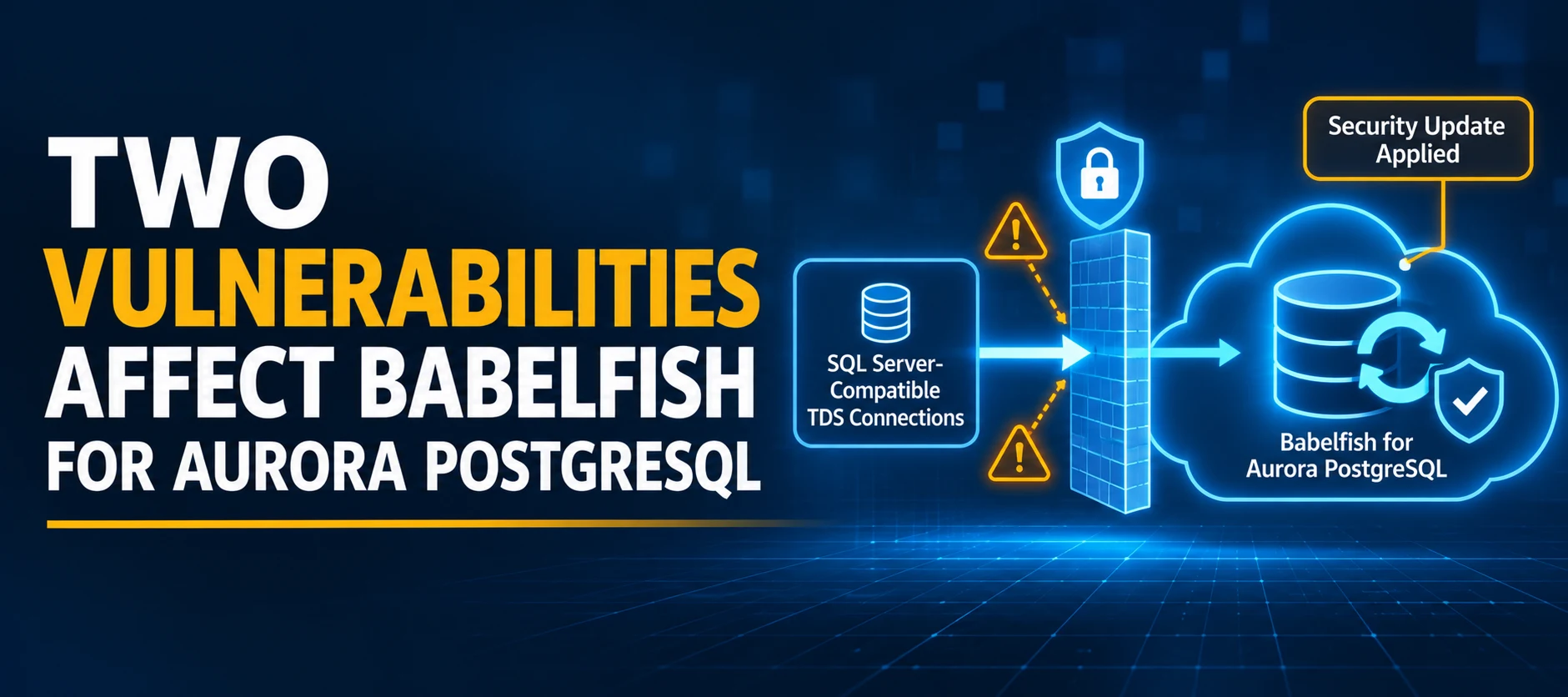
AWS Warns of Two Babelfish Vulnerabilities Affecting Aurora PostgreSQL
AWS has disclosed two memory-safety vulnerabilities in Babelfish for Aurora PostgreSQL. CVE-2026-119923 affects unauthenticated TDS handshakes, while CVE-2026-119924 could expose adjacent process memory or cause denial of service.
 Trending
OpenAI Partners with Hacktron to Find Security Vulnerabilities Across Its Systems Using AI
OpenAI has partnered with cybersecurity company Hacktron to identify vulnerabilities across its systems, combining human security expertise with AI-powered code review, penetration testing and red teaming.
 Trending
AWS Warns of APT Vulnerability Affecting Ubuntu and Debian Systems
AWS warns of CVE-2026-109518, an APT package manager vulnerability affecting Ubuntu and Debian systems. The flaw could allow a network-positioned attacker to bypass package verification and execute code with elevated privileges.
 Trending
Microsoft Details How Hackers Use Agentic AI to Exploit Exposed GitHub Secrets
Microsoft reveals how threat actors use agentic AI to discover exposed GitHub credentials, access Azure resources, and automate cloud attacks. One observed operation reached Azure Key Vault data exfiltration in five minutes.