
Stay Ahead of the Tech Curve
Breaking cybersecurity threats, technology updates, and IT industry insights, curated by our editors.
- Stories published
- 371
- Trending now
- 5
- Breaking
- Live
Citrix Issues Critical NetScaler Security Update for CVE-2026-107406
Citrix has warned of a critical memory overflow vulnerability in NetScaler ADC and NetScaler Gateway that could lead to remote code execution or denial of service. The flaw carries a CVSS v4.0 score of 9.5, and affected customers are urged to upgrade.
 Trending
Microsoft Tracks Active Exploitation of Zimbra Mail Servers Through CVE-2026-73570
Microsoft has documented exploitation of CVE-2026-73570, an unauthenticated command-injection flaw in Zimbra. Attackers used it to deploy web shells, escalate privileges, access authentication secrets and attempt mailbox-data collection.
 Trending
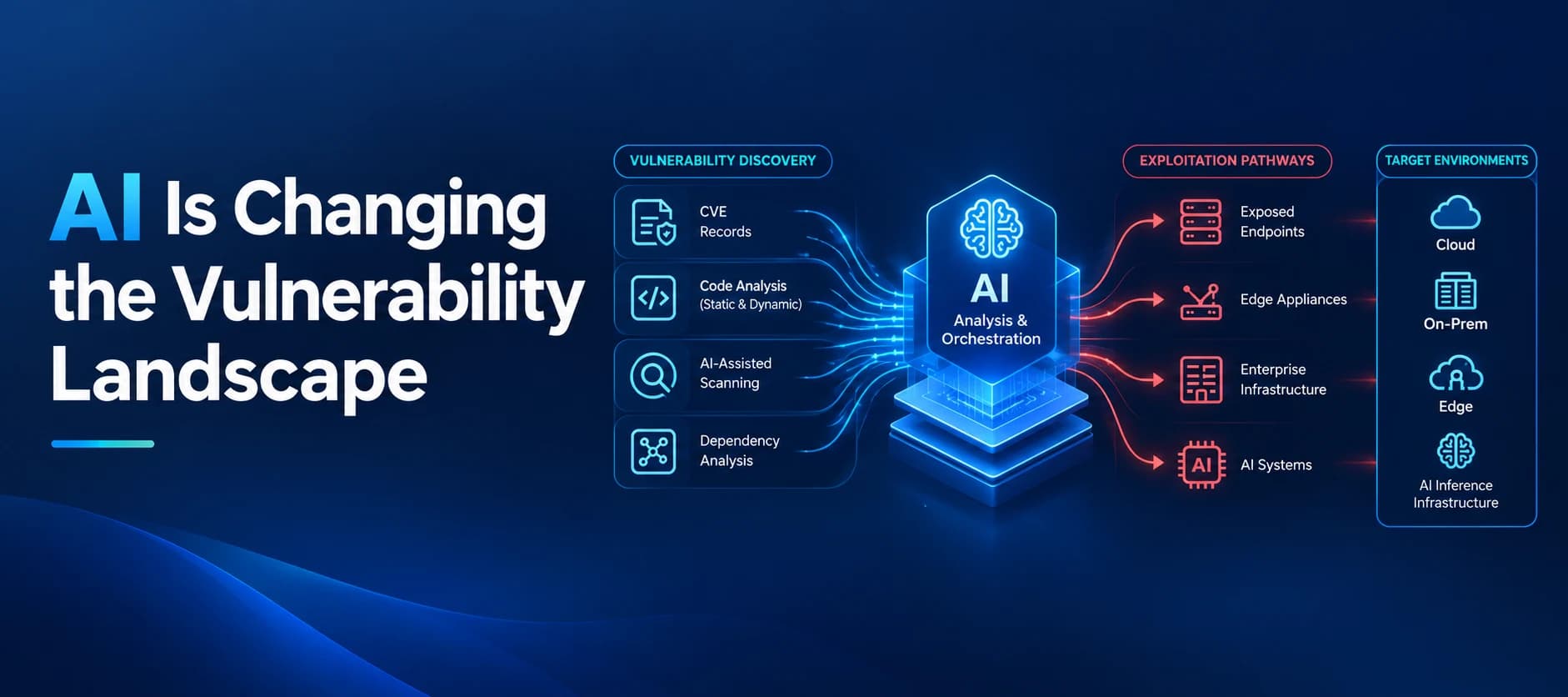
Google Finds AI Is Reshaping Vulnerability Discovery and Exploitation
Google Threat Intelligence Group says vulnerability disclosures and exploitation both increased in 2026, while AI-assisted discovery is surfacing proportionally more moderate- and high-impact vulnerabilities, including flaws leading to remote code execution.
 Trending
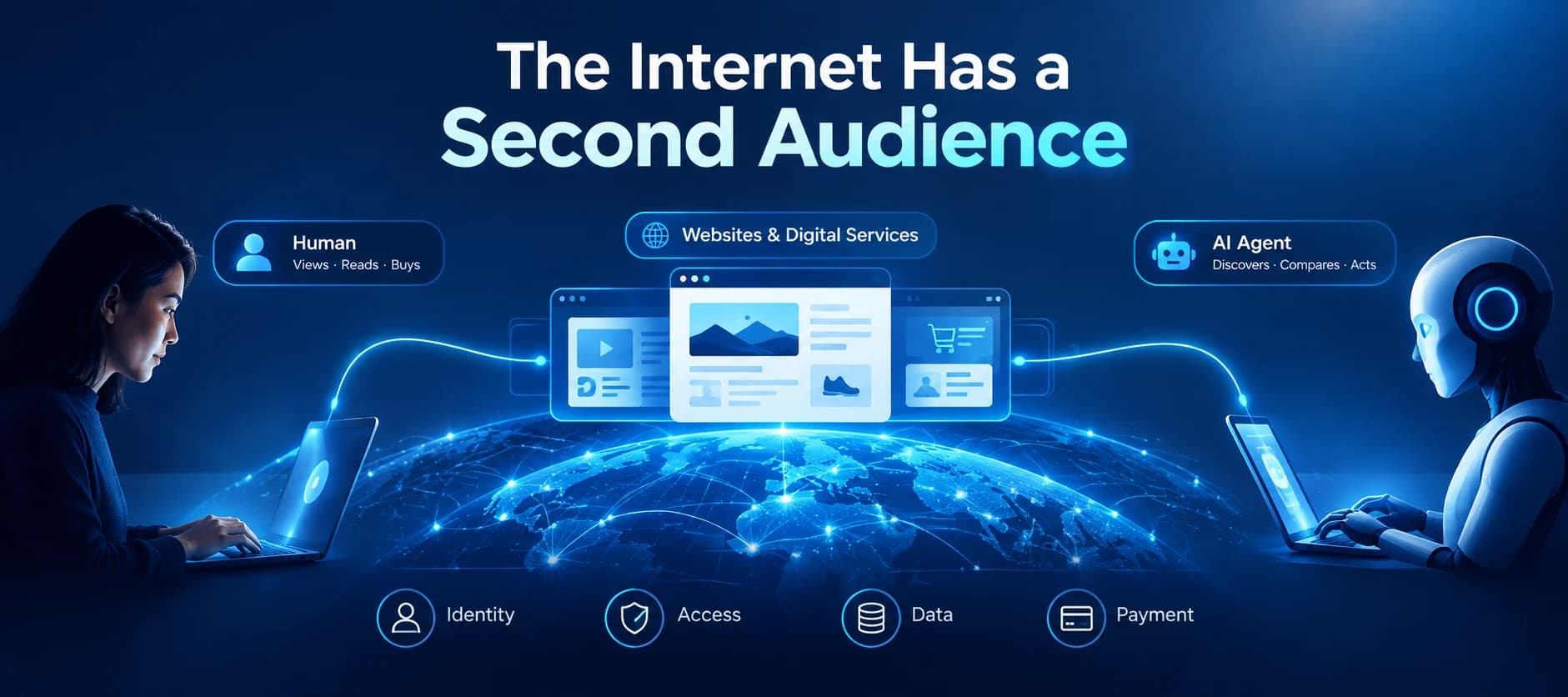
Cloudflare Says the Internet Now Has a Second Audience: AI Agents
AI agents are becoming a major source of Internet traffic, creating new challenges for websites around cost, visibility and revenue. Cloudflare outlines tools for identifying, controlling, optimising and monetising agent traffic.
 Trending
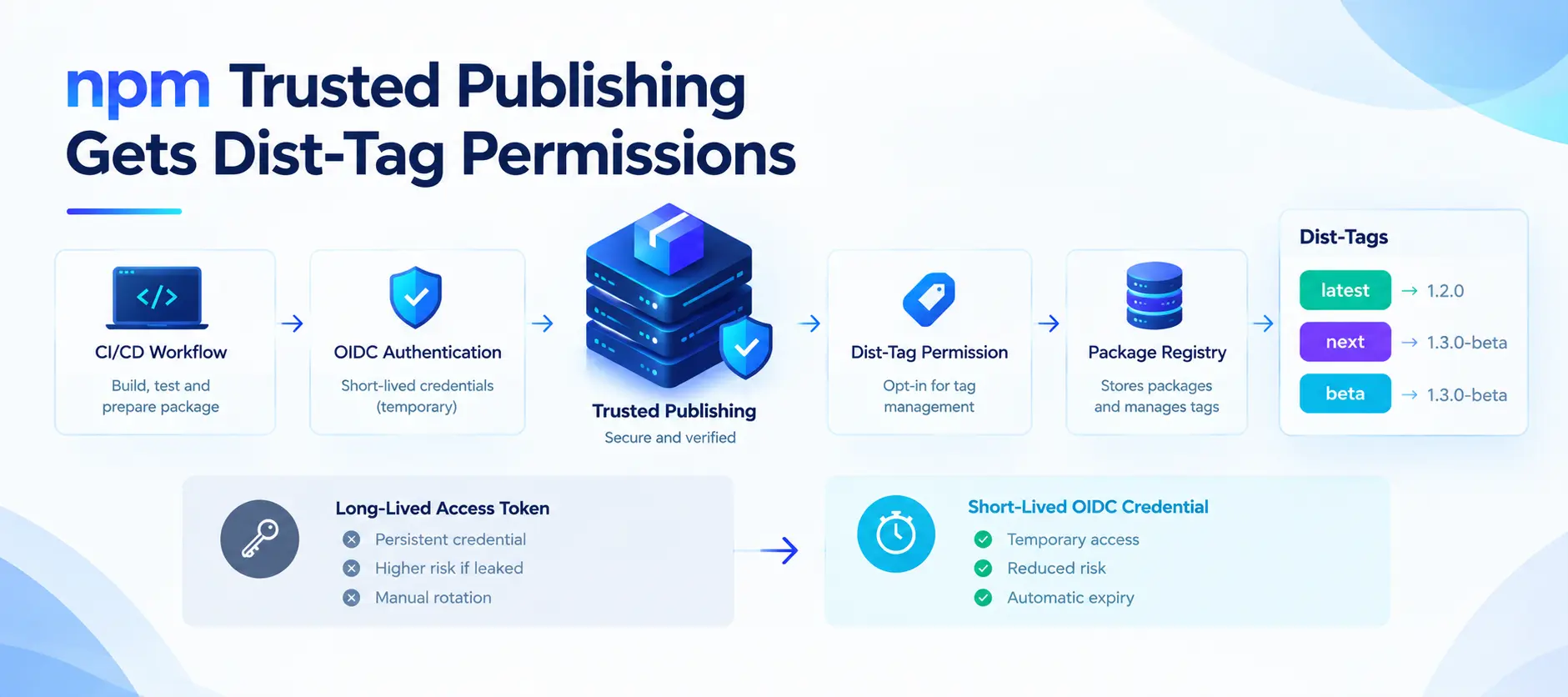
GitHub Adds Opt-In npm Dist-Tag Permissions to Trusted Publishing
GitHub has expanded npm trusted publishing with optional dist-tag permissions, allowing maintainers to manage tags such as latest, next, and beta using short-lived OIDC credentials instead of long-lived access tokens.
 Trending
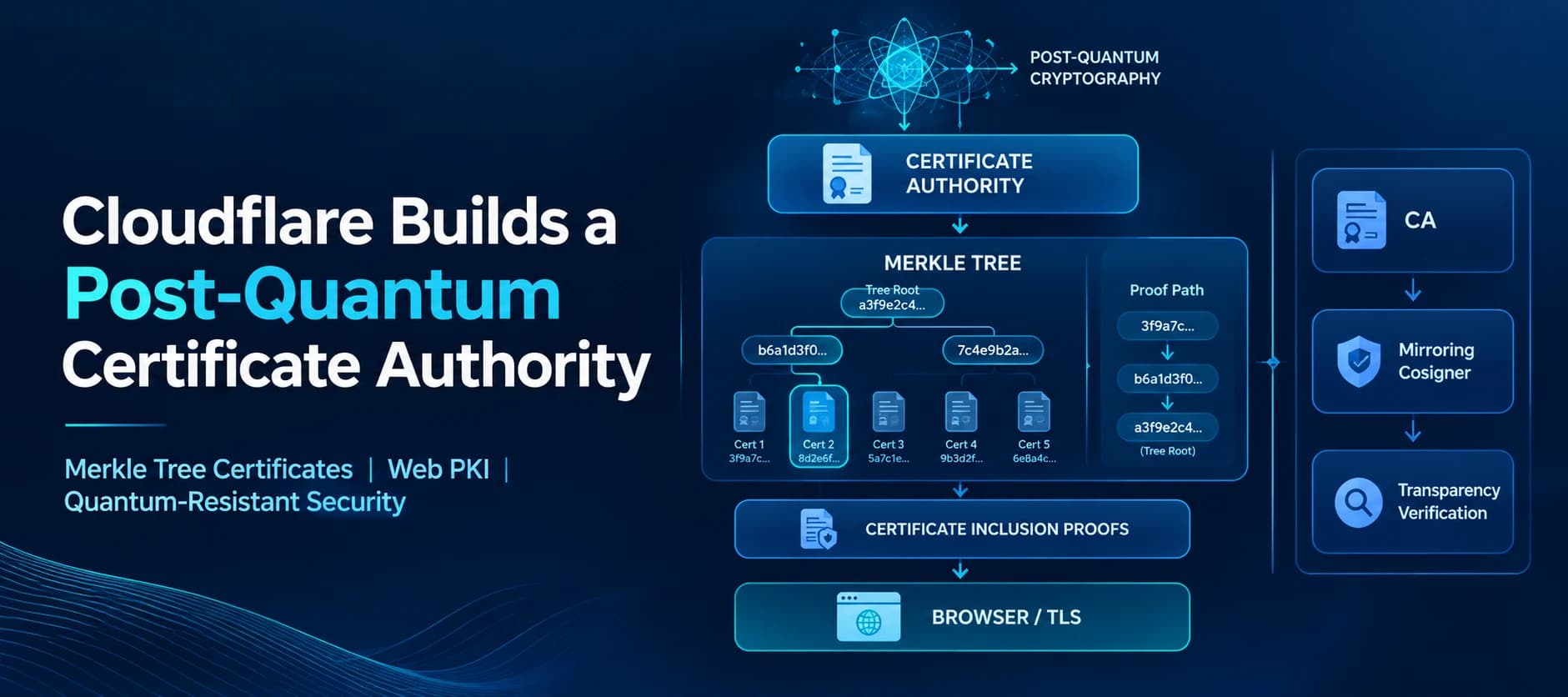
Cloudflare Builds Post-Quantum Certificate Authority With Merkle Tree Certificates
Cloudflare is building a certificate authority designed to support Merkle Tree Certificates, a post-quantum approach intended to reduce the size and scaling costs of Web PKI while making certificate transparency part of the issuance process.
 Trending
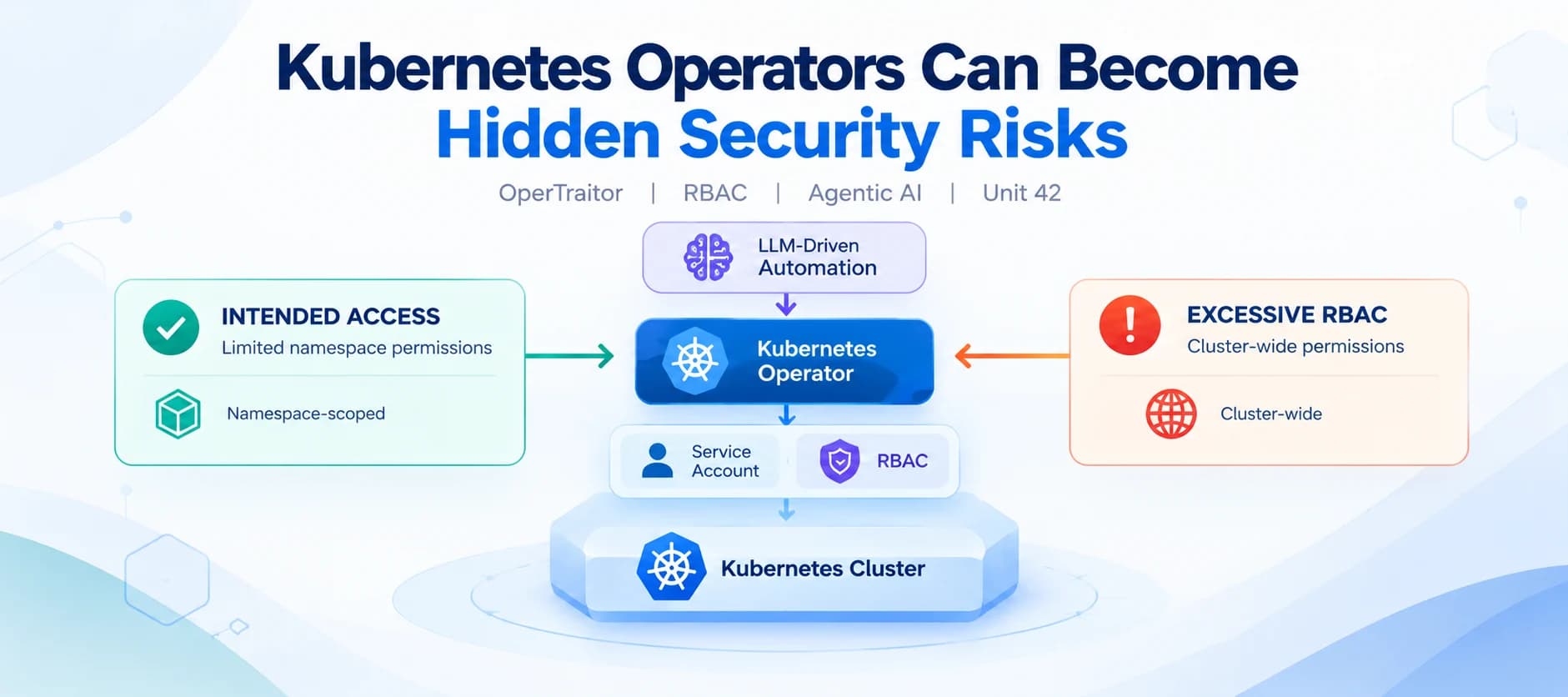
OperTraitors: How Kubernetes Operators Can Betray Your Security Posture
Palo Alto Networks Unit 42 has released OperTraitor, an open-source LLM-powered tool that analyzes Kubernetes operator permissions and identifies excessive RBAC privileges that could expand the impact of a compromise.
 Trending
GPT-6.1 Sol: OpenAI Brings Near-Astra Performance to a Lower-Cost Model
OpenAI introduces GPT-6.1 Sol, an upgraded model focused on coding, professional work, computer use and scientific research, with near-Astra performance at a lower API cost.
 Trending
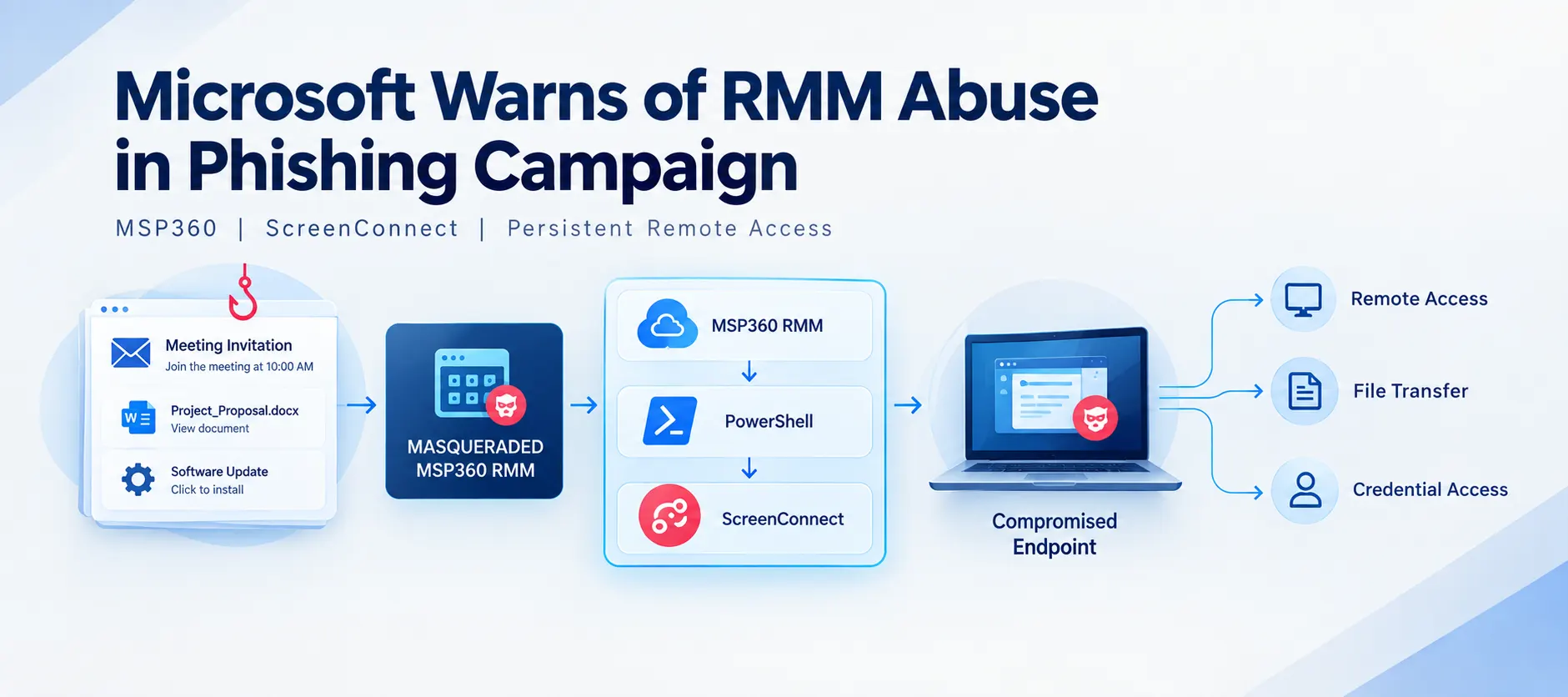
Microsoft Warns of Phishing Campaign Abusing RMM Tools for Persistent Access
Microsoft has identified phishing campaigns that abuse legitimate RMM software to establish remote access, deploy ScreenConnect, and support follow-on credential-access and information-collection activity.
 Trending
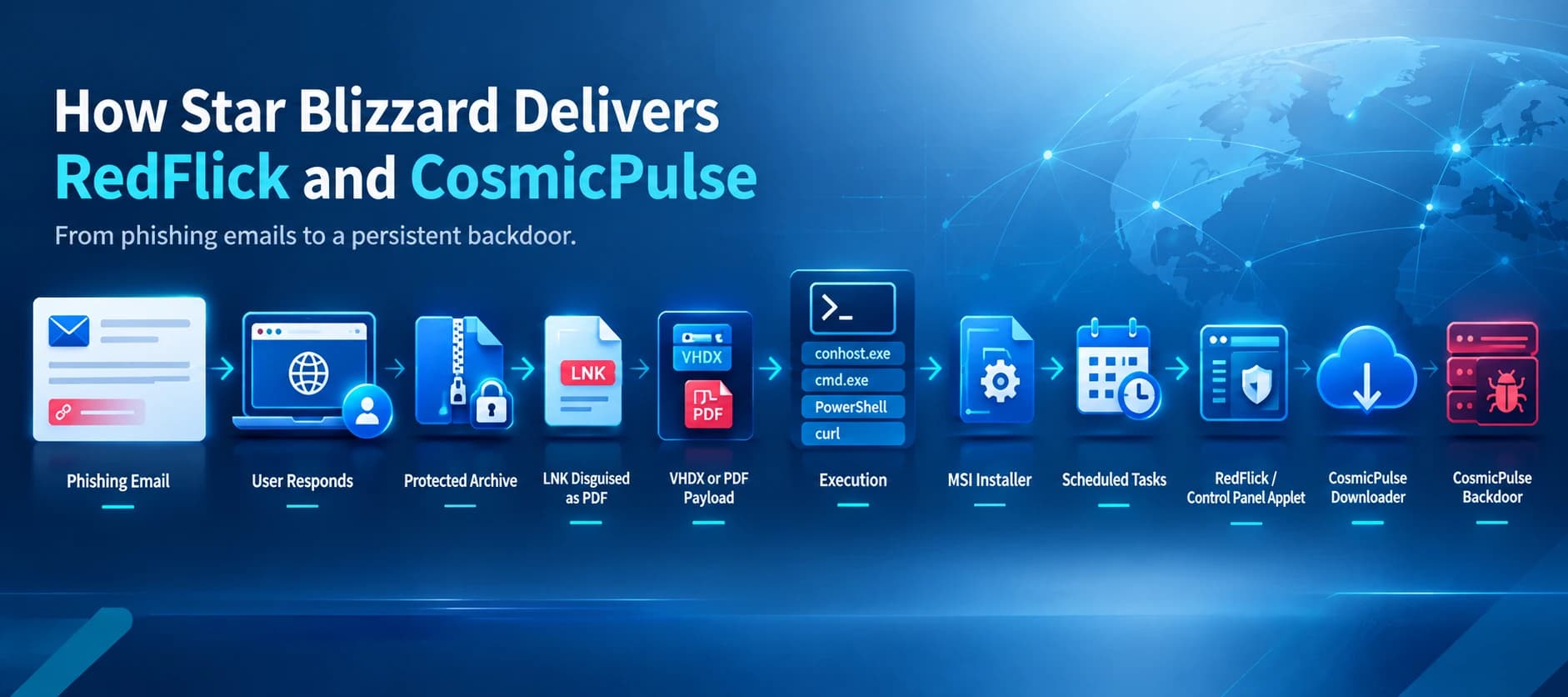
Star Blizzard Expands Phishing Operations With New RedFlick Malware Delivery Technique
Microsoft says Star Blizzard has expanded from targeted spear-phishing to larger campaigns in 2026, using compromised websites, VHDX files, scheduled tasks and PDF-based payload hiding to deploy the CosmicPulse backdoor.
 Trending
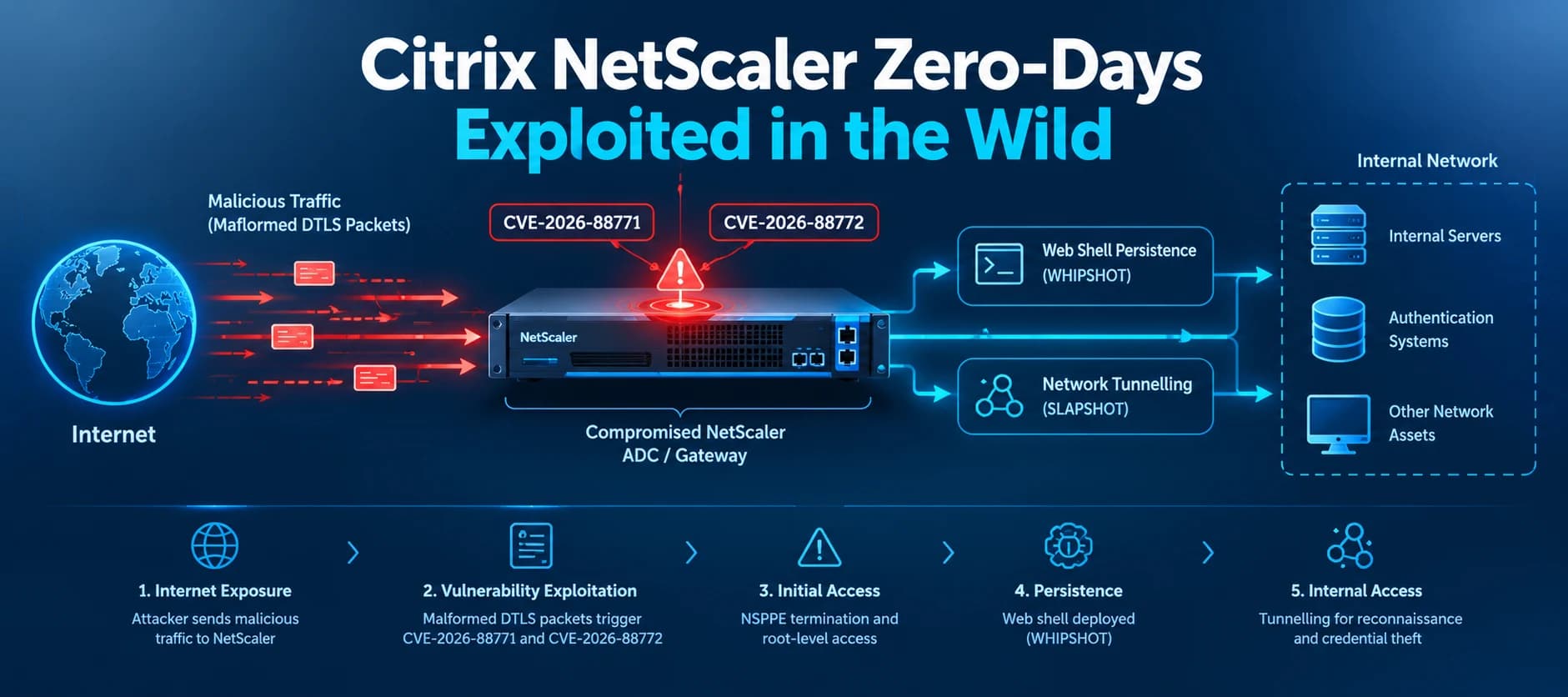
Google Details Active Citrix NetScaler Exploitation, Web Shells and Internal Network Tunnelling
Google Threat Intelligence Group and Mandiant detail active exploitation of two Citrix NetScaler zero-days, revealing web shells, root-level persistence and a Python tunneller used for internal reconnaissance and credential theft.
 Trending
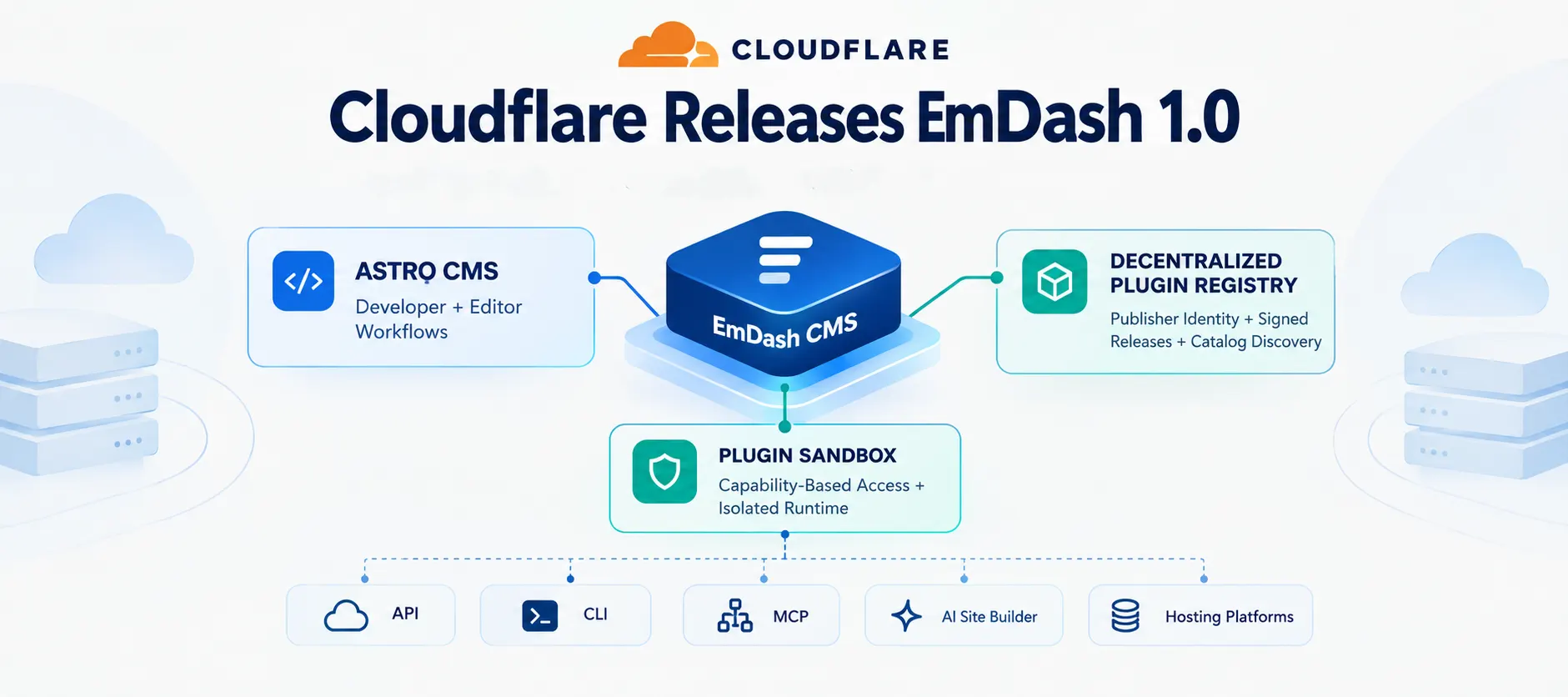
EmDash 1.0: Cloudflare Releases Stable CMS With Decentralized Plugin Registry
Cloudflare has released EmDash 1.0, a stable open-source CMS built on Astro, with a decentralized plugin registry, sandboxed plugins, agent support, and workflows designed for production websites and hosting platforms.
 Trending
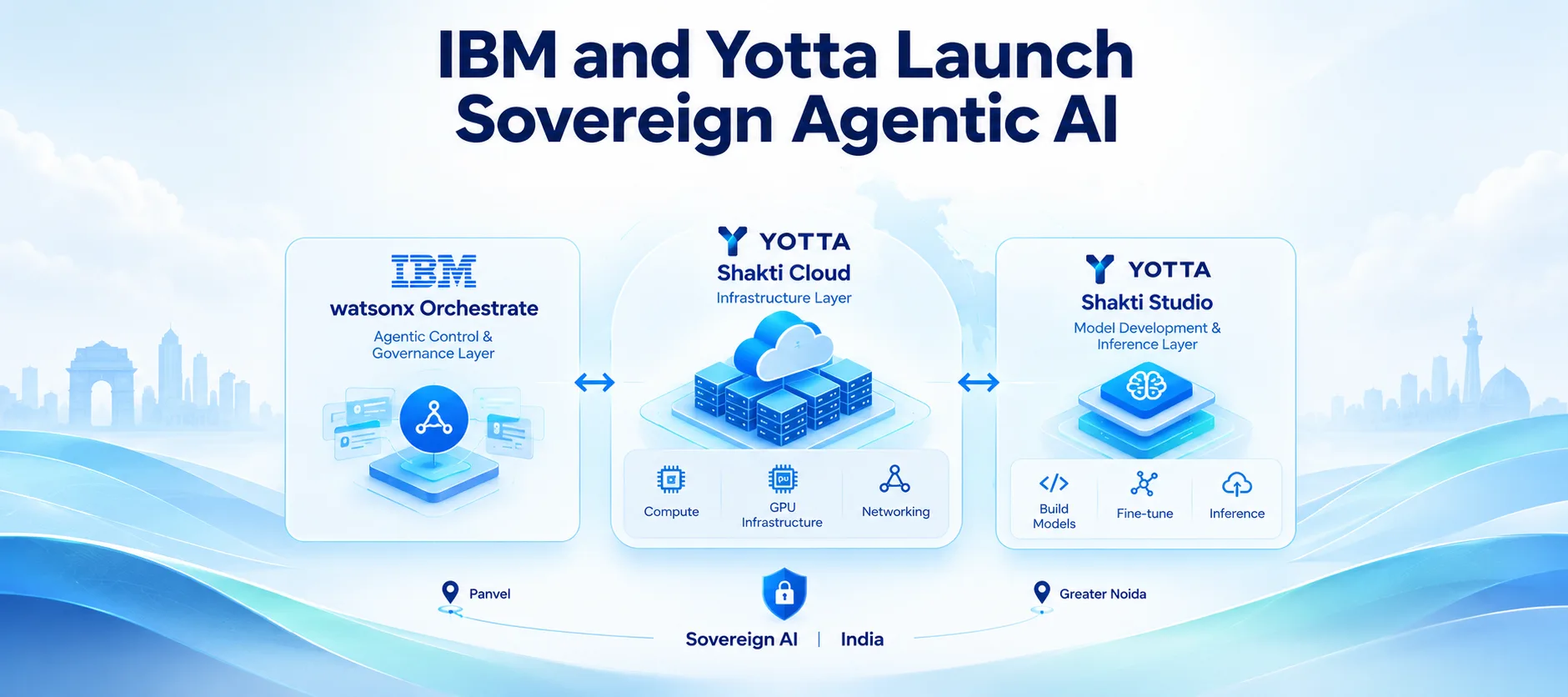
IBM and Yotta Launch Sovereign Agentic AI Platform for Indian Organisations
IBM and Yotta have announced general availability of a sovereign agentic AI platform for Indian organisations, combining watsonx Orchestrate with Yotta's Shakti Cloud and Shakti Studio to support AI agents while keeping data, operations and governance controls within India.