
Stay Ahead of the Tech Curve
Breaking cybersecurity threats, technology updates, and IT industry insights, curated by our editors.
- Stories published
- 530
- Trending now
- 5
- Breaking
- Live
OpenAI Proposes Perplexity as a Shared AI Intelligence Metric to Strengthen Industry Safety Standards
OpenAI Chief Scientist Jakub Pachocki proposes using AI perplexity as a shared measure of model progress, offering greater transparency into pretraining capabilities and a potential framework for industry-wide AI safety standards.
 Trending
NCSC Warns UK Critical Infrastructure Could Face AI-Powered Ransomware Attacks by 2028
The UK's NCSC warns that AI-powered malware is highly likely to feature in a ransomware attack against critical national infrastructure by 2028, urging organisations to address longstanding security weaknesses and invest in resilience.
 Trending
Google Warns of LLMJacking as Attackers Resell Compromised Cloud AI Access
Google warns that cybercriminals are hijacking enterprise AI resources, exploiting cloud credentials and model gateways, and reselling unauthorized LLM access through underground services.
 Trending
Binance Begins Phased Withdrawal Restoration After Security Incident, Reports 95% Asset Replenishment
Binance is preparing to restore cryptocurrency withdrawals in phases after a security incident. The exchange reports 95% asset replenishment, completed security reviews and continued efforts to recover affected funds.
 Trending
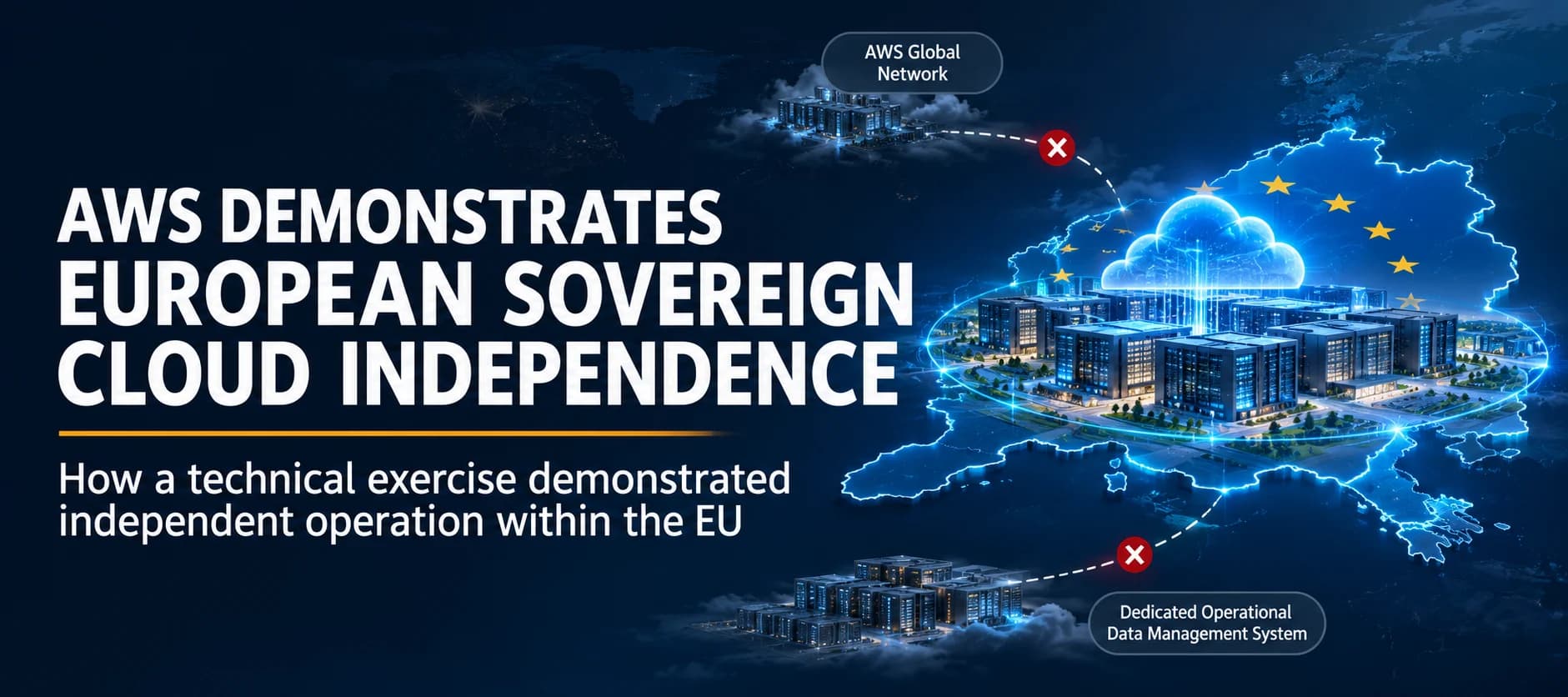
AWS Demonstrates European Sovereign Cloud Can Operate Independently Within the EU
AWS says its European Sovereign Cloud continued running during an exercise that switched off two global systems, demonstrating that its workloads and customer data remained accessible without relying on infrastructure outside the EU.
 Trending
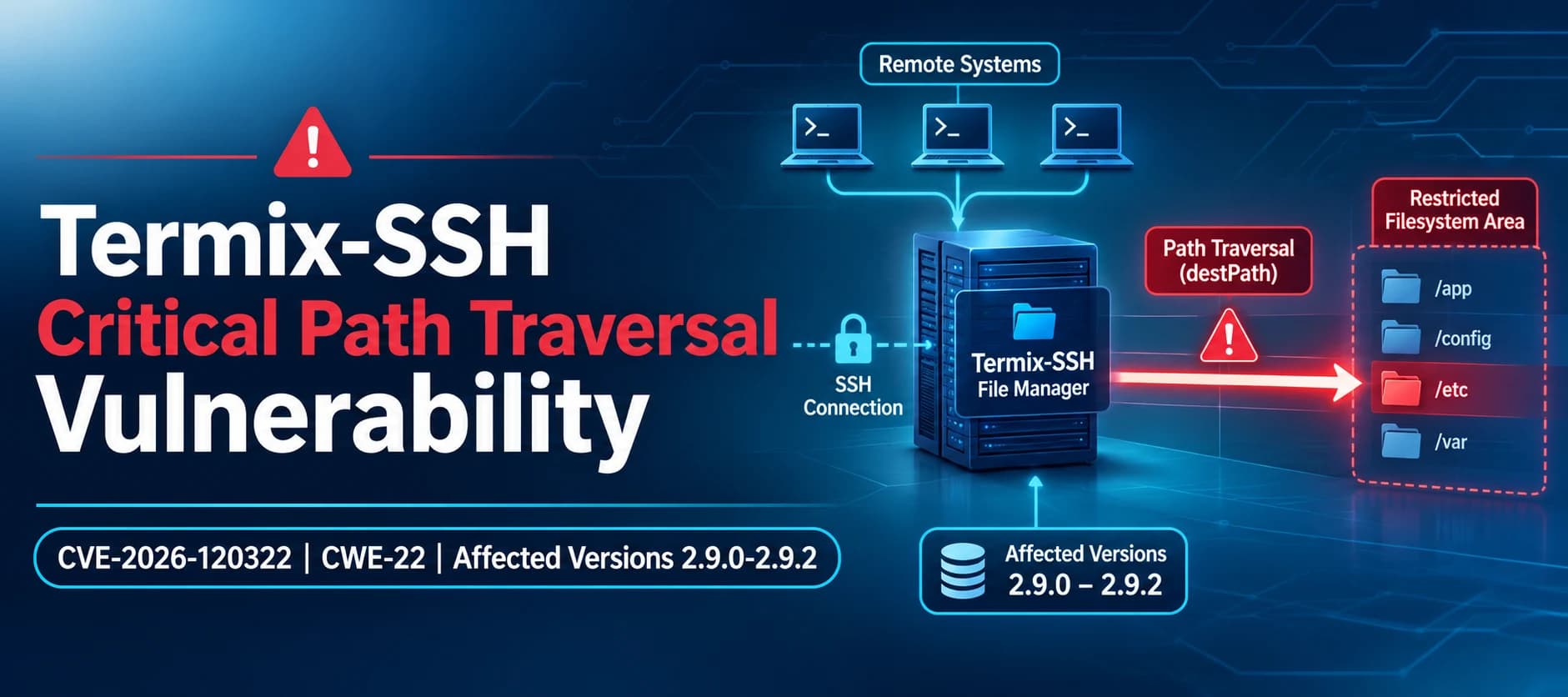
Termix-SSH Vulnerability Exposes File Manager to Critical Path Traversal Risk
A critical path traversal vulnerability in Termix-SSH affects versions up to 2.9.2. Research details show how improper destination-path handling could enable arbitrary file writes on the Termix server.
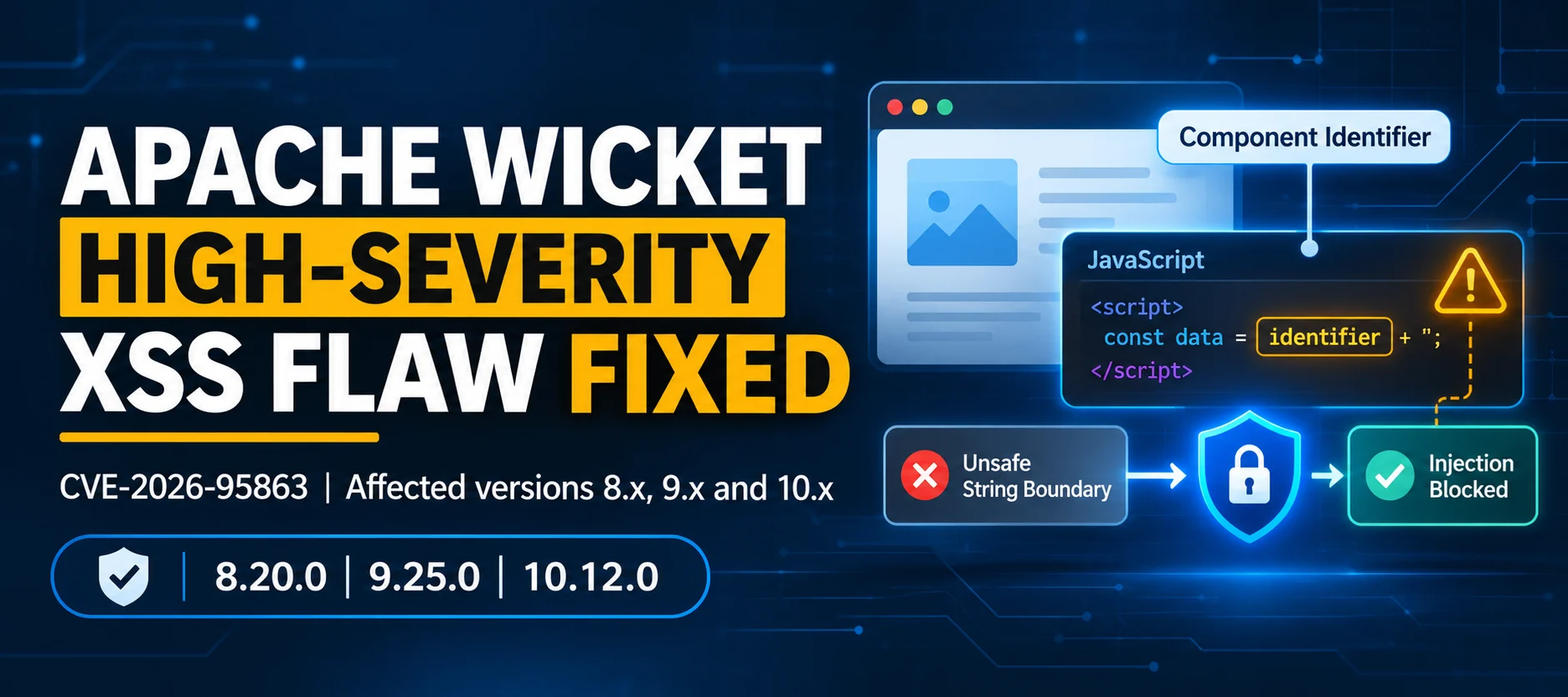
Apache Wicket Fixes High-Severity XSS Vulnerability Affecting Versions 8, 9 and 10
Apache Wicket has fixed CVE-2026-95863, a high-severity XSS vulnerability that allows malicious JavaScript injection through unescaped component IDs and markup IDs. Users should upgrade to the patched releases.
 Trending
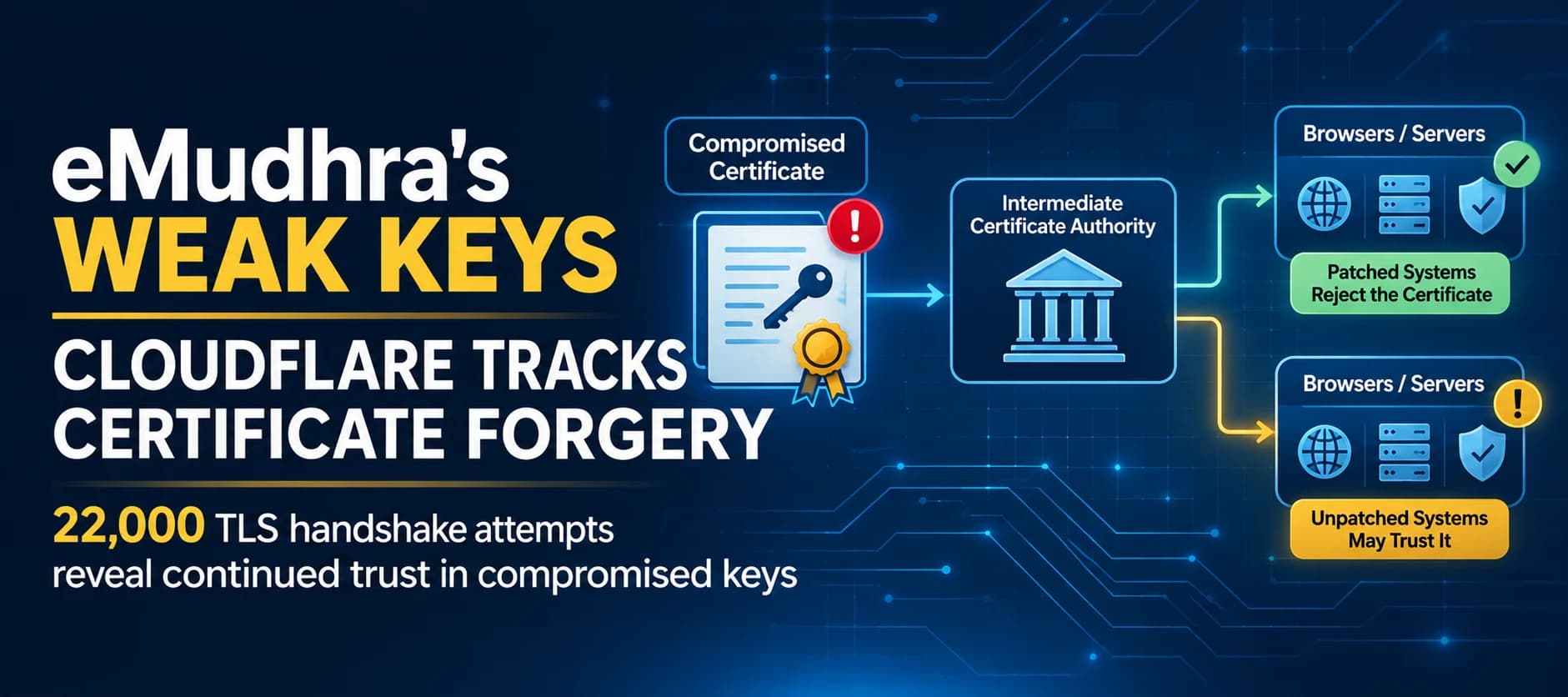
Cloudflare Finds Evidence of eMudhra Certificate Forgery as Unpatched Clients Remain Exposed
Cloudflare reports around 22,000 attempted TLS handshakes involving eMudhra's weak certificate keys, including evidence of forged certificates. Its monitoring also finds continued exposure among older browsers, bots and embedded clients.
 Trending
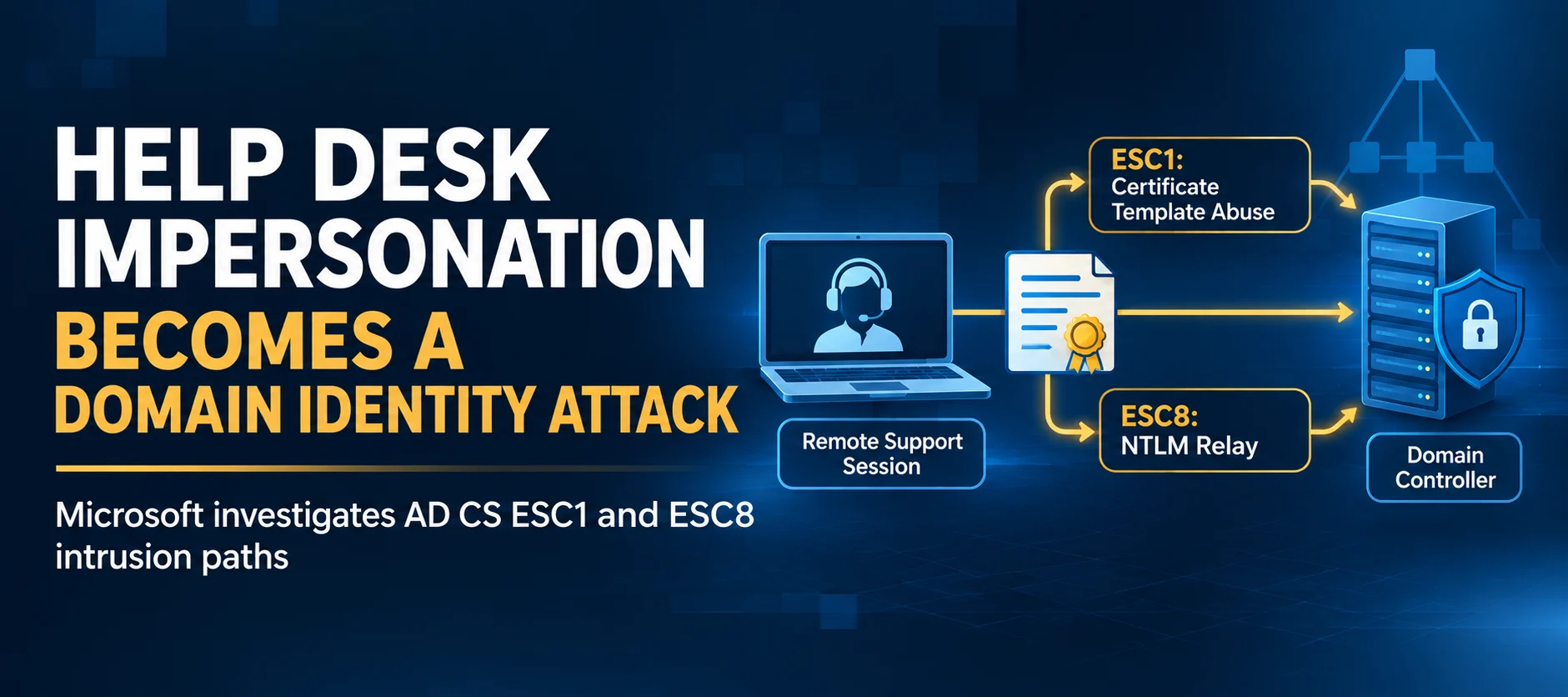
Microsoft Details Help Desk Impersonation Attacks Exploiting AD CS ESC1 and ESC8
Microsoft investigates two intrusions that began with Teams help desk impersonation and Quick Assist access, revealing how attackers exploited AD CS ESC1 and ESC8 to obtain privileged certificates and access enterprise systems.
 Trending
Cisco Warns of High-Severity Node.js Vulnerabilities Affecting Multiple Products
Cisco is investigating multiple products affected by four high-severity Node.js vulnerabilities involving potential remote code execution, DNS resolution errors and TLS hostname validation bypasses.
 Trending
Malicious Claude Code Cursor Extension Plants Persistent SSH Backdoor Across Windows, macOS and Linux
Microsoft uncovers a malicious Claude Code-branded Cursor extension that attempts to install SSH backdoors, establish reverse tunnels and maintain persistence across Windows, macOS and Linux systems.
 Trending
Google Reports Real-World Use of ARTEX and Other Agentic AI Attack Frameworks
Google Threat Intelligence Group and Mandiant report that threat actors are using agentic frameworks such as ARTEX, PentAGI and CAIRN to automate intrusion activity, accelerating reconnaissance, privilege escalation and other attack operations.
 Trending
Cloudflare Makes Private Origins Generally Available, Bringing Enterprise Security to Private Infrastructure
Cloudflare has made Private Origins generally available, allowing organisations to route public traffic to private origin servers while retaining WAF, bot management, caching and other application security controls without exposing origin IPs.