
OpenAI Partners with Hacktron to Find Security Vulnerabilities Across Its Systems Using AI
OpenAI has partnered with cybersecurity company Hacktron to identify vulnerabilities across its systems, combining human security expertise with AI-powered code review, penetration testing and red teaming.
Xcademia Team

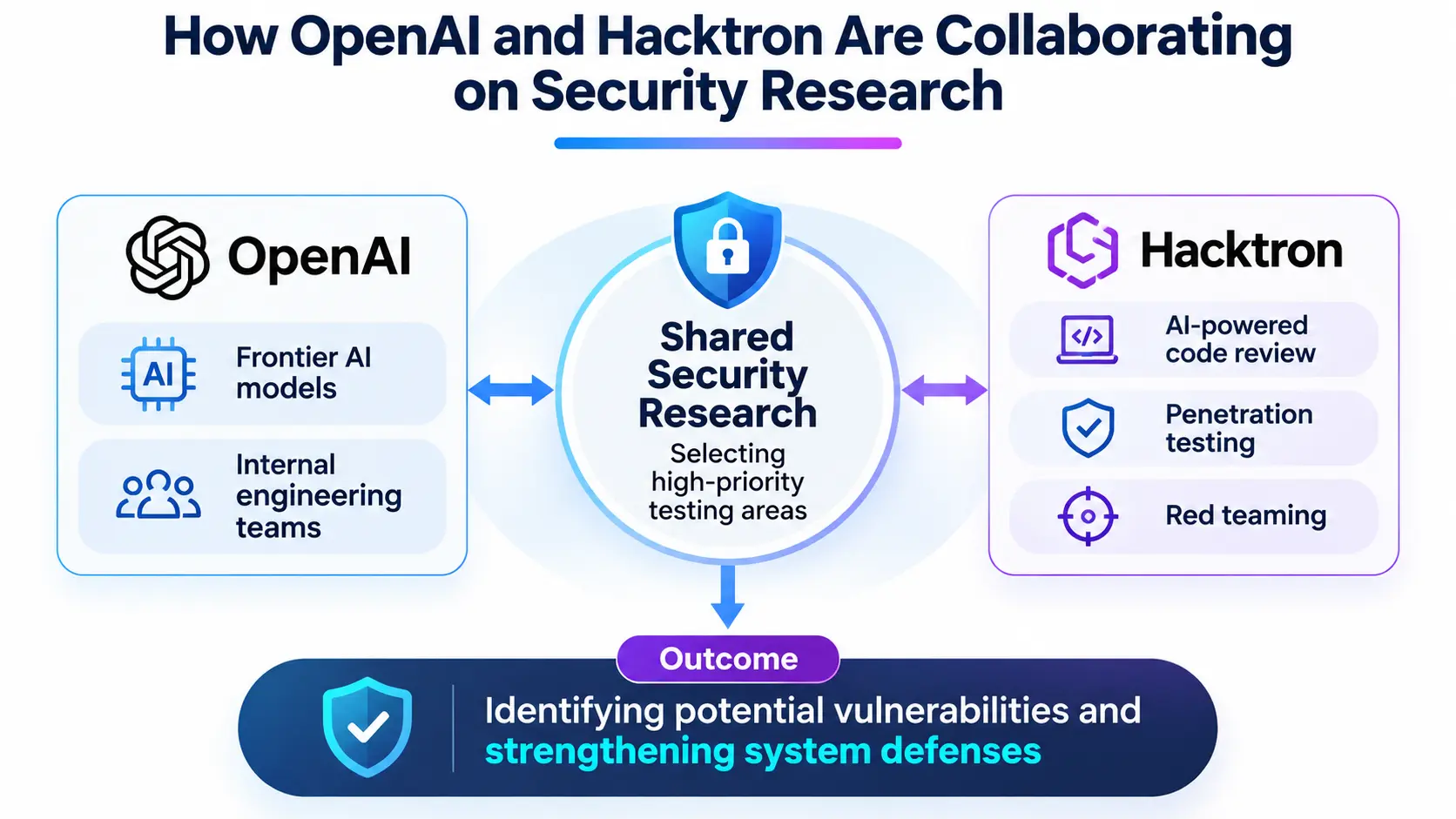
OpenAI has announced a new cybersecurity partnership with Hacktron, bringing together security researchers and advanced AI capabilities to identify vulnerabilities across its systems. The collaboration will focus on testing high-priority areas, particularly how OpenAI's systems interact with third-party services.
Announced on November 6, 2026, the partnership reflects OpenAI's growing focus on strengthening its internal security practices as AI agents become increasingly connected to applications, infrastructure and external services.
As part of the initiative, OpenAI is also expanding Hacktron's access to its frontier models through Daybreak Red, providing additional AI capabilities to support security research.
Why OpenAI Is Partnering with Hacktron
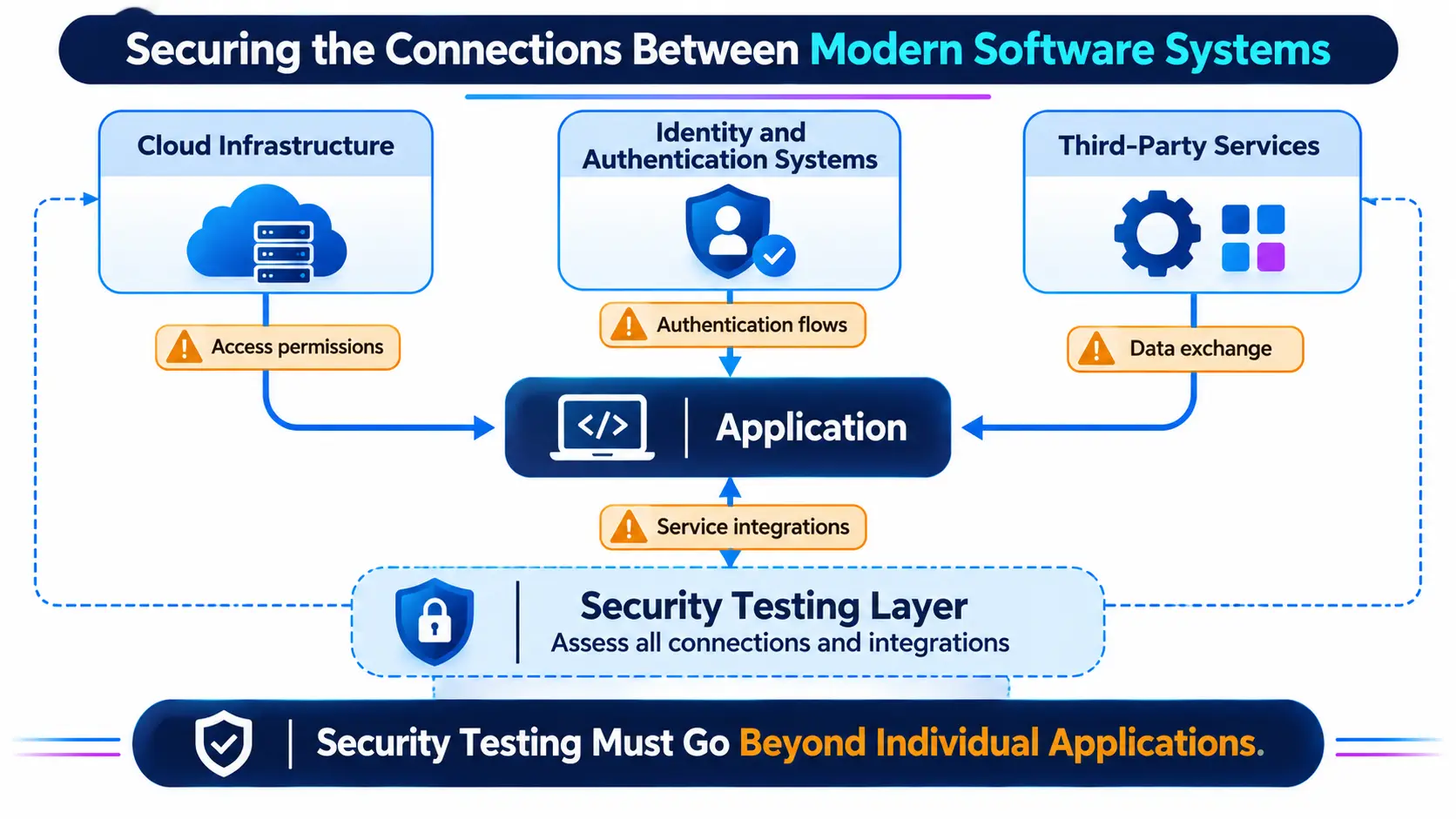
Modern software environments involve multiple interconnected components, including applications, cloud infrastructure, identity systems and third-party services. Security weaknesses can emerge when these components interact.
OpenAI identified Hacktron through its Security Bug Bounty program. The company said it was impressed by the vulnerabilities Hacktron's researchers had previously discovered and responsibly disclosed.
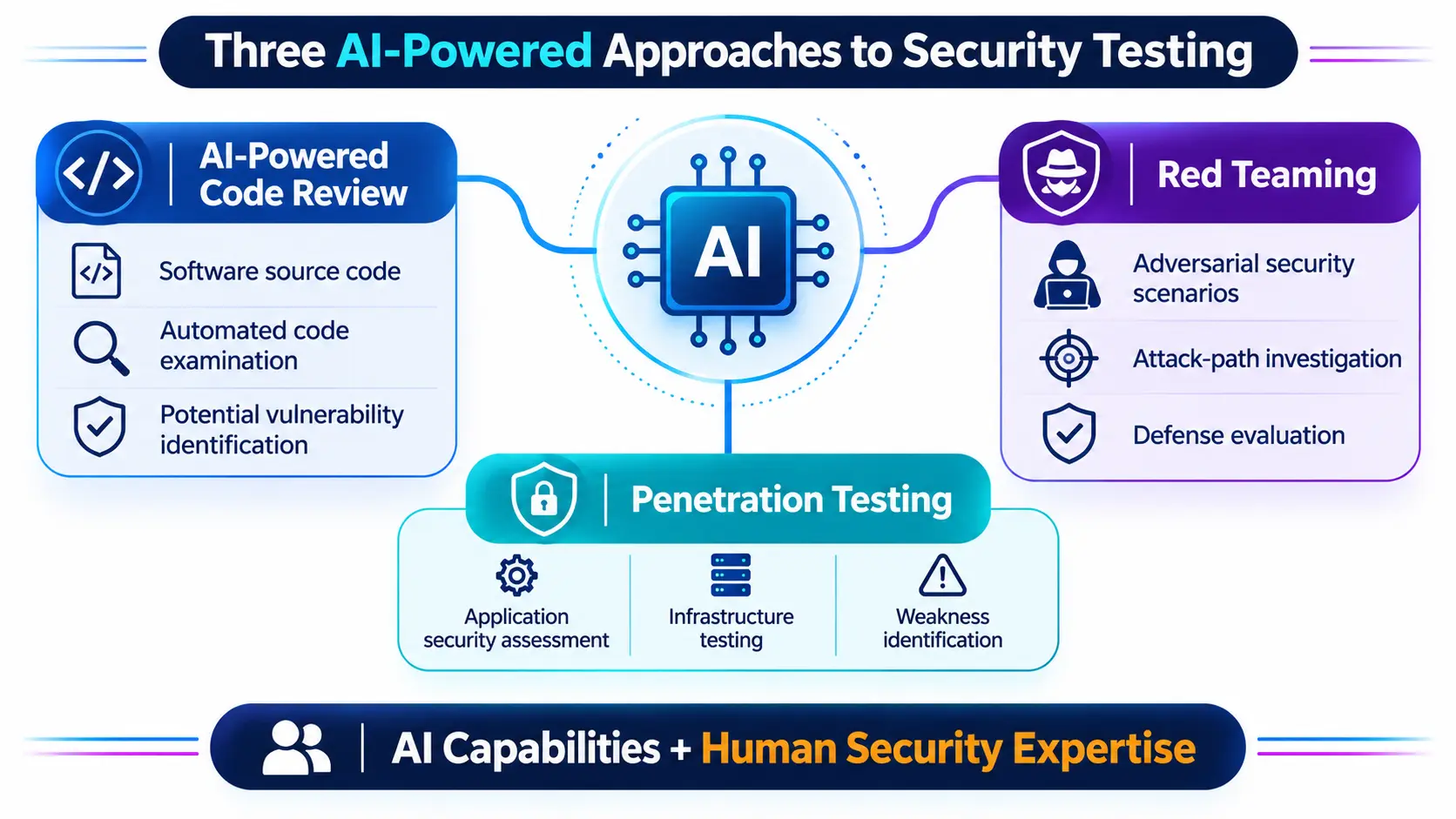
Hacktron develops AI agents designed for three major cybersecurity activities:
AI-powered code review: Examining software code to identify potential security weaknesses.
Penetration testing: Testing applications and infrastructure to uncover vulnerabilities.
Red teaming: Simulating adversarial approaches to evaluate security weaknesses.
Hacktron's previous research has uncovered vulnerabilities involving interactions between applications, cloud infrastructure and identity systems.
Through this partnership, engineers from both organisations will select high-priority areas for collaborative security testing.
How AI Is Supporting OpenAI's Security Research
One of the central elements of this partnership is the combination of human security expertise and AI-driven capabilities.
Security researchers bring experience in identifying attack paths, understanding application behaviour and investigating complex vulnerabilities. AI agents can support this work by assisting with code analysis, security testing and identifying potential weaknesses.
OpenAI believes this combination can help researchers investigate more complex security problems and move faster.
The collaboration will also focus on the connections between interconnected services. As AI agents interact with more applications and systems, understanding how these integrations behave becomes an important part of security testing.
The broader objective is to strengthen security by examining not only individual systems but also the relationships between them.
Why Third-Party Service Integrations Matter
Third-party integrations are an important consideration for modern software security.
Applications frequently depend on external services, cloud infrastructure and identity systems. These connections create additional areas that security teams need to examine.
A vulnerability may not exist within an individual component but could emerge from the way multiple components communicate or exchange information.
OpenAI and Hacktron will specifically prioritise investigating these interactions.
For enterprises, this highlights the importance of evaluating integration security alongside traditional application security reviews.
Organisations should consider examining access permissions, authentication flows, application dependencies and the security of connected services as part of their broader security assessments.
OpenAI's Wider Investment in Cybersecurity
The Hacktron partnership is part of a broader series of security initiatives announced by OpenAI.
Earlier in the same week, OpenAI announced that researchers from Cathedral would work alongside its teams during an upcoming security sprint.
The company also increased its bug bounty rewards to encourage independent security researchers to discover and report vulnerabilities that internal testing might miss.
These initiatives demonstrate an approach that combines internal security teams, external research organisations and independent vulnerability disclosures.
OpenAI is also making its frontier models available to security researchers through its Daybreak Red initiative. The Hacktron partnership expands this access to support collaborative security research.
What the Partnership Means for the Cybersecurity Industry
The collaboration highlights a broader industry shift toward combining artificial intelligence with established cybersecurity practices.
AI-powered security tools are increasingly becoming part of discussions around code analysis, vulnerability discovery, penetration testing and security research.
However, AI capabilities do not eliminate the need for experienced security professionals. Human expertise remains important when evaluating findings, understanding application context and determining appropriate remediation.
For organisations developing AI-powered applications, the announcement reinforces several important considerations:
Security testing should include interactions between connected services.
AI-assisted code review can complement established security processes.
Penetration testing and red teaming remain important for identifying weaknesses.
External security researchers can provide additional perspectives beyond internal testing.
Responsible vulnerability disclosure can support continuous security improvement.
These are broader industry implications rather than additional capabilities or commitments announced by OpenAI.
Conclusion
OpenAI's partnership with Hacktron represents another step in its efforts to strengthen the security of its own systems through collaborative research and AI-assisted vulnerability discovery.
By combining Hacktron's expertise in code review, penetration testing and red teaming with expanded access to OpenAI's frontier models, the organisations aim to investigate high-priority security areas, particularly interactions with third-party services.
The development also highlights an important direction for cybersecurity: combining human research expertise with AI capabilities to identify weaknesses across increasingly interconnected software environments.
As AI agents become more integrated into digital infrastructure, securing the connections between systems will remain an important consideration for security teams and technology organisations.
Source: OpenAI
About the Author