
Stay Ahead of the Tech Curve
Breaking cybersecurity threats, technology updates, and IT industry insights, curated by our editors.
- Stories published
- 530
- Trending now
- 5
- Breaking
- Live
OpenAI Proposes Perplexity as a Shared AI Intelligence Metric to Strengthen Industry Safety Standards
OpenAI Chief Scientist Jakub Pachocki proposes using AI perplexity as a shared measure of model progress, offering greater transparency into pretraining capabilities and a potential framework for industry-wide AI safety standards.
 Trending
AWS Adds DNS-Based IP Validation to Network Firewall
AWS introduces Route 53 Resolved IP Validation for Network Firewall, enabling domain-based filtering for non-web traffic and helping prevent SNI spoofing without requiring TLS inspection.
 Trending
Google Chrome 156 Update Addresses 52 Security Issues, Including Critical Flaws
Google has released Chrome 156 for Windows, Mac and Linux with 52 security fixes, including critical memory corruption and input validation issues. Users and IT teams should prioritise updating to the latest available stable version.
 Trending
Google Cloud Introduces IAM Helper to Secure AI Agent Access
Google Cloud introduces IAM Helper Agent Skills and MCP tools to streamline identity management, troubleshoot permissions, simulate policy changes and support human-approved access controls for AI-driven workflows.
 Trending
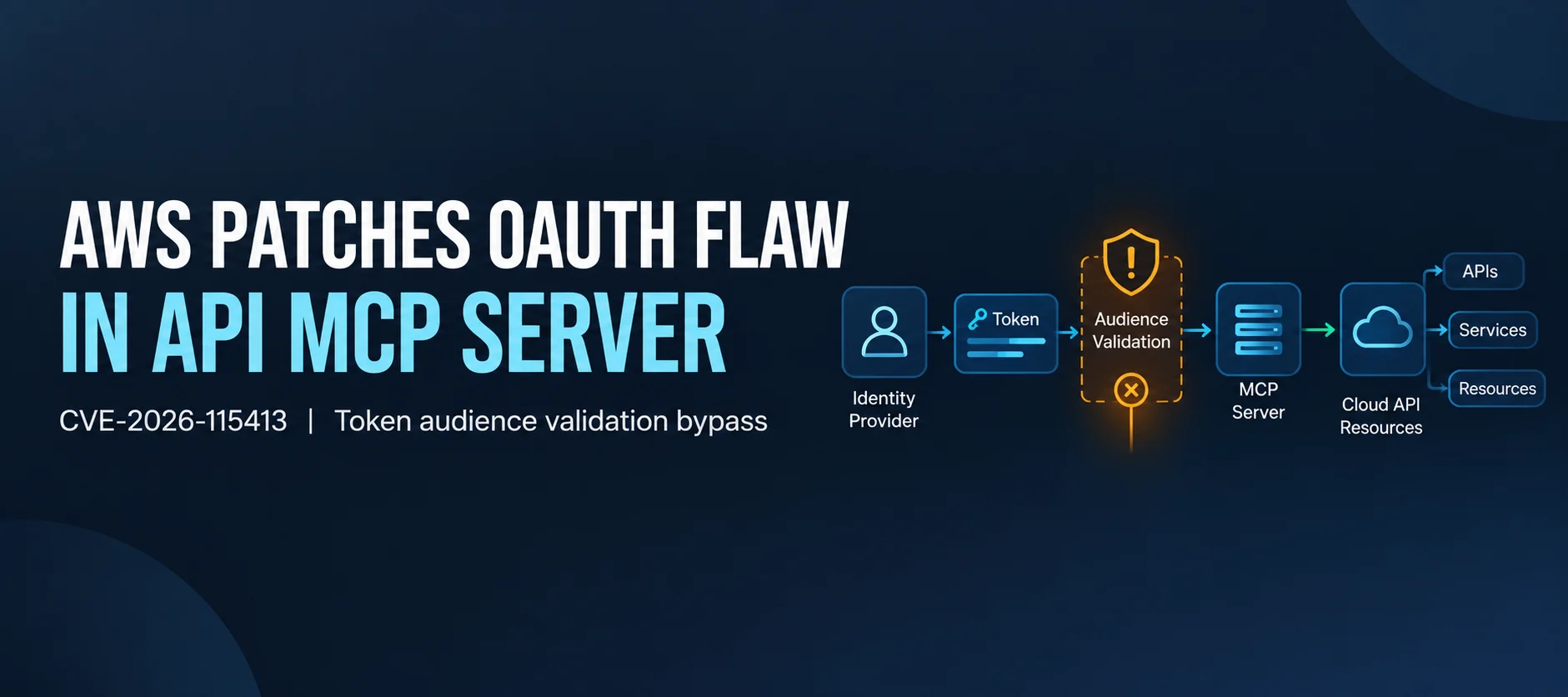
AWS Fixes OAuth Token Validation Bypass in API MCP Server
AWS has patched CVE-2026-115413, an OAuth token audience validation bypass affecting AWS API MCP Server versions 1.3.0 to before 1.6.0. The flaw could allow a token issued to another application in the same tenant to authorize AWS API calls.
 Trending
CERT-In Flags Critical Brotli Decoder Flaw Affecting Node.js, Bun, .NET and More
CERT-In has issued a critical warning about CVE-2026-111497, an out-of-bounds write vulnerability in Google's Brotli decoder. The flaw affects multiple software ecosystems, including Node.js, Bun, .NET, Envoy, Python packages and PHP Windows builds.
 Trending
OpenAI Introduces GPT-6.1 Terra With Lower API Prices and Improved Computer Use
OpenAI has introduced GPT-6.1 Terra, a model designed for visual reasoning, computer use and coding. The company reports lower factual error rates, faster task completion and standard API prices 50% below GPT-5.6 Terra and GPT-6.1 Sol.
 Trending
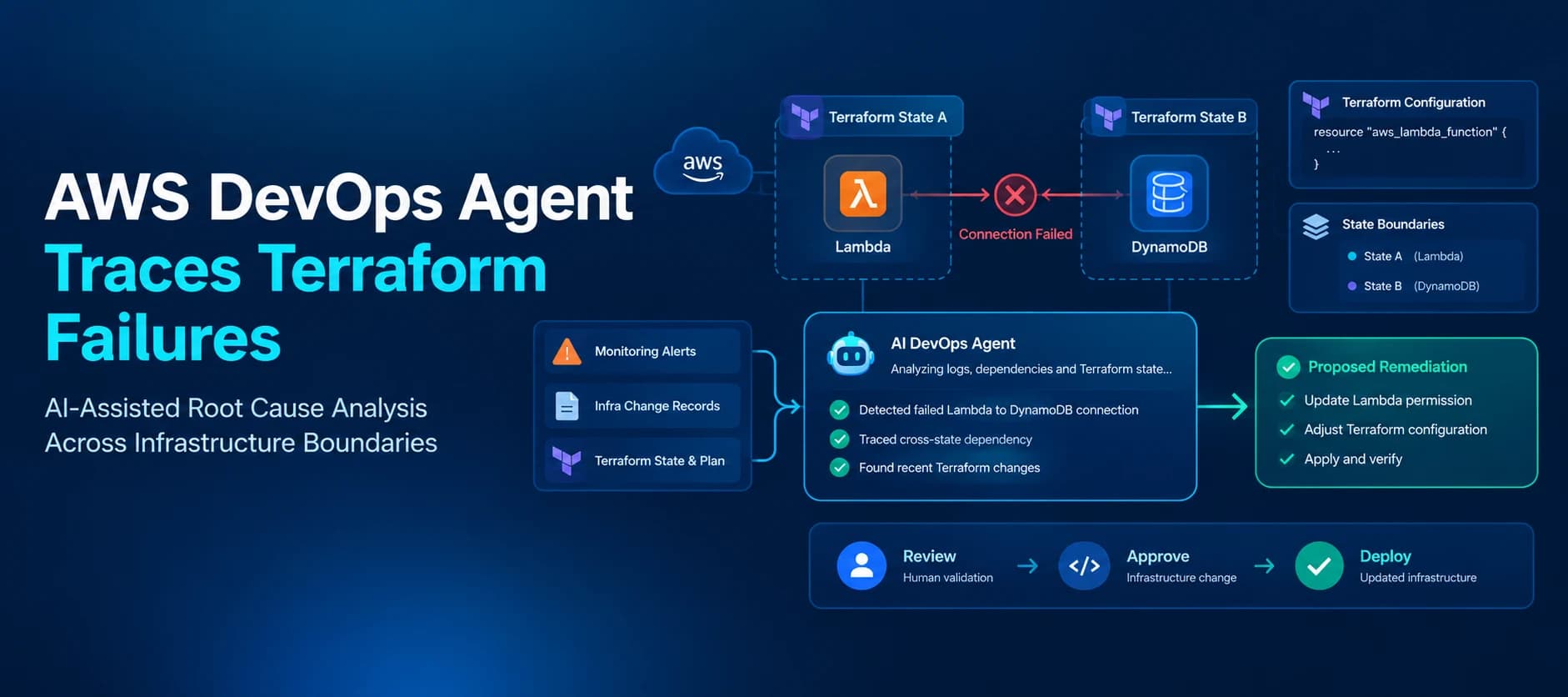
AWS DevOps Agent Traces Cross-Stack Terraform Failures and Guides Remediation
AWS DevOps Agent helps engineers trace infrastructure failures across independent Terraform states by correlating alarms, mapping AWS resource dependencies and examining CloudTrail events. Paired with Kiro, it can guide a reviewed fix while keeping engineers in control.
 Trending
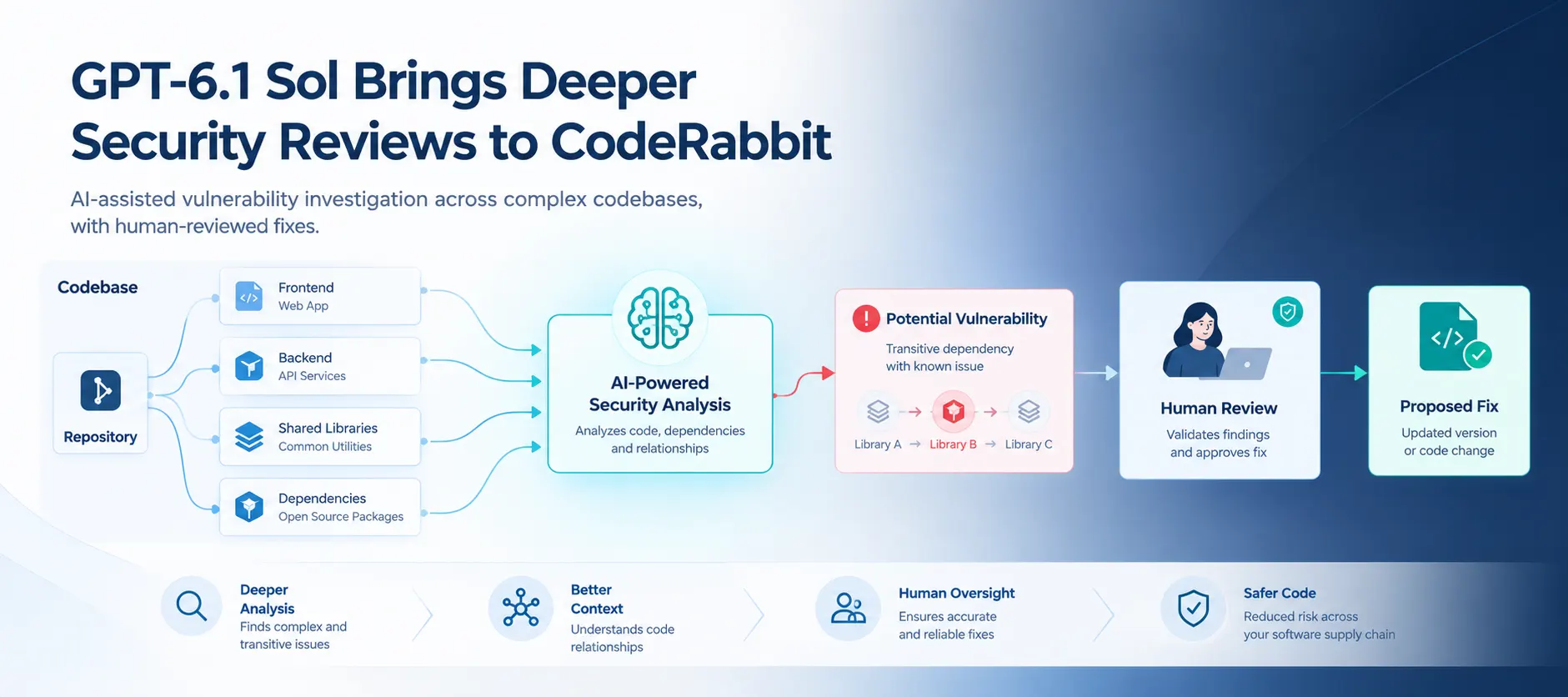
OpenAI GPT-6.1 Sol Powers CodeRabbit's Security Reviews Across Complex Codebases
OpenAI says GPT-6.1 Sol is helping CodeRabbit investigate software vulnerabilities across interconnected repositories, verify selected findings in isolated environments and prepare proposed fixes for human review.
 Trending
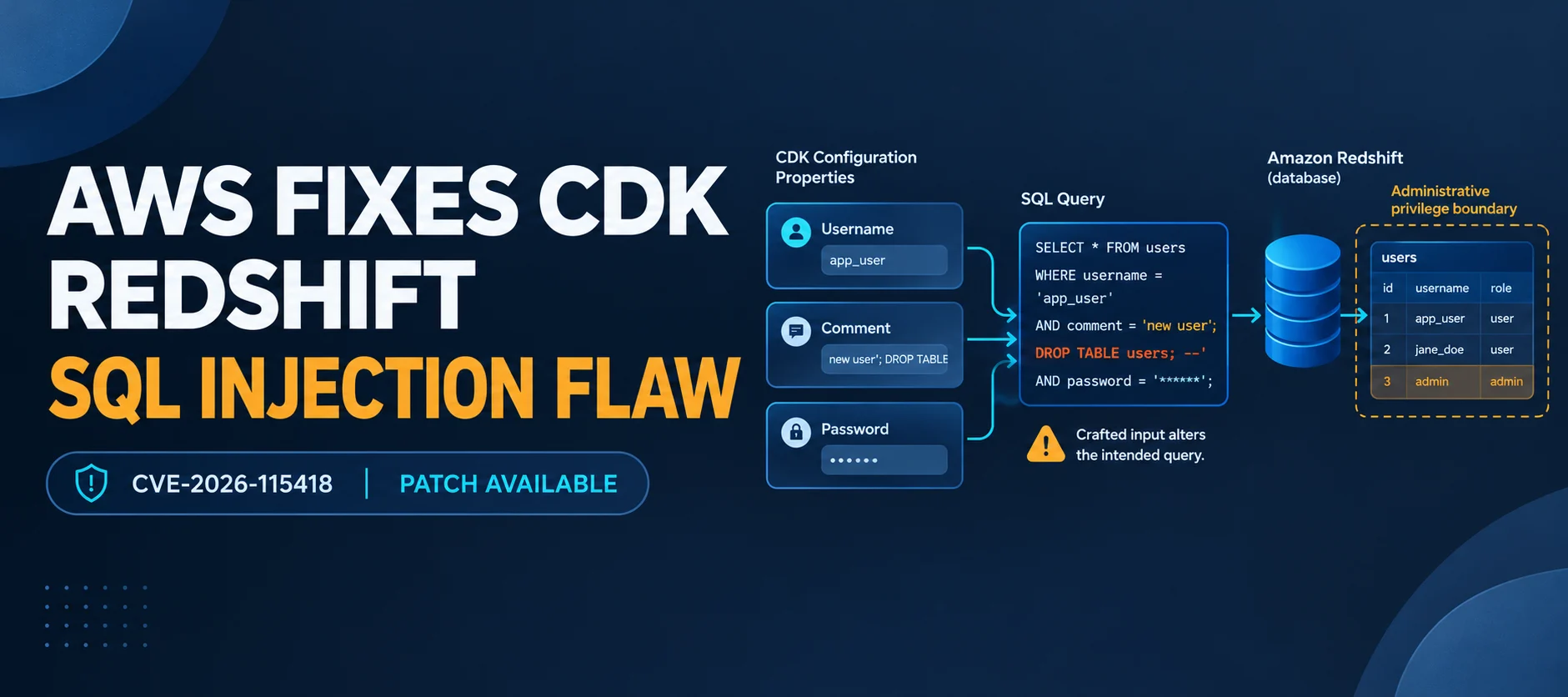
AWS Fixes SQL Injection Flaw in CDK Redshift Module
AWS has addressed CVE-2026-115418, a SQL injection vulnerability in the AWS CDK Redshift Alpha module that could allow crafted construct values to alter SQL executed with Amazon Redshift superuser privileges. Users should upgrade and review existing table grants to PUBLIC.
 Trending
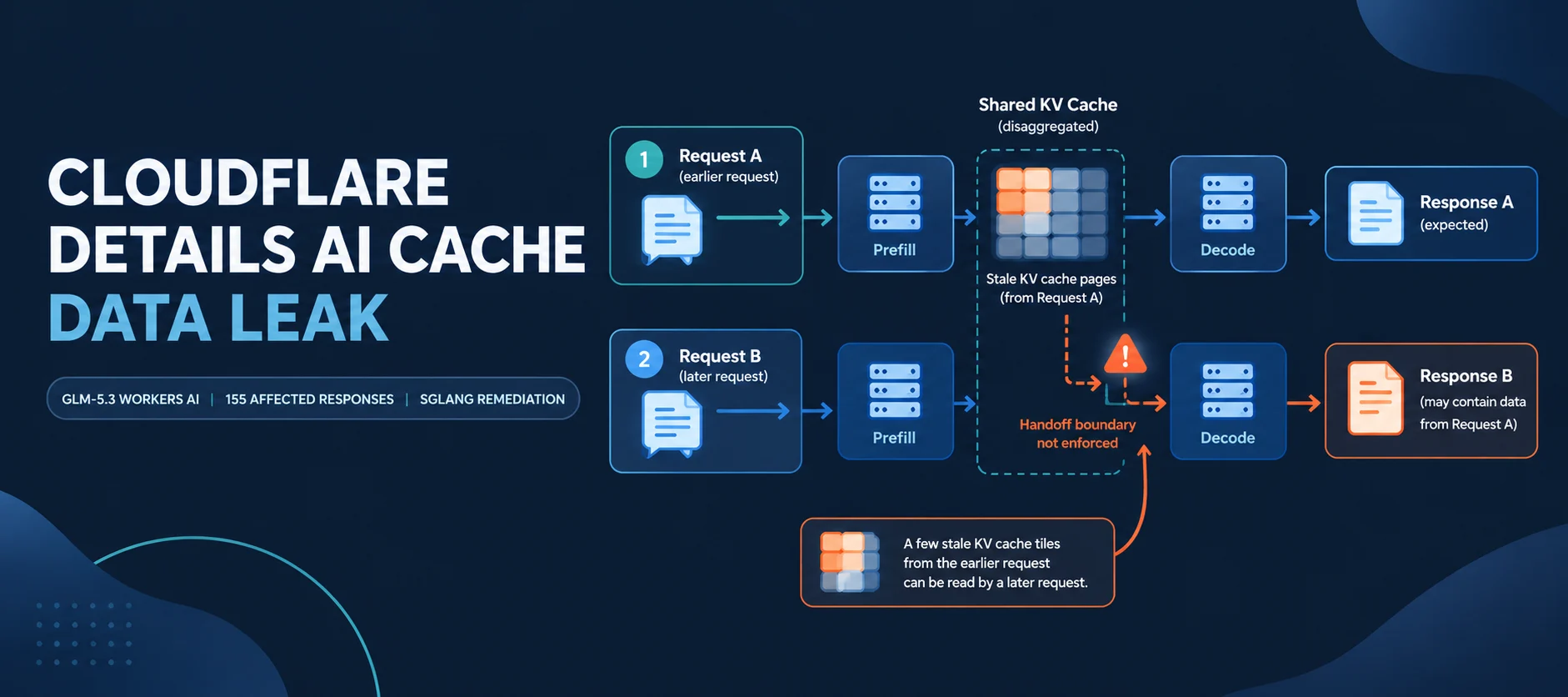
Cloudflare Reveals GLM-5.3 Data Leak Affecting 155 AI Responses
Cloudflare disclosed a cross-customer data exposure in its GLM-5.3 Workers AI model. A configuration mismatch and an SGLang inference-engine bug affected 155 responses. The company recommends SGLang operators upgrade to v0.5.22 or later.
 Trending
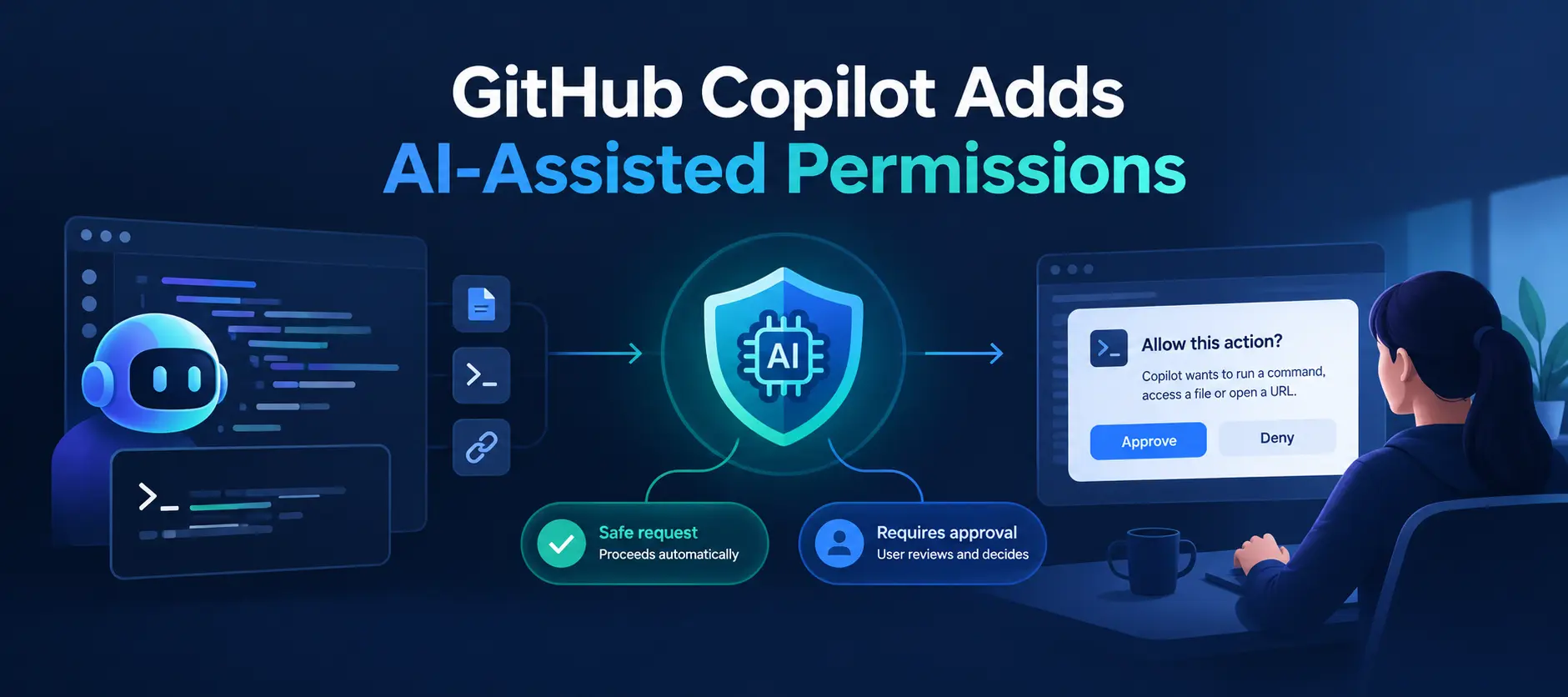
GitHub Copilot Assisted Permissions Now Generally Available: How AI Helps Control Agent Actions
GitHub has made Copilot assisted permissions generally available across its CLI, app, and Visual Studio Code. An AI model evaluates requests to run commands, access files, or open URLs, allowing clearly safe requests to proceed while others require approval.
 Trending
Gheist Campaign Exploits Stolen GitHub Tokens to Target Repository Secrets
Wiz Research uncovered Gheist, a campaign abusing stolen GitHub tokens to steal repository secrets through malicious workflows. Researchers found over 13,500 malicious branches across 850+ compromised accounts, with GitHub protections disrupting attacks in public repositories.