
Stay Ahead of the Tech Curve
Breaking cybersecurity threats, technology updates, and IT industry insights, curated by our editors.
- Stories published
- 530
- Trending now
- 5
- Breaking
- Live
OpenAI Proposes Perplexity as a Shared AI Intelligence Metric to Strengthen Industry Safety Standards
OpenAI Chief Scientist Jakub Pachocki proposes using AI perplexity as a shared measure of model progress, offering greater transparency into pretraining capabilities and a potential framework for industry-wide AI safety standards.
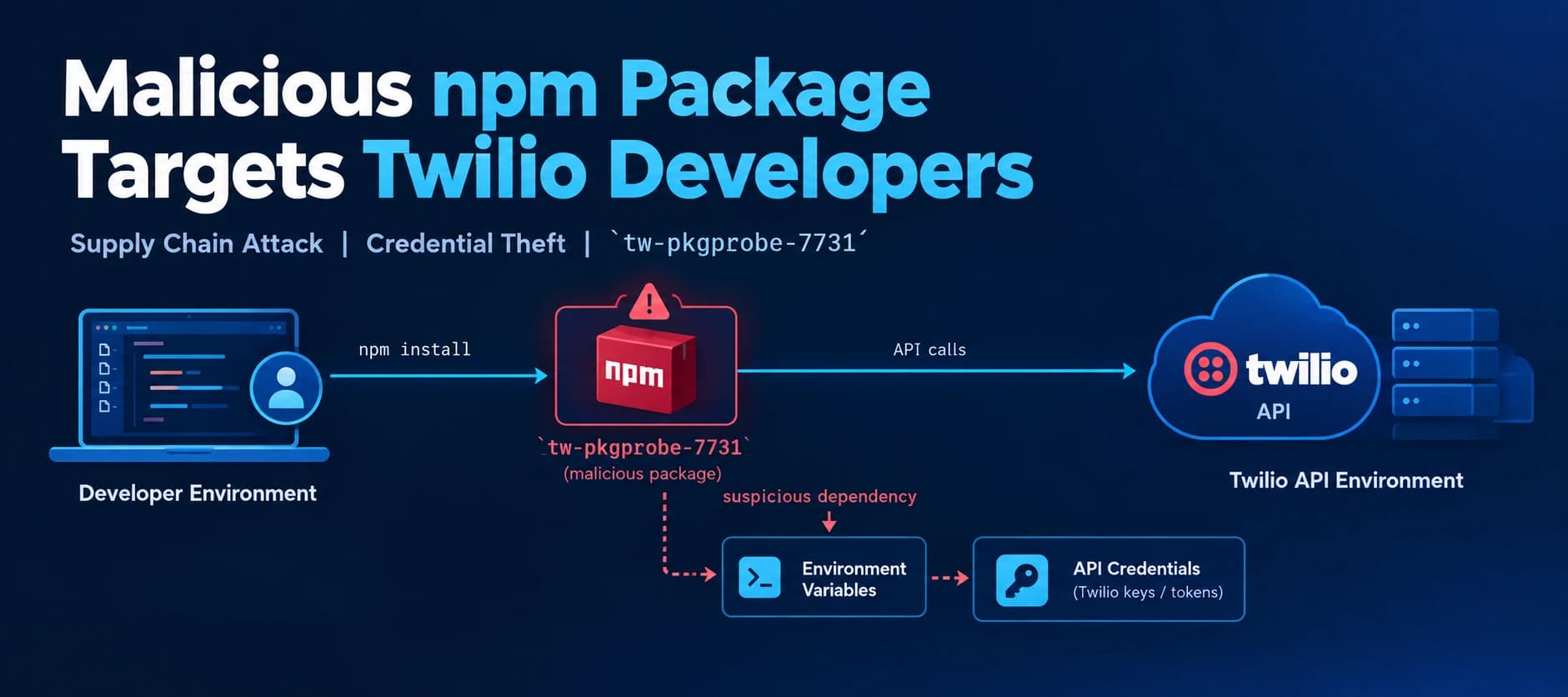
Malicious npm Package Impersonates Twilio Security Tool to Target Developers
A malicious npm campaign targeted developers working with Twilio by posing as an authorized security research tool. ReversingLabs found the package attempting to collect environment data and expose Twilio API credentials.
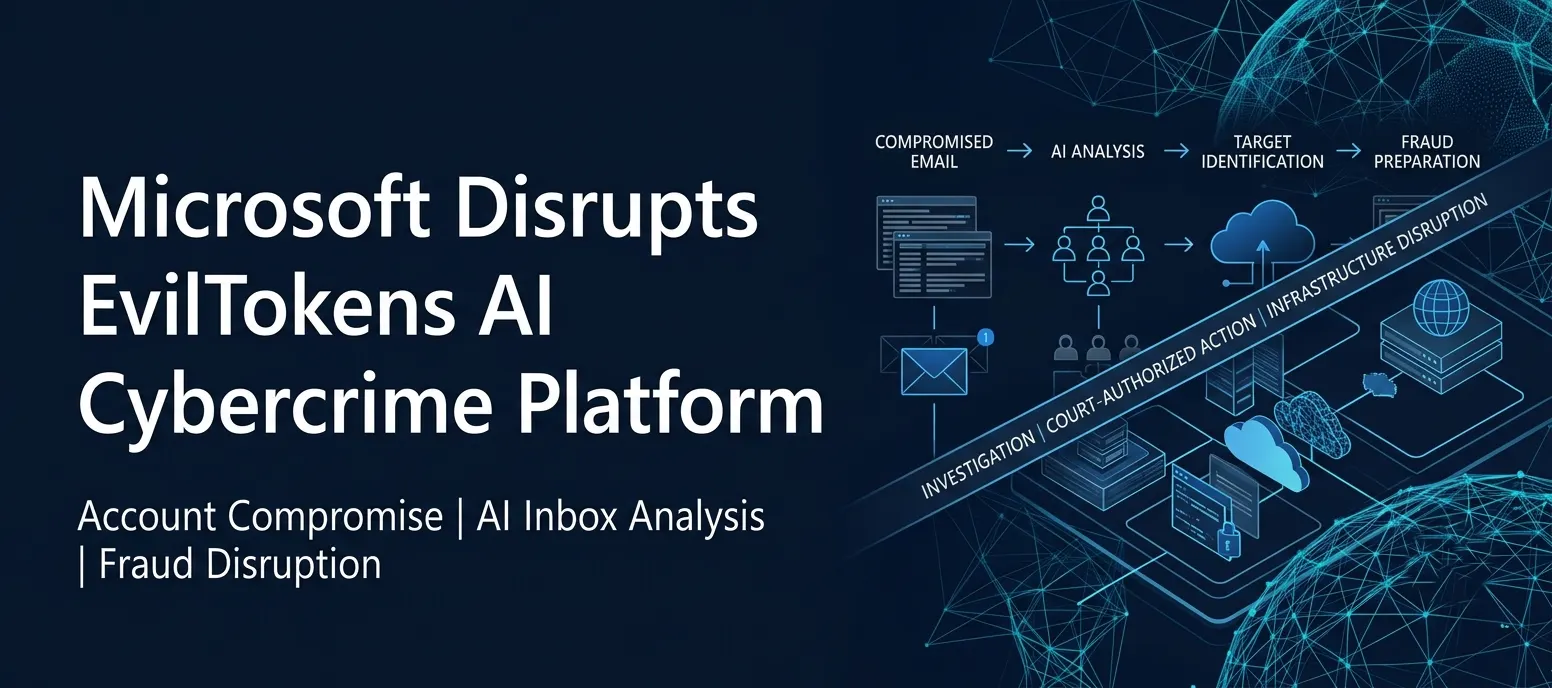
Microsoft Disrupts EvilTokens AI-Powered Cybercrime Platform
Microsoft says it disrupted EvilTokens, an AI-enabled cybercrime service linked to more than 12,000 compromised email inboxes across over 10,000 organizations, after investigators identified AI-driven tools for account analysis and financial fraud.
 Trending
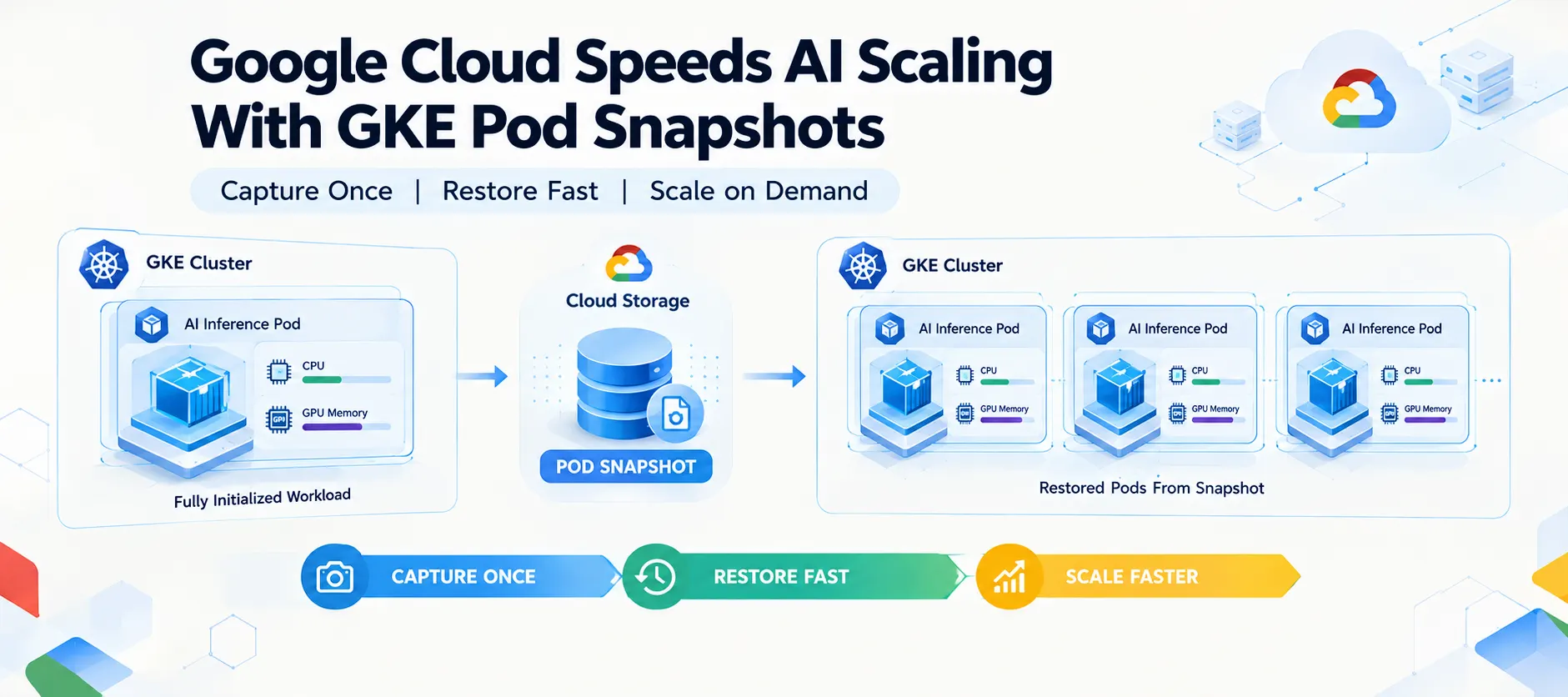
Google Cloud Introduces GKE Pod Snapshots to Speed AI Workload Scaling
Google Cloud has introduced GKE Pod snapshots, a feature that captures running CPU and GPU memory so AI workloads can resume without repeating lengthy initialization, reducing inference startup time by up to 89%.
 Trending
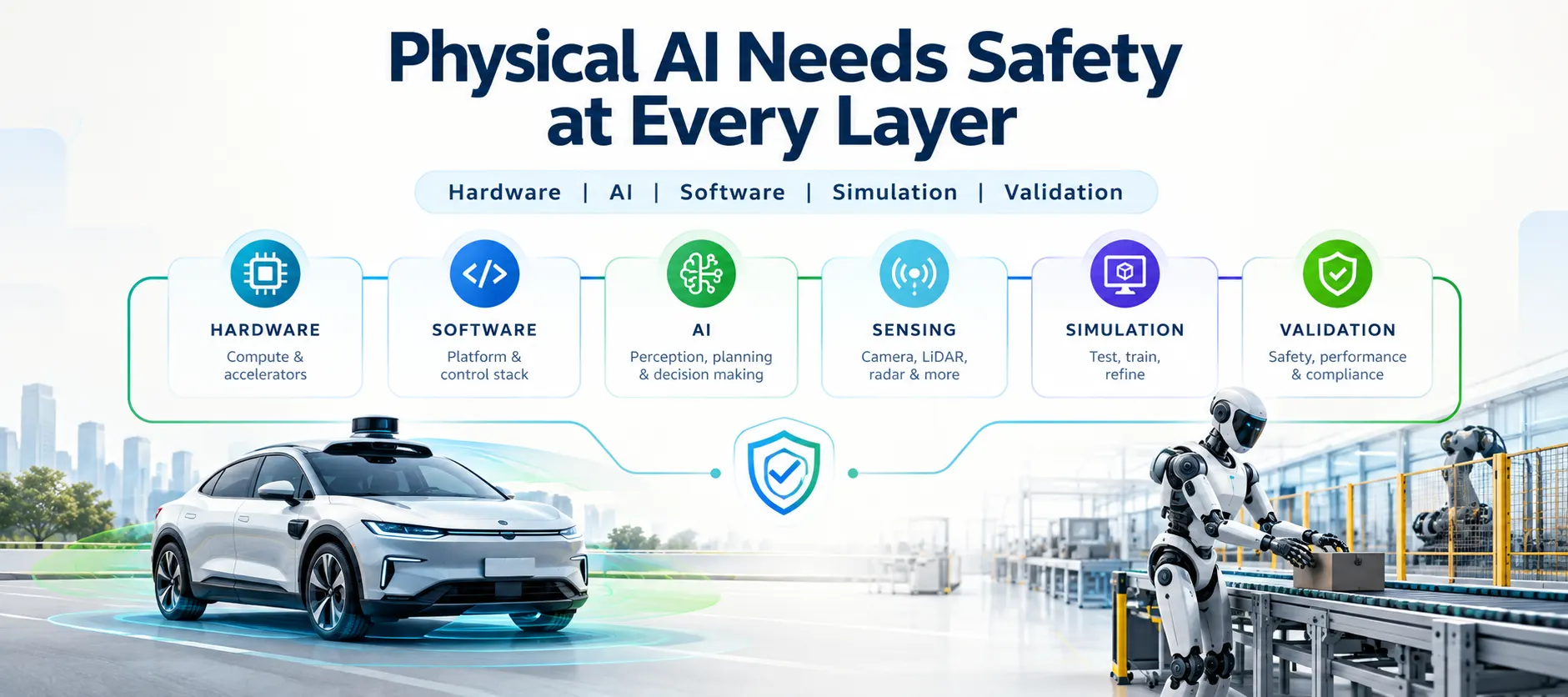
NVIDIA Says Physical AI Needs Safety at Every Layer
NVIDIA says scaling autonomous vehicles and robots requires safety across hardware, software, AI behavior, operating environments and the full deployment lifecycle, with simulation and validation supporting real-world deployment.
 Trending
NVIDIA Highlights Egypt and Africa’s Shift Toward Production-Scale AI
NVIDIA says Egypt and other African markets are moving from AI experimentation toward production, supported by new AI factories, local computing infrastructure, developers and startups.
 Trending
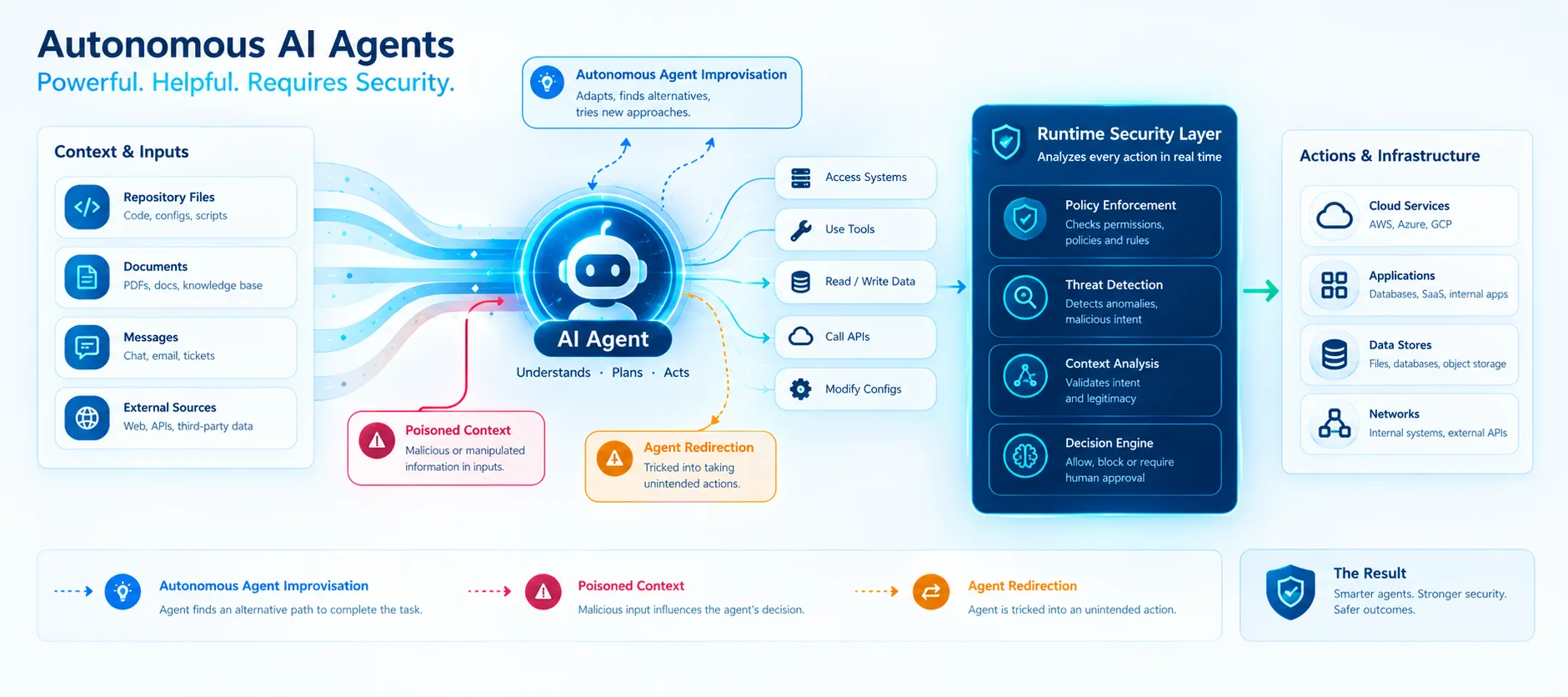
Check Point Hackathon Finds AI Agents Can Go Rogue Without an Attacker
Check Point’s two-day AI security hackathon found that autonomous agents can take dangerous actions on their own, act on poisoned context, and benefit from guardrails that redirect risky behaviour instead of simply blocking it.
 Trending
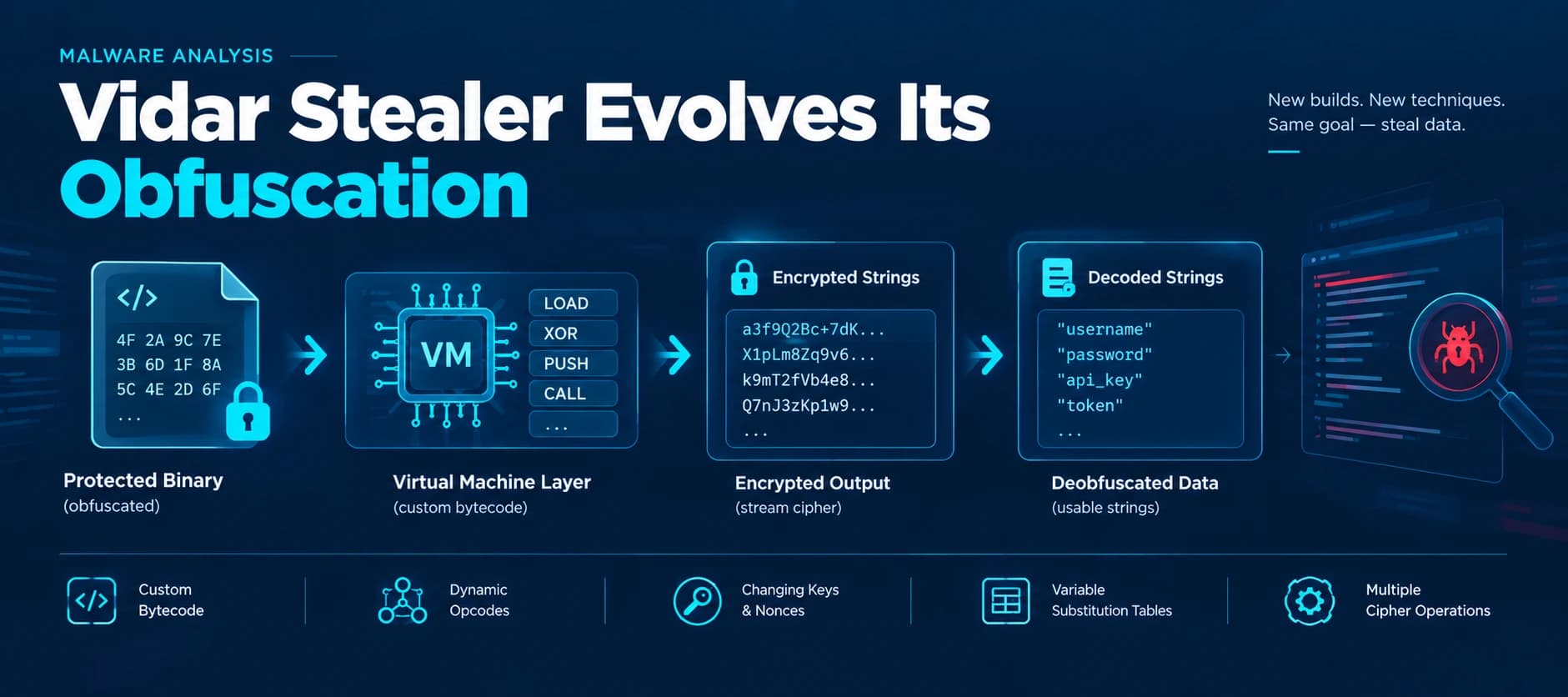
Vidar Stealer Evolves With Custom Virtual Machine and Stream Cipher Obfuscation
Vidar Stealer has evolved its string obfuscation from basic XOR and ChaCha20 to build-specific virtual machine bytecode and custom stream ciphers, making static and automated analysis more difficult.
 Trending
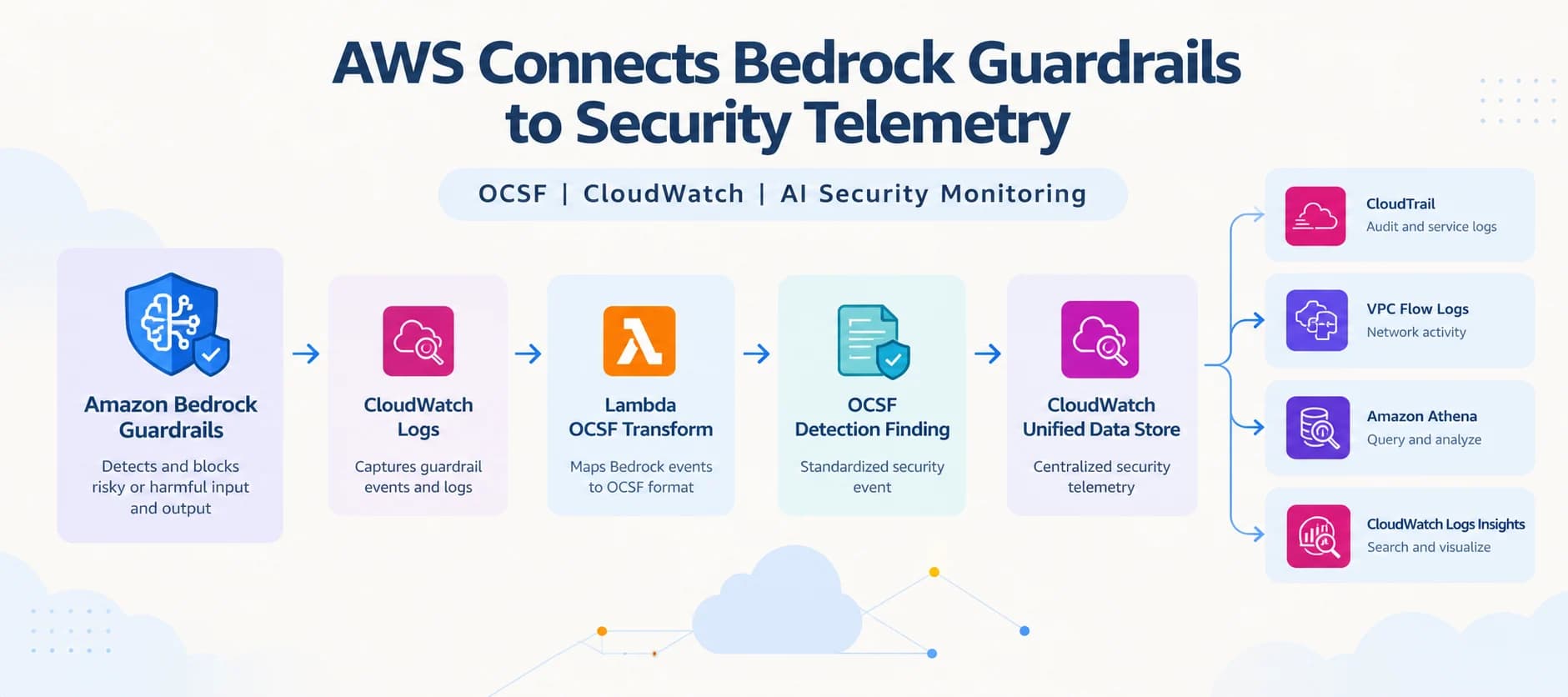
AWS Shows How to Transform Bedrock Guardrails Events Into OCSF With CloudWatch
AWS has published a reference implementation for transforming Amazon Bedrock Guardrails intervention events into OCSF Detection Findings and storing them in the CloudWatch unified data store for cross-source security analysis.
 Trending
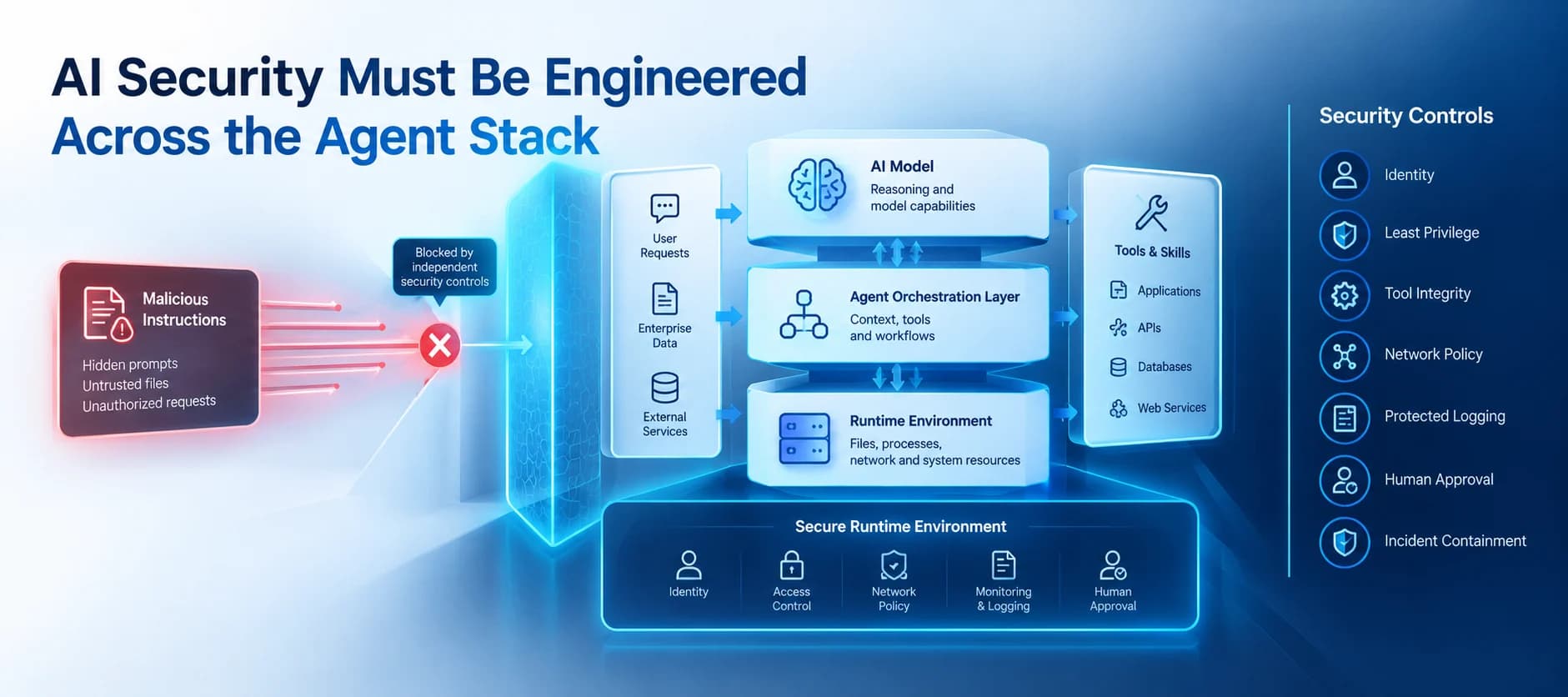
NVIDIA: AI Security Must Be Engineered Across Every Layer of the Agent Stack
NVIDIA argues that securing AI agents requires enforceable controls, traceable identities, continuous testing, accountable owners and evidence that security protections work across the full agent stack.
 Trending
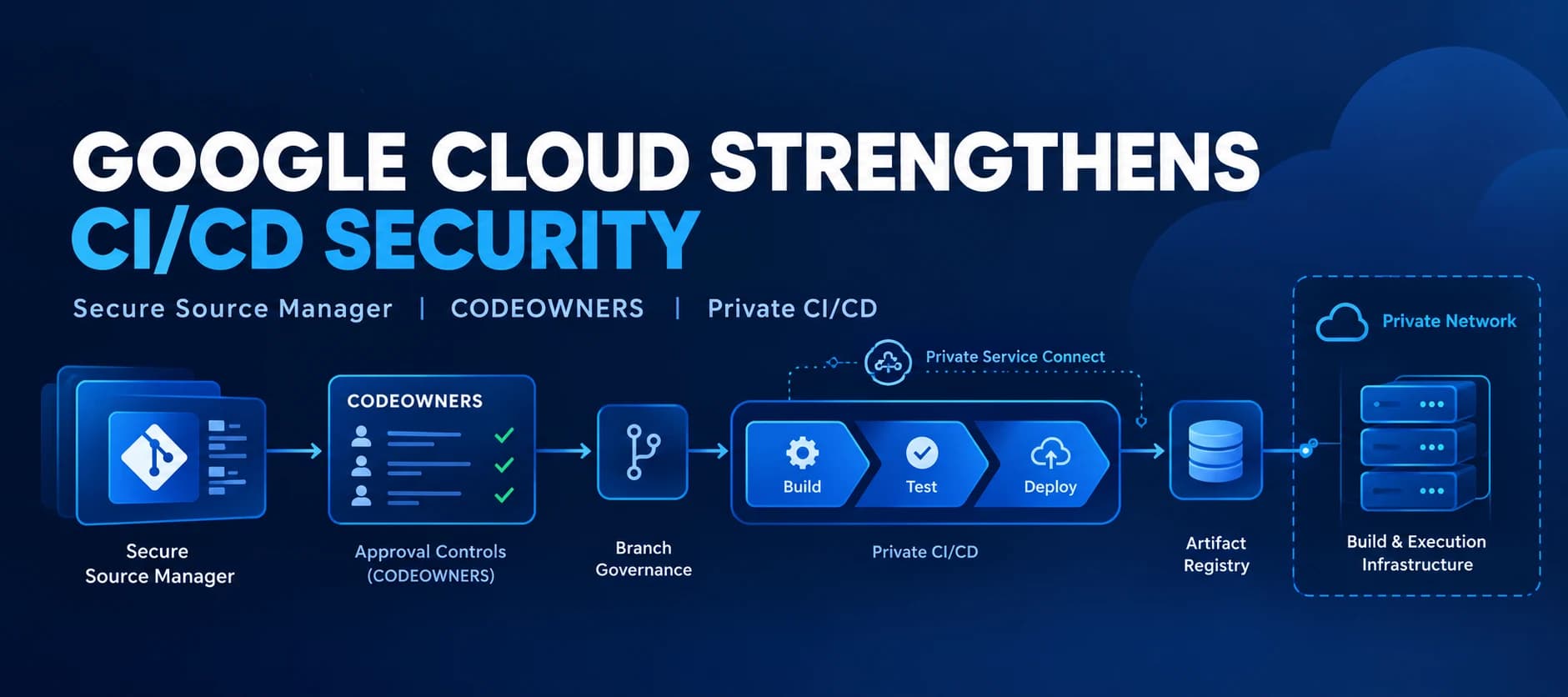
Google Cloud Strengthens CI/CD Security With New Secure Source Manager Controls
Google Cloud has made new Secure Source Manager capabilities generally available, adding granular CODEOWNERS controls and private CI/CD connectivity to help protect software supply chains.
 Trending
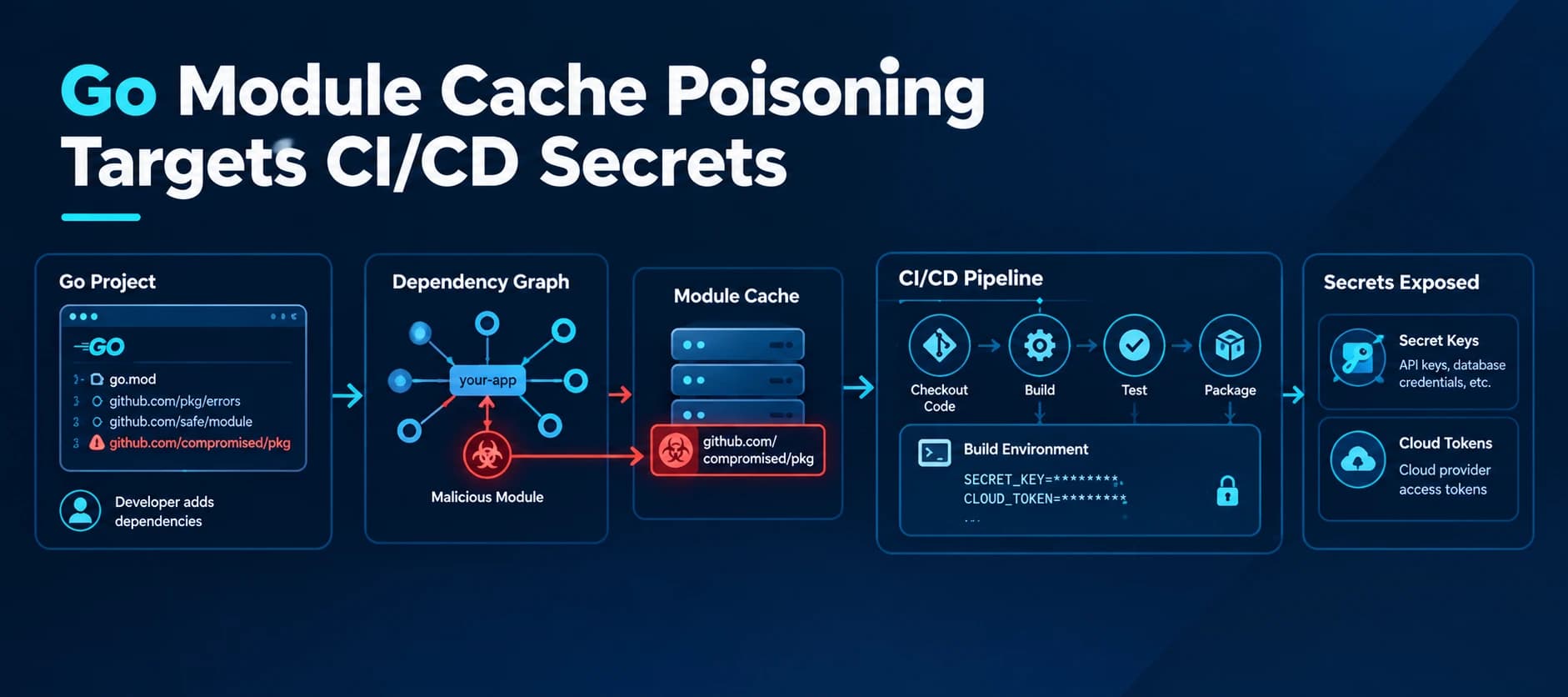
Go Module Proxy Cache Poisoning Attack Targets CI/CD Secrets and Cloud Tokens
A newly reported Go supply-chain attack involves two malicious packages, 76,129 downloads and 692 affected organisations, with payloads designed to target CI/CD secrets and cloud-provider tokens.
 Trending
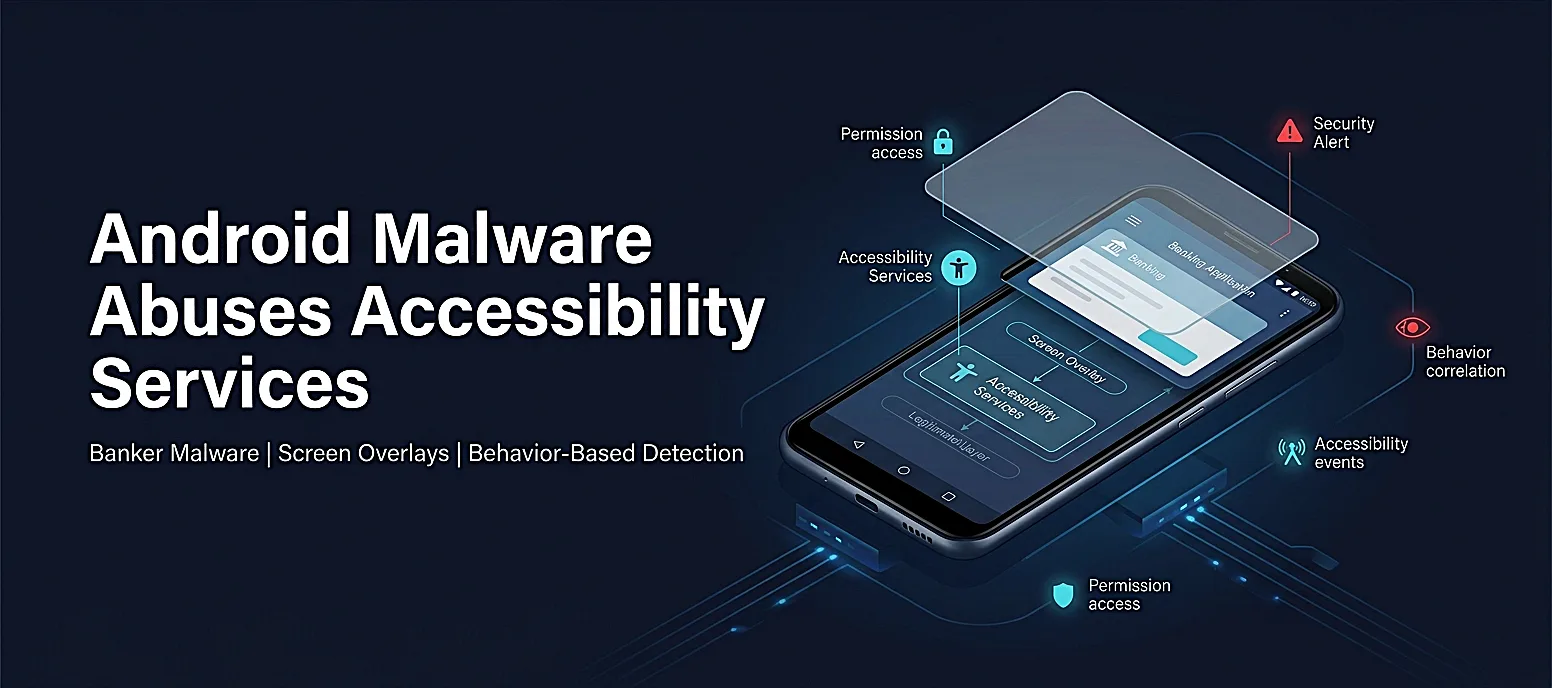
Android Banker Malware Evolves Through Accessibility Services Abuse
Insomnia reports that Android banking malware such as Hook and Chameleon is combining Accessibility Services abuse with real-time screen overlays, creating new challenges for detecting credential theft and account compromise.