
Stay Ahead of the Tech Curve
Breaking cybersecurity threats, technology updates, and IT industry insights, curated by our editors.
- Stories published
- 530
- Trending now
- 5
- Breaking
- Live
OpenAI Proposes Perplexity as a Shared AI Intelligence Metric to Strengthen Industry Safety Standards
OpenAI Chief Scientist Jakub Pachocki proposes using AI perplexity as a shared measure of model progress, offering greater transparency into pretraining capabilities and a potential framework for industry-wide AI safety standards.
 Trending
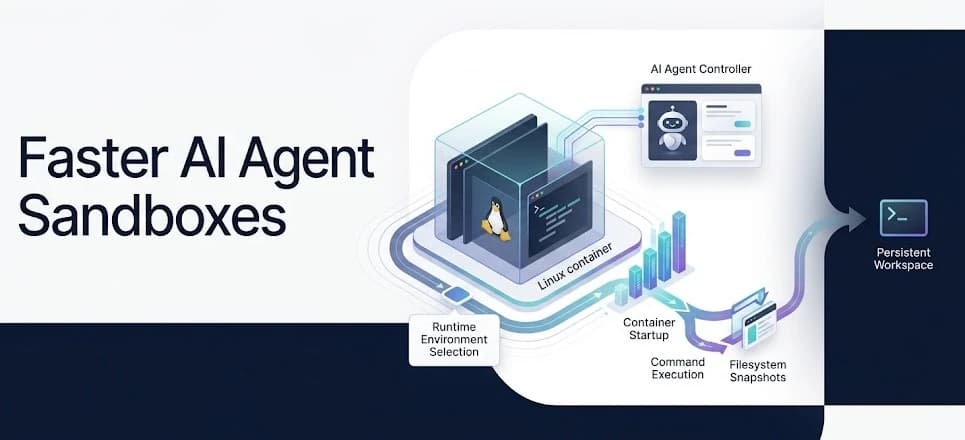
Cloudflare Rebuilds Containers to Make AI Agent Sandboxes Faster and More Flexible
Cloudflare has rebuilt its Containers infrastructure for AI agents, introducing faster sandbox startup, runtime environment selection and filesystem snapshots for persistent agent workspaces.
 Trending
Google Cloud Brings gcloud and BigQuery CLI Operations to AI Agents With Remote MCP Server
Google Cloud has introduced its Cloud CLI remote MCP server in public preview, giving AI agents access to gcloud and BigQuery CLI operations through a managed, network-isolated execution environment with Google Cloud identity and governance controls.

MetaMask Responds to Ongoing Security Incident, Exits Affected Ethereum Validators
MetaMask is responding to an ongoing security incident affecting part of its infrastructure. The company says it has identified no immediate threat to MetaMask wallets and is exiting affected Ethereum validators as a precaution.
 Trending
Microsoft Tracks Active Exploitation of Zimbra Mail Servers Through CVE-2026-73570
Microsoft has documented exploitation of CVE-2026-73570, an unauthenticated command-injection flaw in Zimbra. Attackers used it to deploy web shells, escalate privileges, access authentication secrets and attempt mailbox-data collection.
 Trending
Google Finds AI Is Reshaping Vulnerability Discovery and Exploitation
Google Threat Intelligence Group says vulnerability disclosures and exploitation both increased in 2026, while AI-assisted discovery is surfacing proportionally more moderate- and high-impact vulnerabilities, including flaws leading to remote code execution.
 Trending
Cloudflare Says the Internet Now Has a Second Audience: AI Agents
AI agents are becoming a major source of Internet traffic, creating new challenges for websites around cost, visibility and revenue. Cloudflare outlines tools for identifying, controlling, optimising and monetising agent traffic.
 Trending
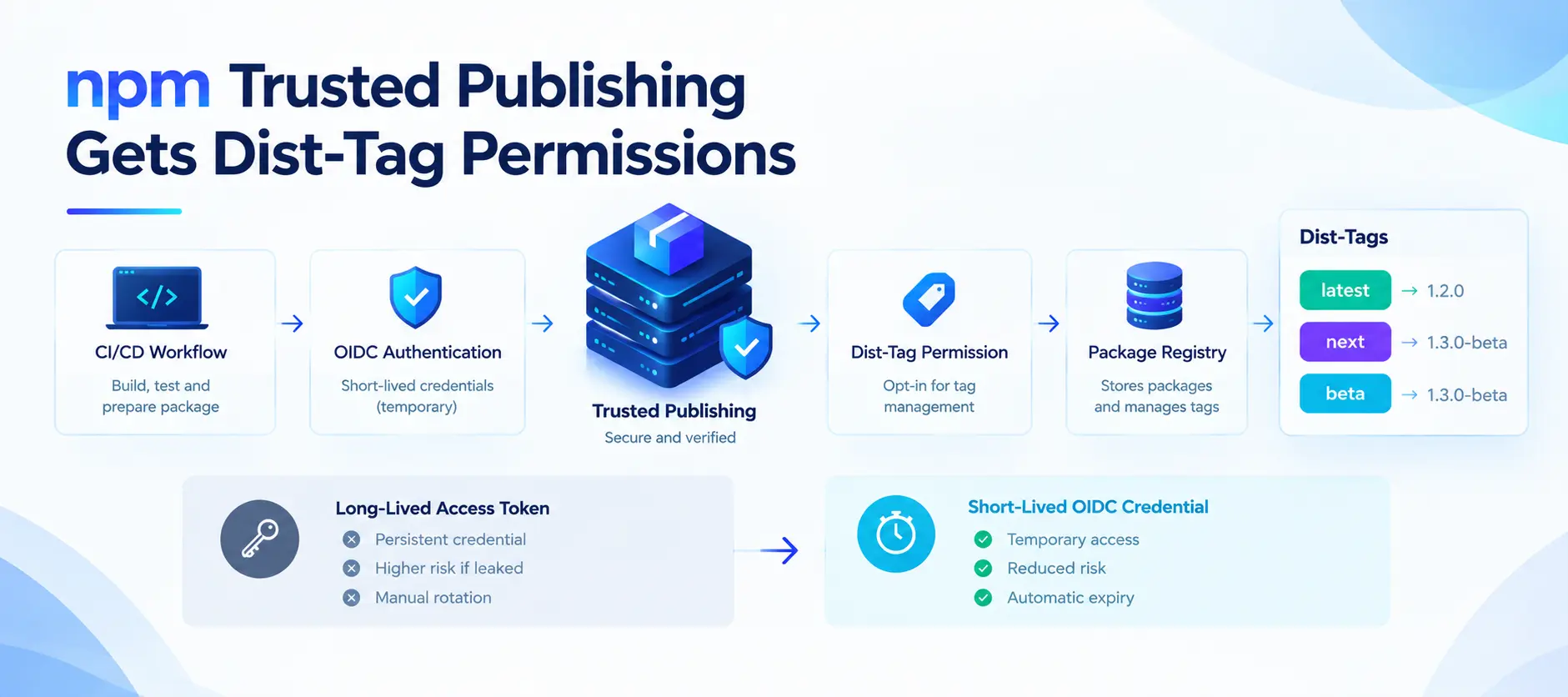
GitHub Adds Opt-In npm Dist-Tag Permissions to Trusted Publishing
GitHub has expanded npm trusted publishing with optional dist-tag permissions, allowing maintainers to manage tags such as latest, next, and beta using short-lived OIDC credentials instead of long-lived access tokens.
 Trending
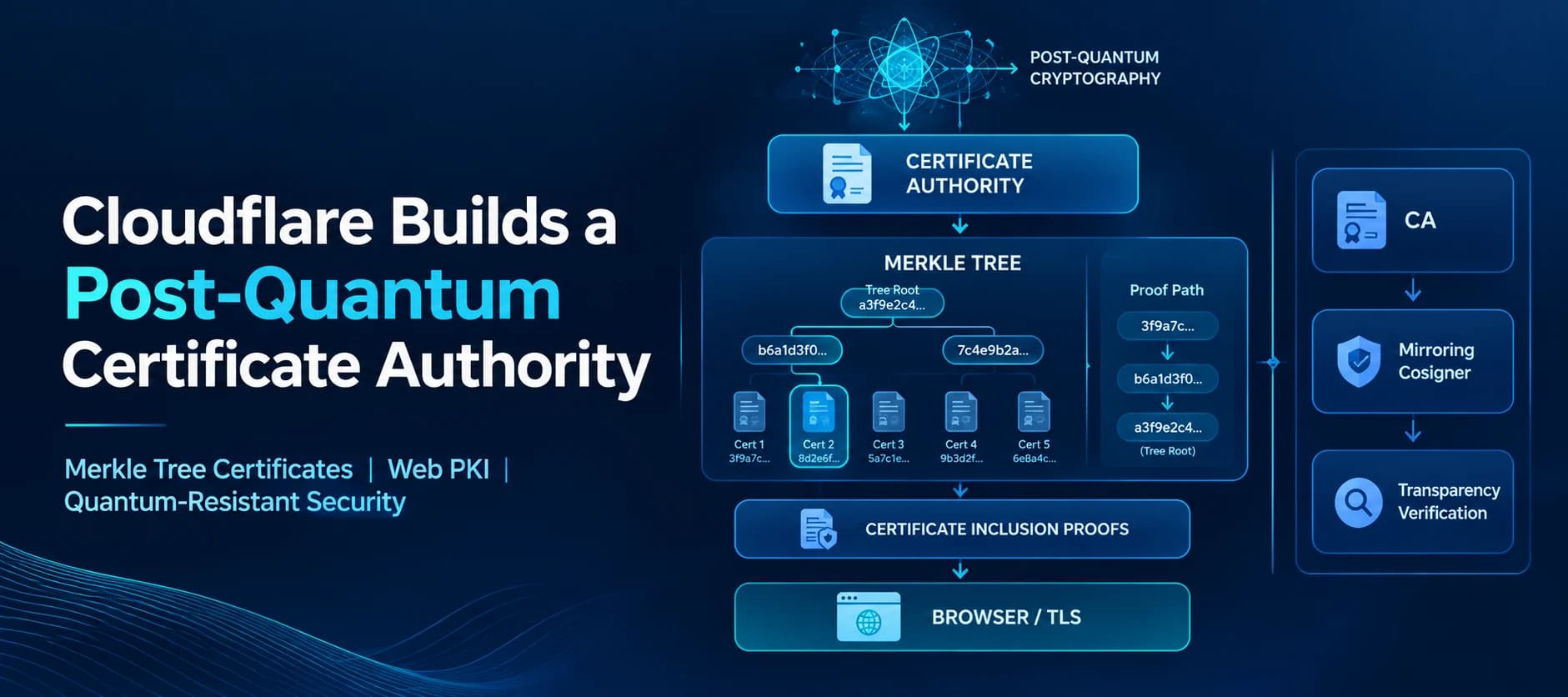
Cloudflare Builds Post-Quantum Certificate Authority With Merkle Tree Certificates
Cloudflare is building a certificate authority designed to support Merkle Tree Certificates, a post-quantum approach intended to reduce the size and scaling costs of Web PKI while making certificate transparency part of the issuance process.
 Trending
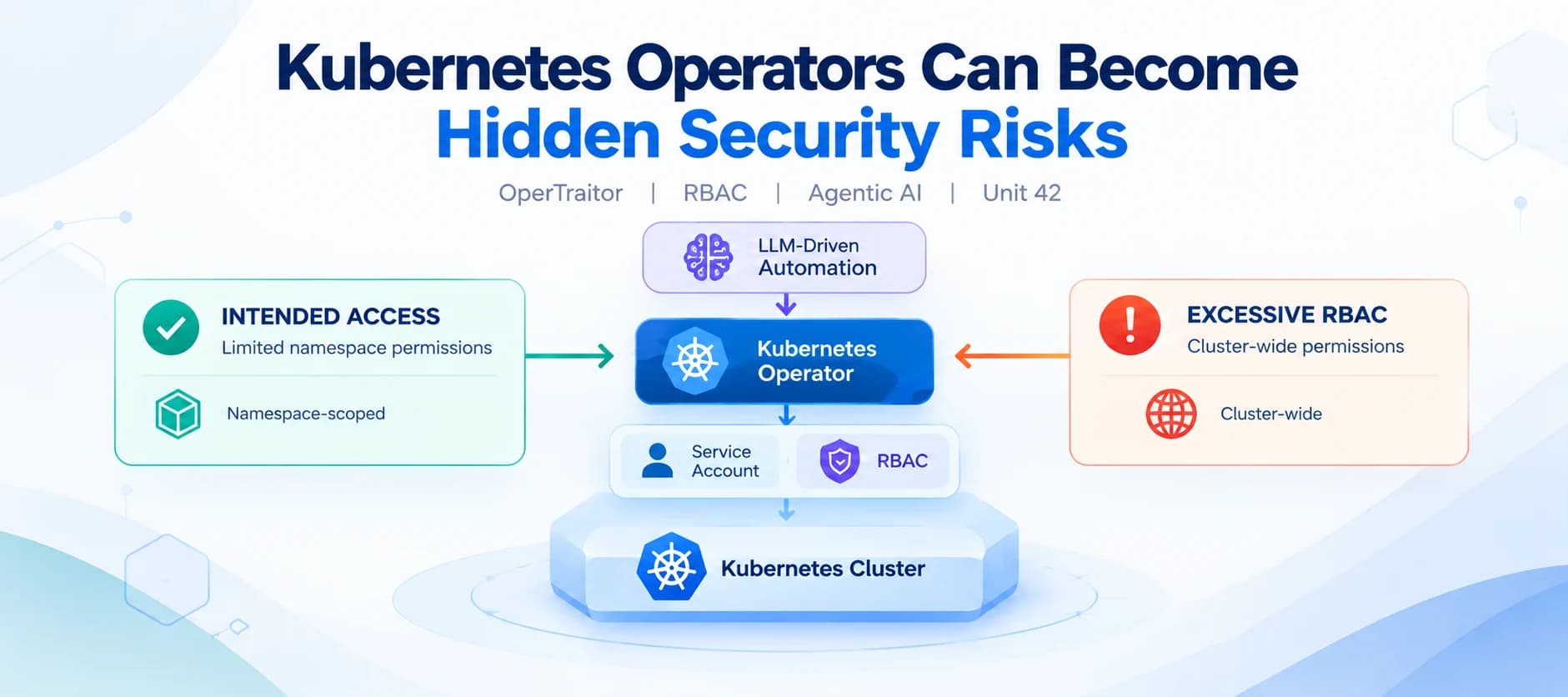
OperTraitors: How Kubernetes Operators Can Betray Your Security Posture
Palo Alto Networks Unit 42 has released OperTraitor, an open-source LLM-powered tool that analyzes Kubernetes operator permissions and identifies excessive RBAC privileges that could expand the impact of a compromise.
 Trending
GPT-6.1 Sol: OpenAI Brings Near-Astra Performance to a Lower-Cost Model
OpenAI introduces GPT-6.1 Sol, an upgraded model focused on coding, professional work, computer use and scientific research, with near-Astra performance at a lower API cost.
 Trending
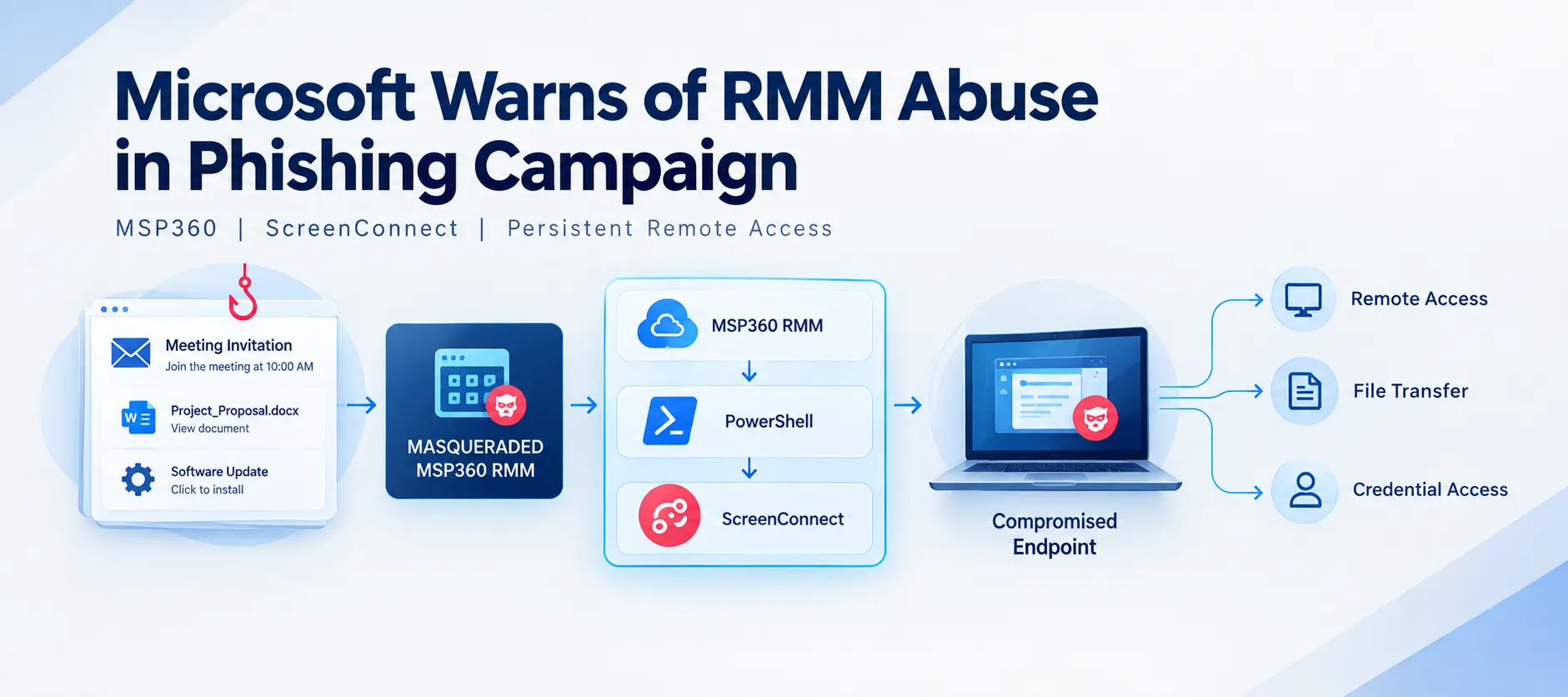
Microsoft Warns of Phishing Campaign Abusing RMM Tools for Persistent Access
Microsoft has identified phishing campaigns that abuse legitimate RMM software to establish remote access, deploy ScreenConnect, and support follow-on credential-access and information-collection activity.
 Trending
Star Blizzard Expands Phishing Operations With New RedFlick Malware Delivery Technique
Microsoft says Star Blizzard has expanded from targeted spear-phishing to larger campaigns in 2026, using compromised websites, VHDX files, scheduled tasks and PDF-based payload hiding to deploy the CosmicPulse backdoor.