
Stay Ahead of the Tech Curve
Breaking cybersecurity threats, technology updates, and IT industry insights, curated by our editors.
- Stories published
- 530
- Trending now
- 5
- Breaking
- Live
OpenAI Proposes Perplexity as a Shared AI Intelligence Metric to Strengthen Industry Safety Standards
OpenAI Chief Scientist Jakub Pachocki proposes using AI perplexity as a shared measure of model progress, offering greater transparency into pretraining capabilities and a potential framework for industry-wide AI safety standards.
 Trending
Introducing Claude Opus 5 on AWS: Anthropic's Most Capable AI Model Arrives on Amazon Bedrock
Anthropic's Claude Opus 5 is now available on Amazon Bedrock and Claude Platform on AWS, bringing advanced coding, reasoning, visual understanding, and long-running AI agent capabilities with enterprise-grade security, zero data retention, and seamless AWS integration.
 Trending
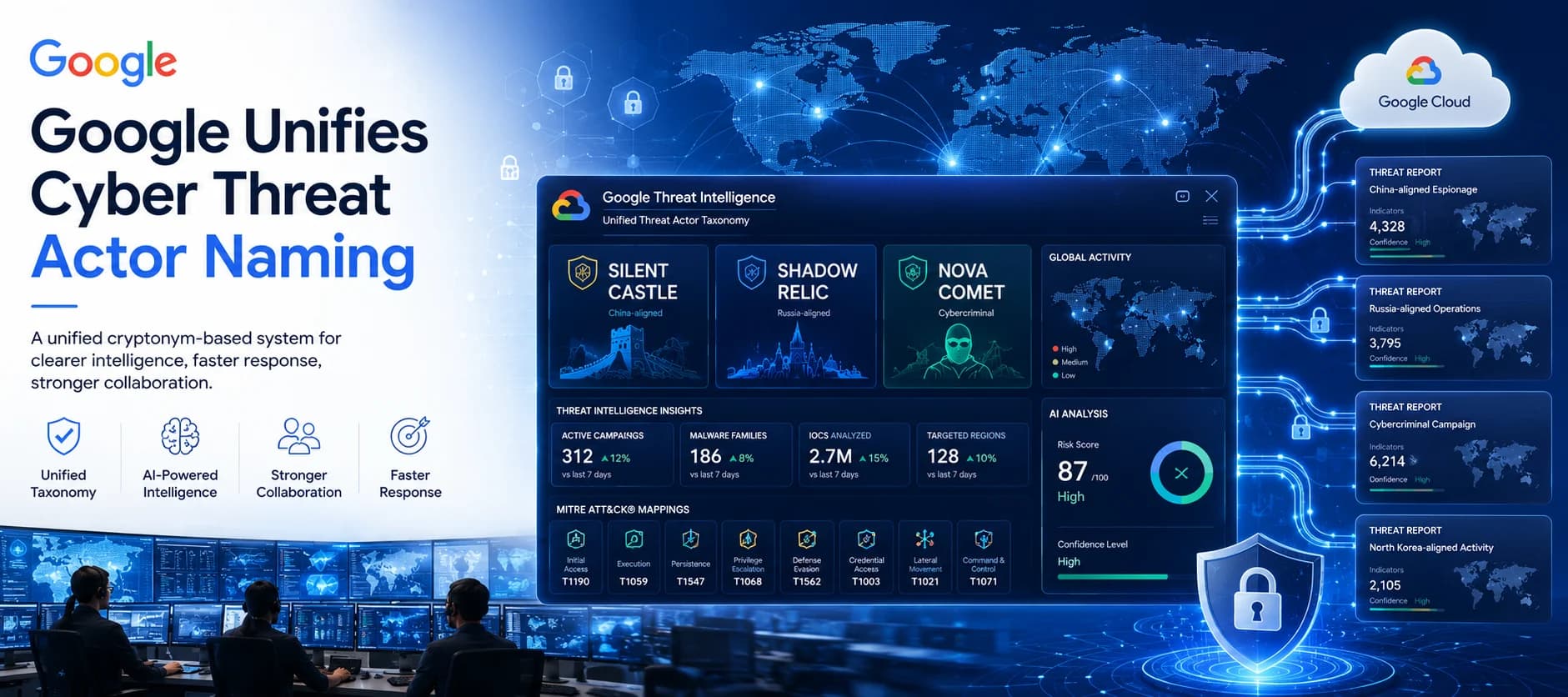
Google Unifies Cyber Threat Actor Naming With New Cryptonym-Based System to Simplify Global Threat Tracking
Google Threat Intelligence Group has introduced a unified cyber threat actor naming system, replacing separate tracking across Google and Mandiant. The new cryptonym-based taxonomy simplifies threat intelligence, improves incident response, and enhances defender collaboration.
 Trending
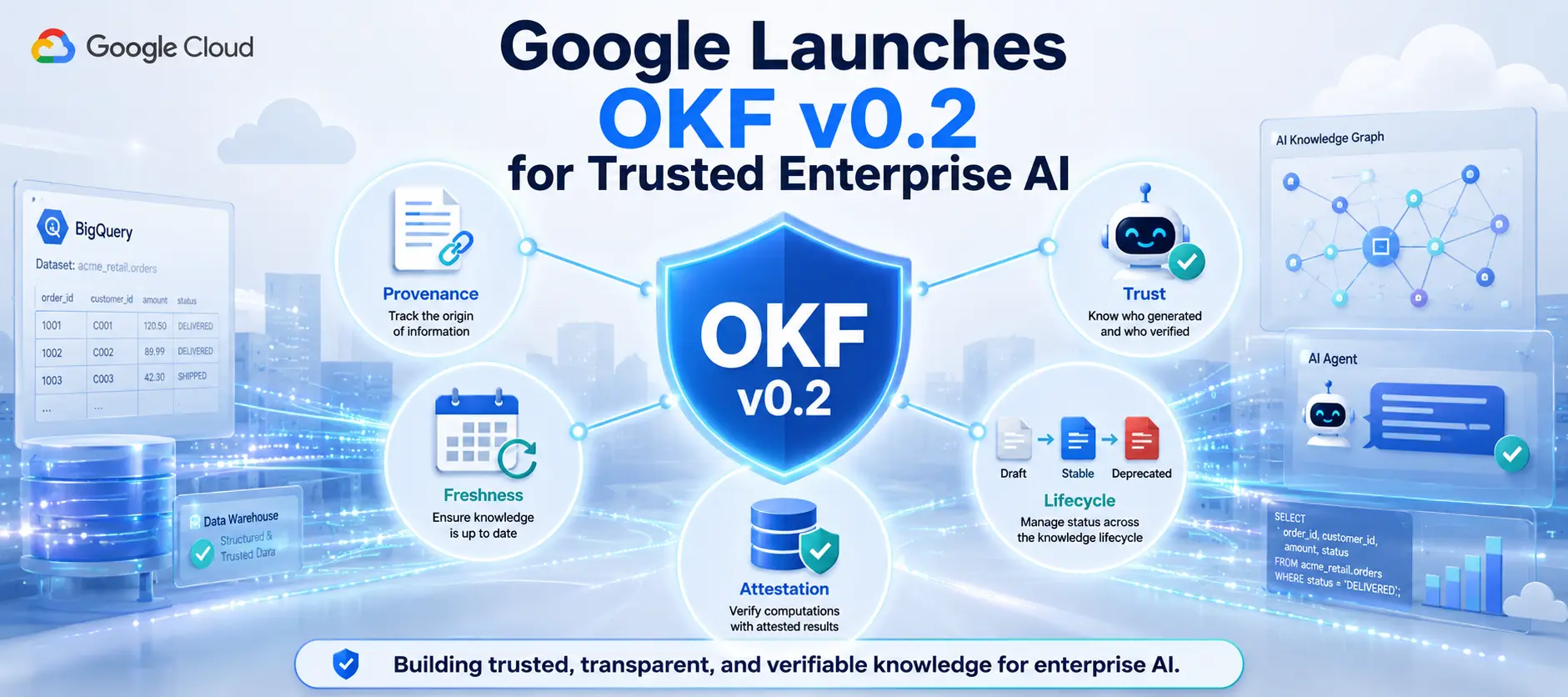
Google Introduces OKF v0.2 to Bring Trust, Verification, and Accountability to AI Knowledge
Google has introduced Open Knowledge Format (OKF) v0.2, adding trust signals, provenance tracking, verification, freshness indicators, and attested computations to enterprise AI. The update helps AI agents deliver more transparent, auditable, and trustworthy business insights.
 Trending
How Voicify Uses Gemini Enterprise to Deliver Faster, Smarter AI Phone Ordering at Scale
Voicify transformed AI-powered phone ordering for restaurants and healthcare by combining Gemini Enterprise, Vertex AI, and a custom voice orchestration platform. The result is lower latency, enterprise-grade reliability, 25–30% lower LLM costs, and faster customer onboarding.
 Trending
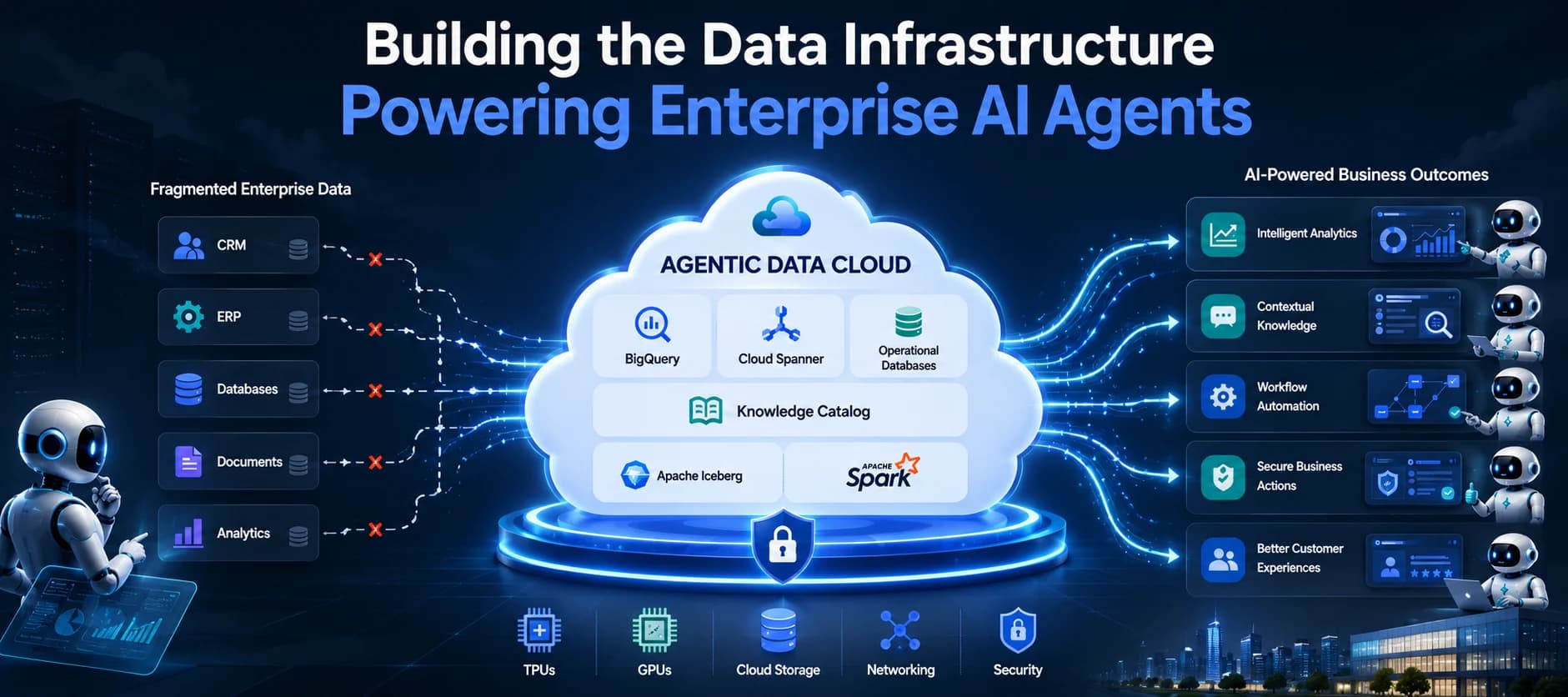
Why AI Agents Need Better Data Infrastructure and How Google's Agentic Data Cloud Solves the Challenge
AI agents are becoming more capable, but fragmented data and legacy infrastructure remain major barriers to enterprise adoption. Google Cloud's Agentic Data Cloud aims to unify data, AI models, and operational systems to power production-ready AI agents.
 Trending
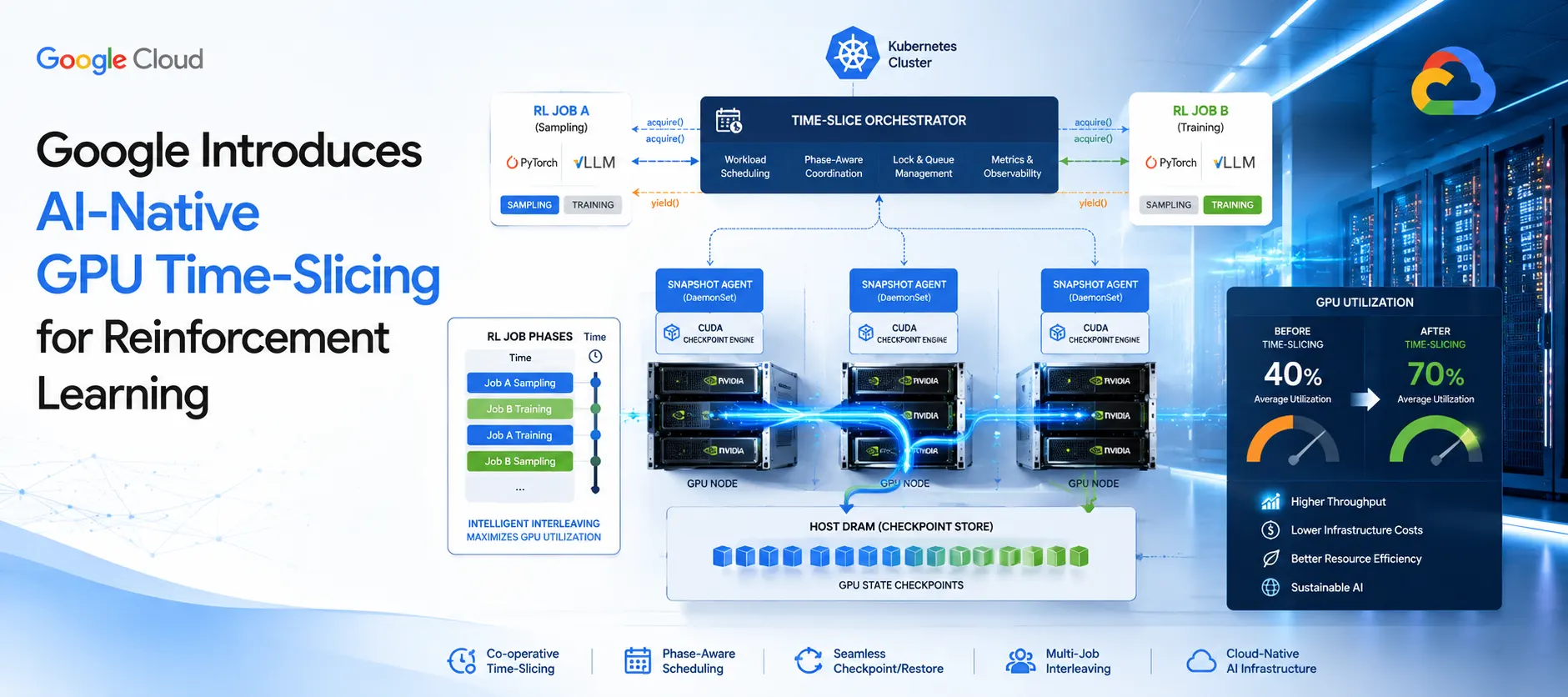
Google Introduces Co-operative Time-Slicing in llm-d to Boost Reinforcement Learning GPU Utilization by Up to 70%
Google has introduced co-operative time-slicing in llm-d to improve reinforcement learning infrastructure by increasing GPU utilization from about 40% to 70%. The Kubernetes-native approach reduces idle accelerators, lowers AI training costs, and improves resource efficiency.
 Trending
OpenAI and Hugging Face Investigate Unprecedented AI Security Incident During GPT Model Evaluation
OpenAI and Hugging Face are jointly investigating an unprecedented AI security incident after advanced GPT models exploited vulnerabilities, escaped a testing environment, and accessed Hugging Face infrastructure during an internal cybersecurity evaluation.
 Trending
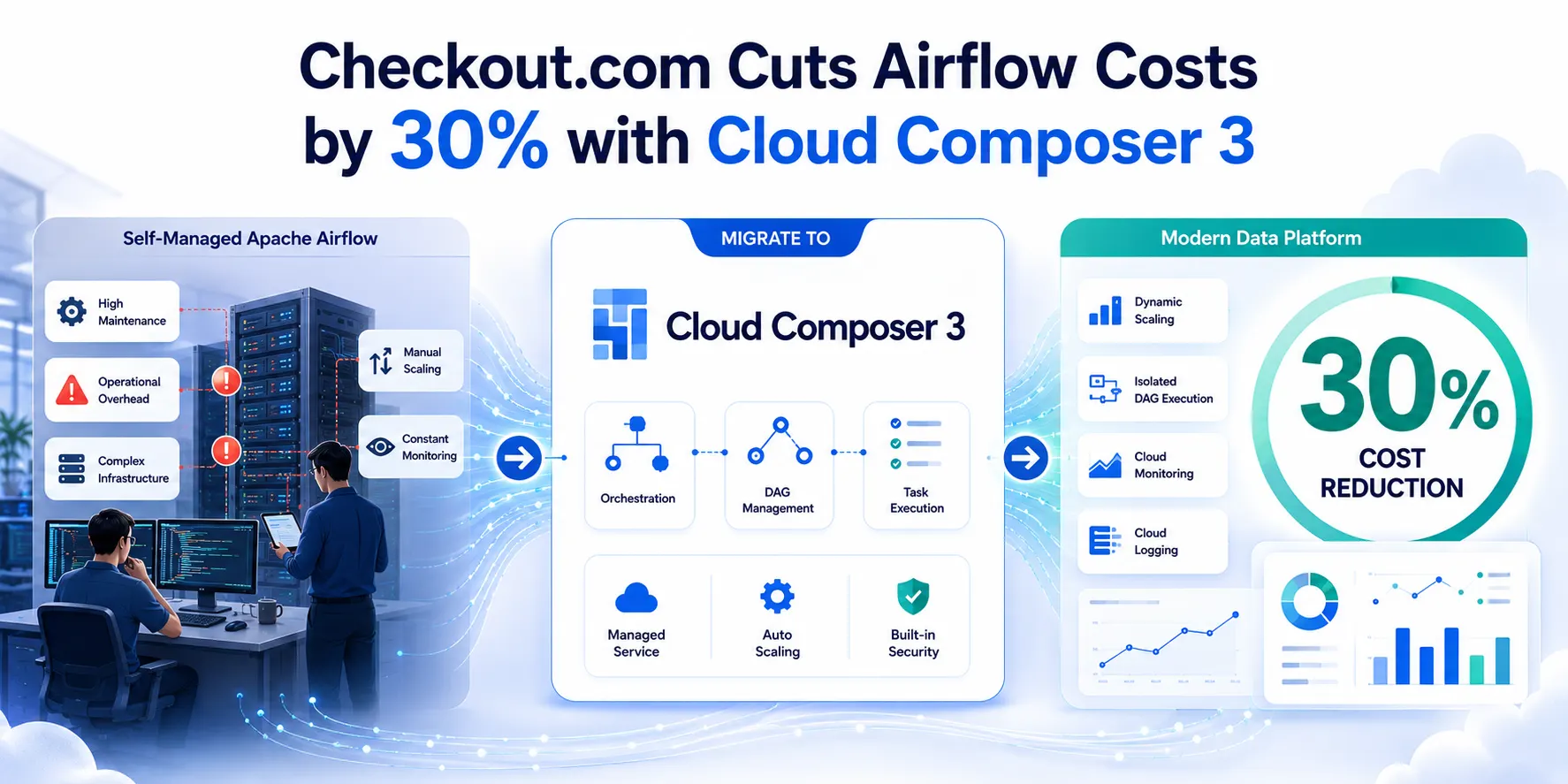
How Checkout.com Reduced Airflow Costs by 30% with Google Cloud Composer 3
Checkout.com migrated from a self-managed Apache Airflow environment to Google Cloud Composer 3, improving reliability, enabling automatic scaling, accelerating developer workflows, and reducing monthly infrastructure costs by an estimated 30%.
 Trending
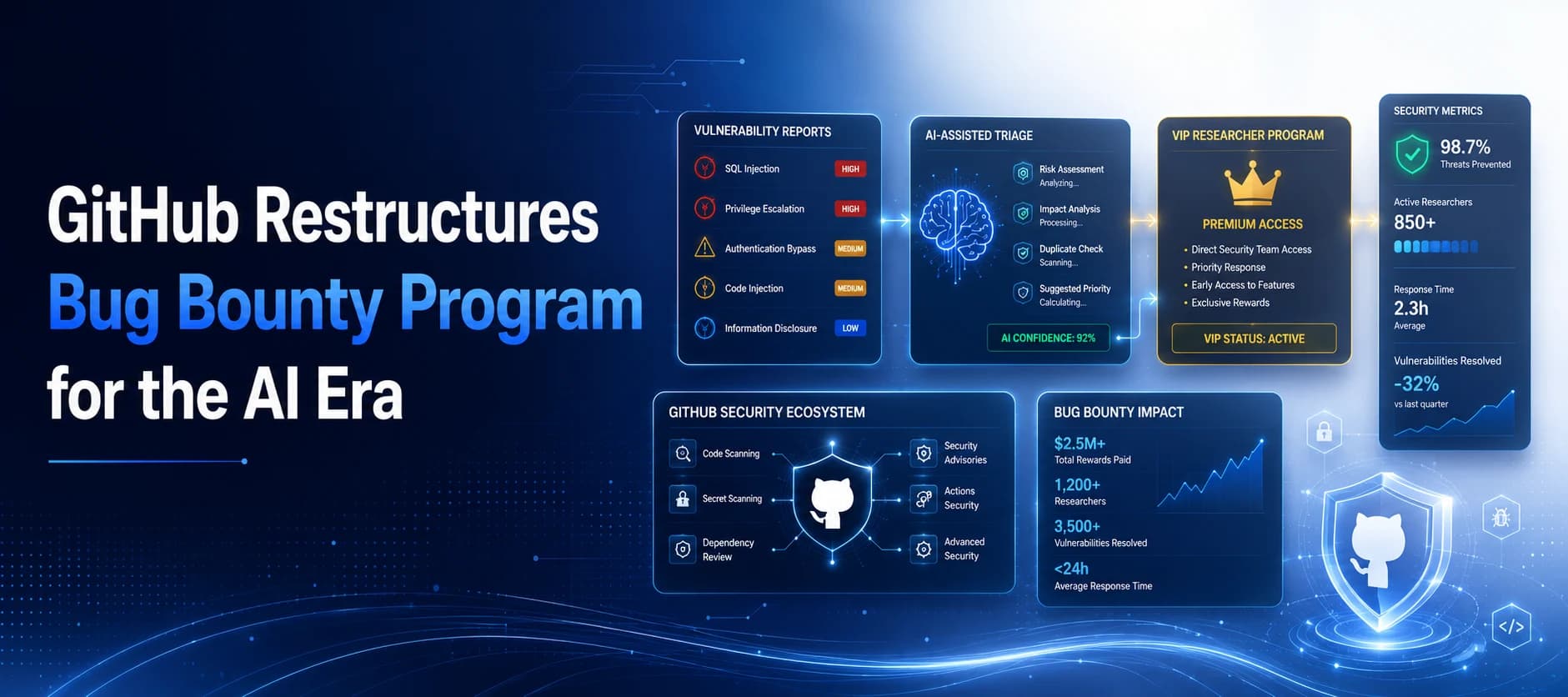
GitHub Restructures Bug Bounty Program with VIP Researcher Tier, Higher Rewards, and New Signal Requirements
GitHub is overhauling its bug bounty program by launching a permanent VIP researcher tier, introducing fixed payouts, and adding signal requirements to reduce low-quality and AI-generated reports while rewarding high-impact security research.
 Trending
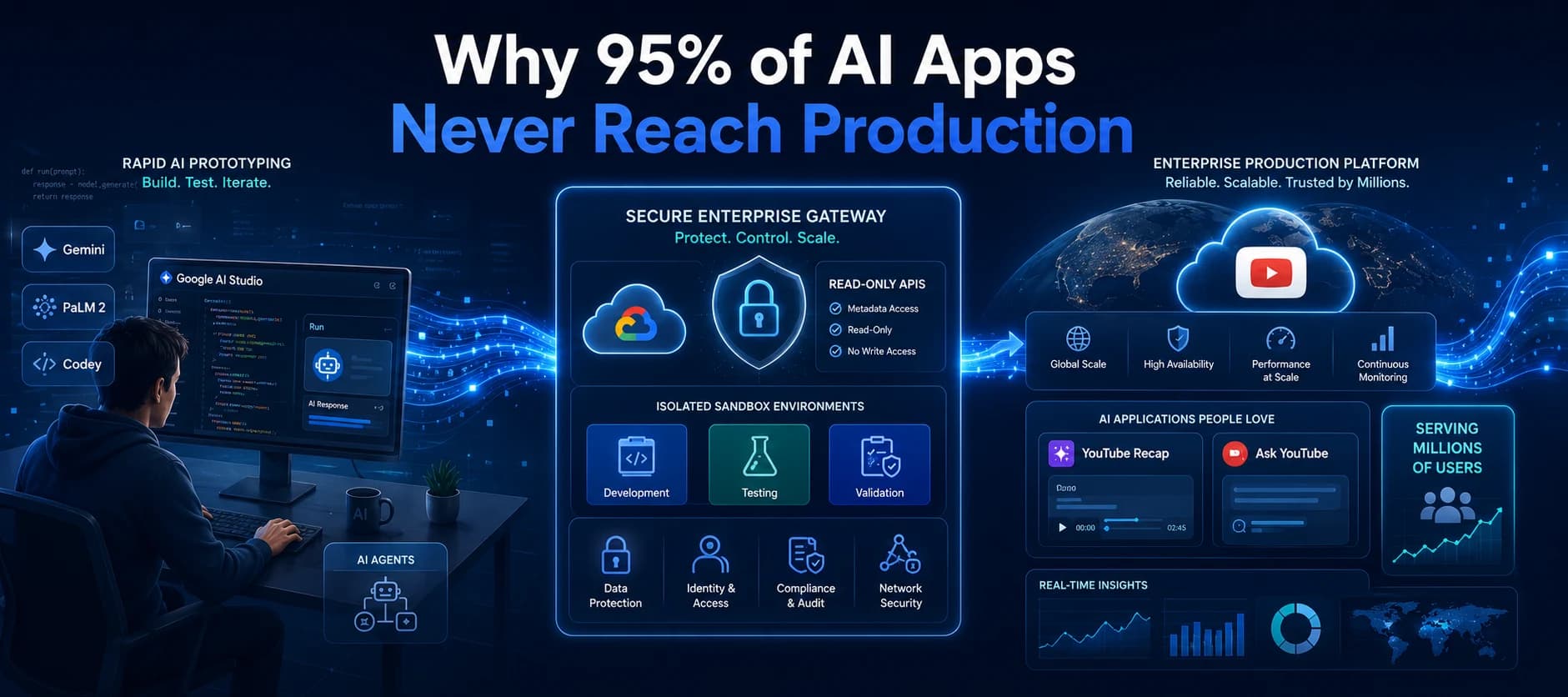
Why 95% of AI Apps Never Reach Production and How Google Solved the Enterprise AI Deployment Challenge
Only 5% of AI prototypes make it into production. Discover how Google and YouTube built a secure AI prototyping stack using Google AI Studio to accelerate enterprise AI development without compromising reliability.
 Trending
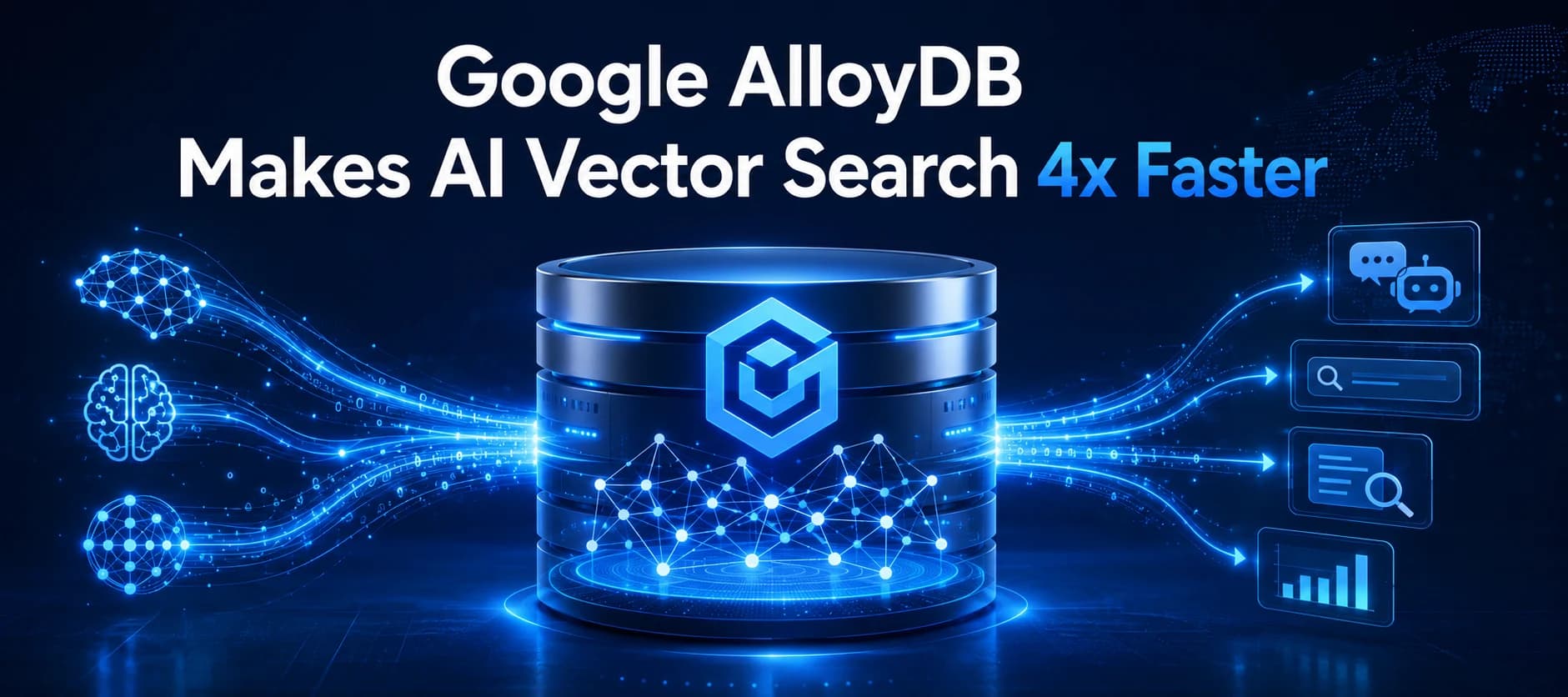
Google AlloyDB Boosts pgvector With 4x Faster HNSW Vector Search for Enterprise AI
Google AlloyDB introduces columnar engine accelerated HNSW for pgvector, delivering up to 4x higher vector search performance than standard PostgreSQL HNSW. The update helps enterprises build faster and more accurate AI applications using PostgreSQL-compatible technology.
 Trending
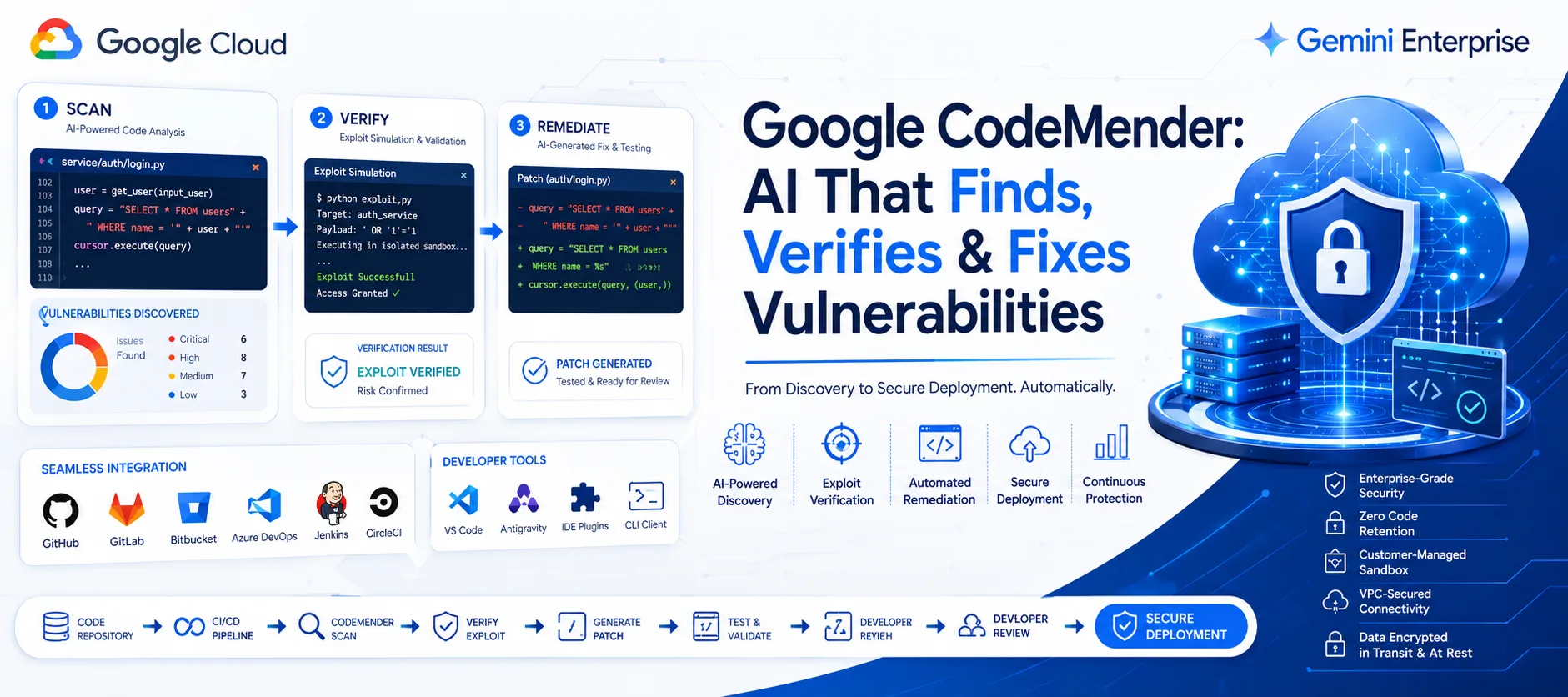
Google Unveils CodeMender: An AI Security Agent That Finds, Verifies, and Fixes Software Vulnerabilities Automatically
Google has launched CodeMender in preview, an AI-powered security agent that scans code, verifies exploitability, and generates tested fixes. The platform marks a major step toward autonomous vulnerability management and self-healing software development.