
Sharper every day.
Tutorials, analysis, and career playbooks across 12 disciplines, from cloud and cybersecurity to leadership, finance, and emerging tech. Written by people doing the work. Published daily.
- Articles published
- 100
- Disciplines covered
- 7
- Working contributors
- 2
Latest articles
Page 4 of 9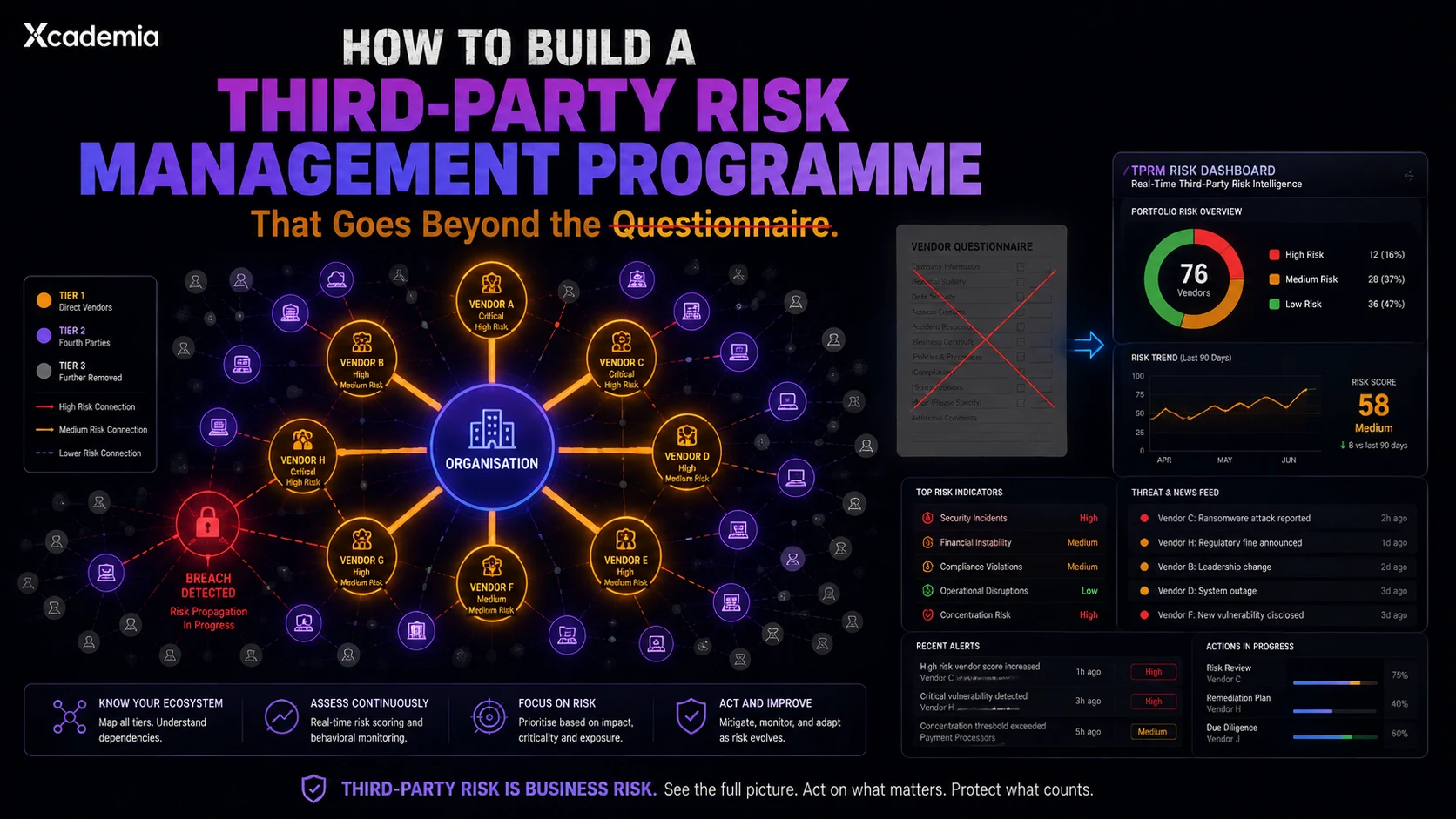 Cybersecurity
How to Build a Third-Party Risk Management Programme
Most major cyber breaches now originate through suppliers, yet many organisations still rely on annual questionnaires. Learn the five components of an effective TPRM programme, from risk-based assessments and continuous monitoring to fourth-party visibility and DORA compliance.
 Cybersecurity
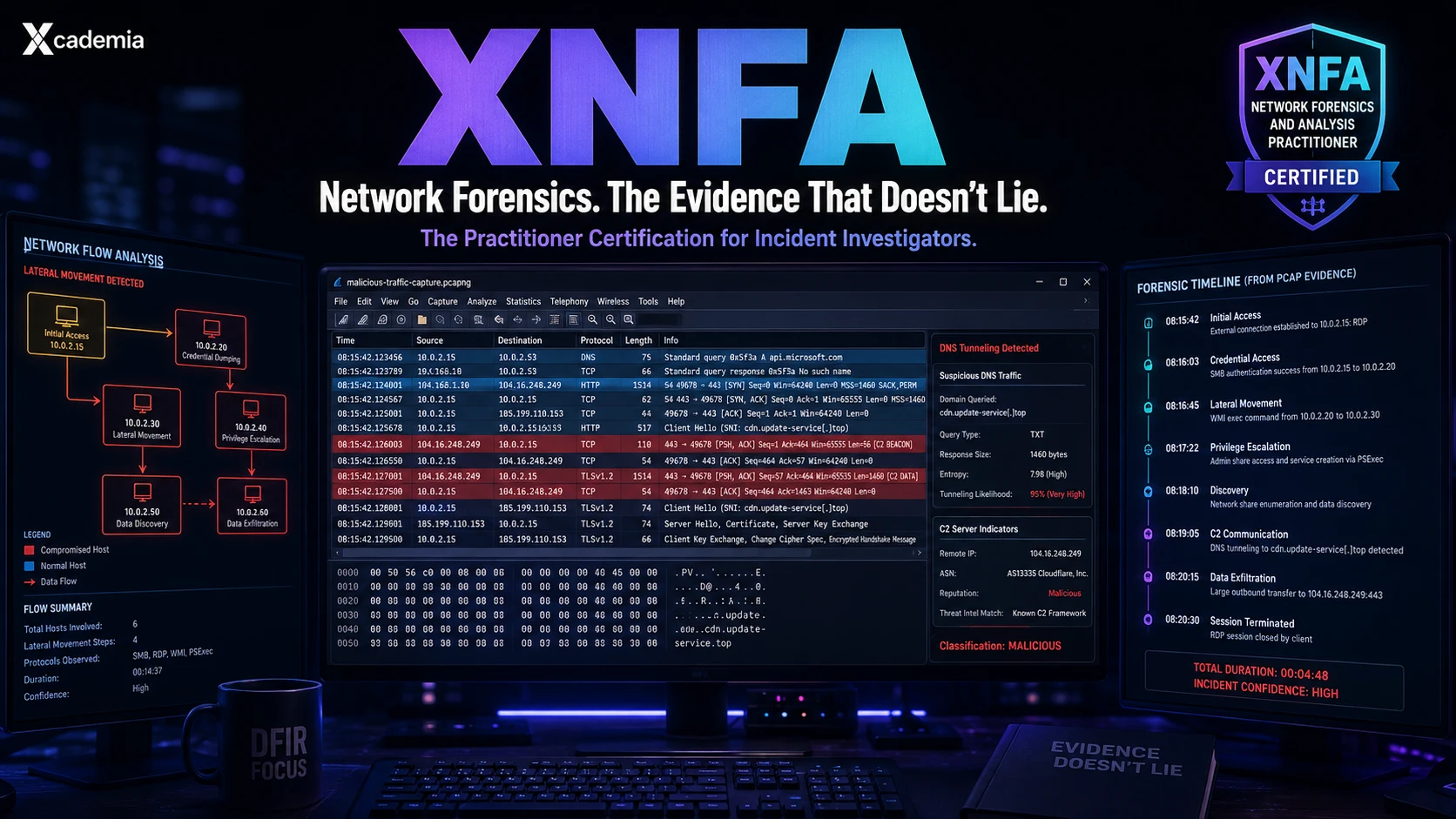
XNFA: Xcademia Network Forensics Analyst
Attackers can erase endpoint artefacts. They cannot erase the packets. XNFA develops the network forensic skills needed to reconstruct breaches from PCAPs, flow data, DNS records, and C2 traffic, turning network evidence into incident timelines that stand up to scrutiny.
 Industry Trends
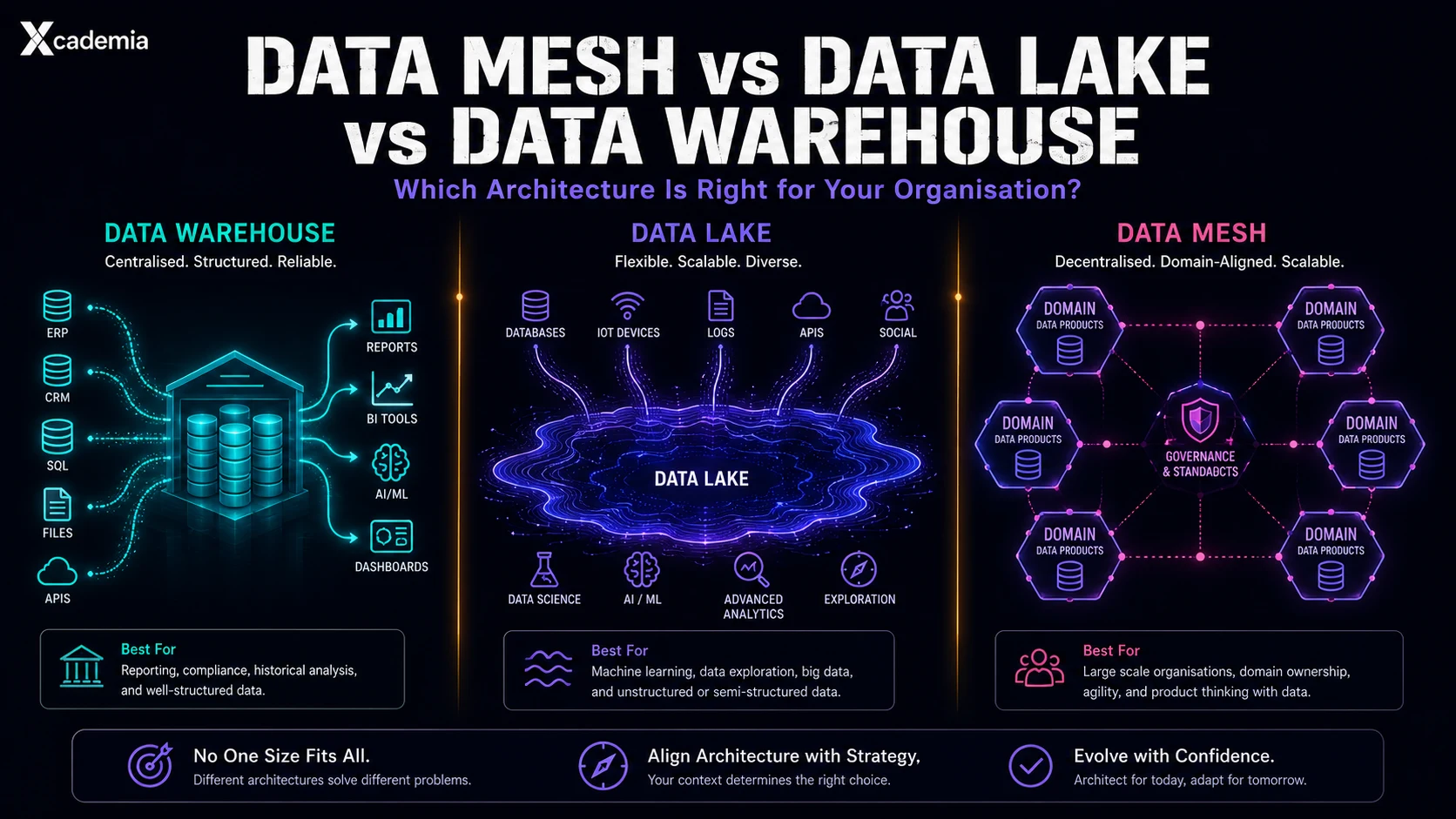
Data Mesh vs Data Lake vs Data Warehouse
Data Mesh, Data Lake, and Data Warehouse solve different problems. The right choice depends on your organisation's scale, governance needs, and data goals. This guide explains where each excels, where it struggles, and why Lakehouse architectures are changing the debate.
 Career Guidance
XFIN: Xcademia Financial Analysis Practitioner
Most managers are accountable for budgets and financial decisions without formal finance training. XFIN develops practical skills in P&L analysis, variance interpretation, business case development, and commercial decision-making through a practitioner-assessed, real-world capstone.
 Industry Trends
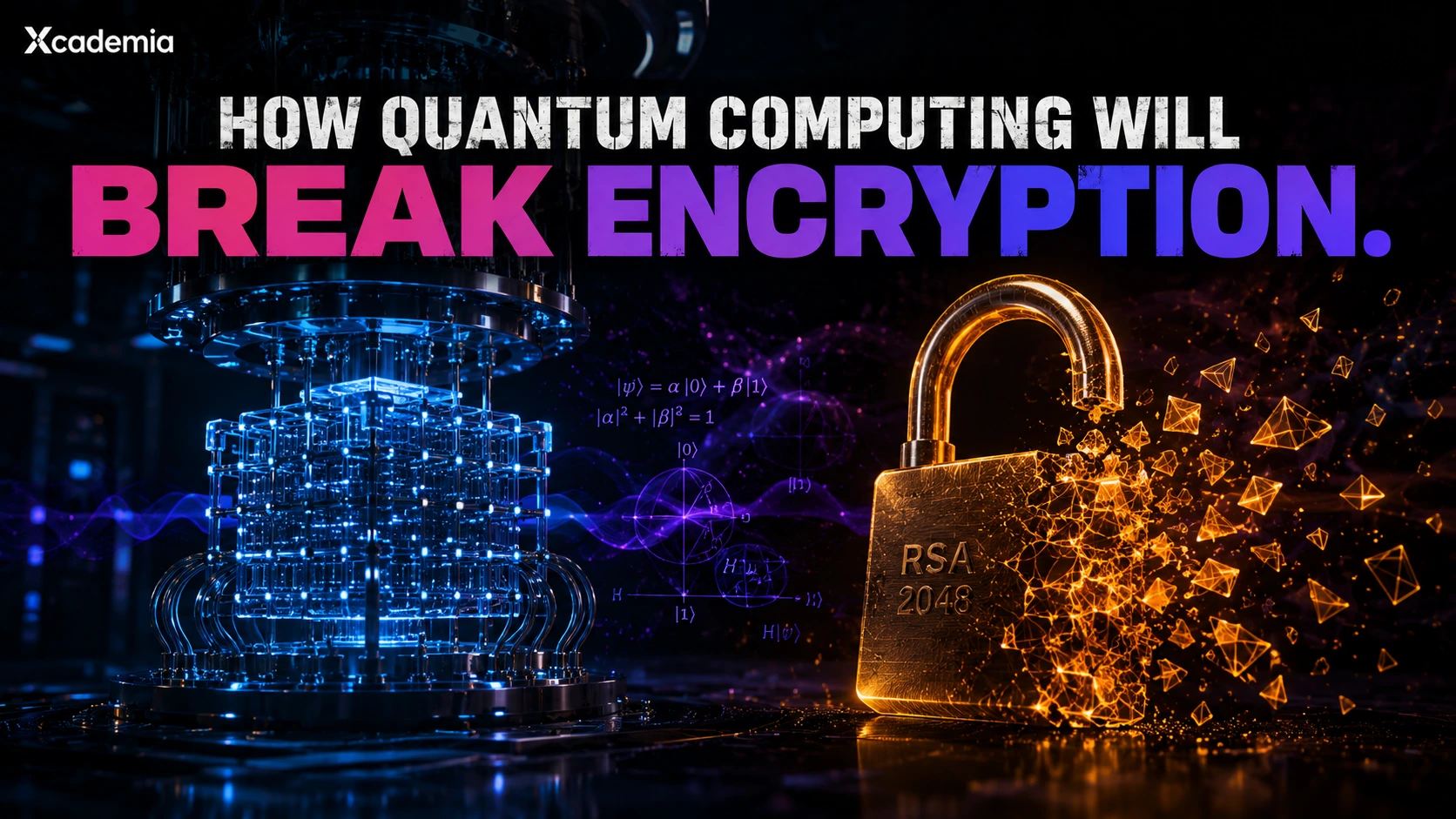
How Quantum Computing Will Break Encryption
Quantum computers will eventually break RSA and ECC encryption. The timeline is uncertain, but the mathematics is not. This guide explains what is fact, what remains theoretical, and why organisations should begin post-quantum preparation now.
 Career Guidance
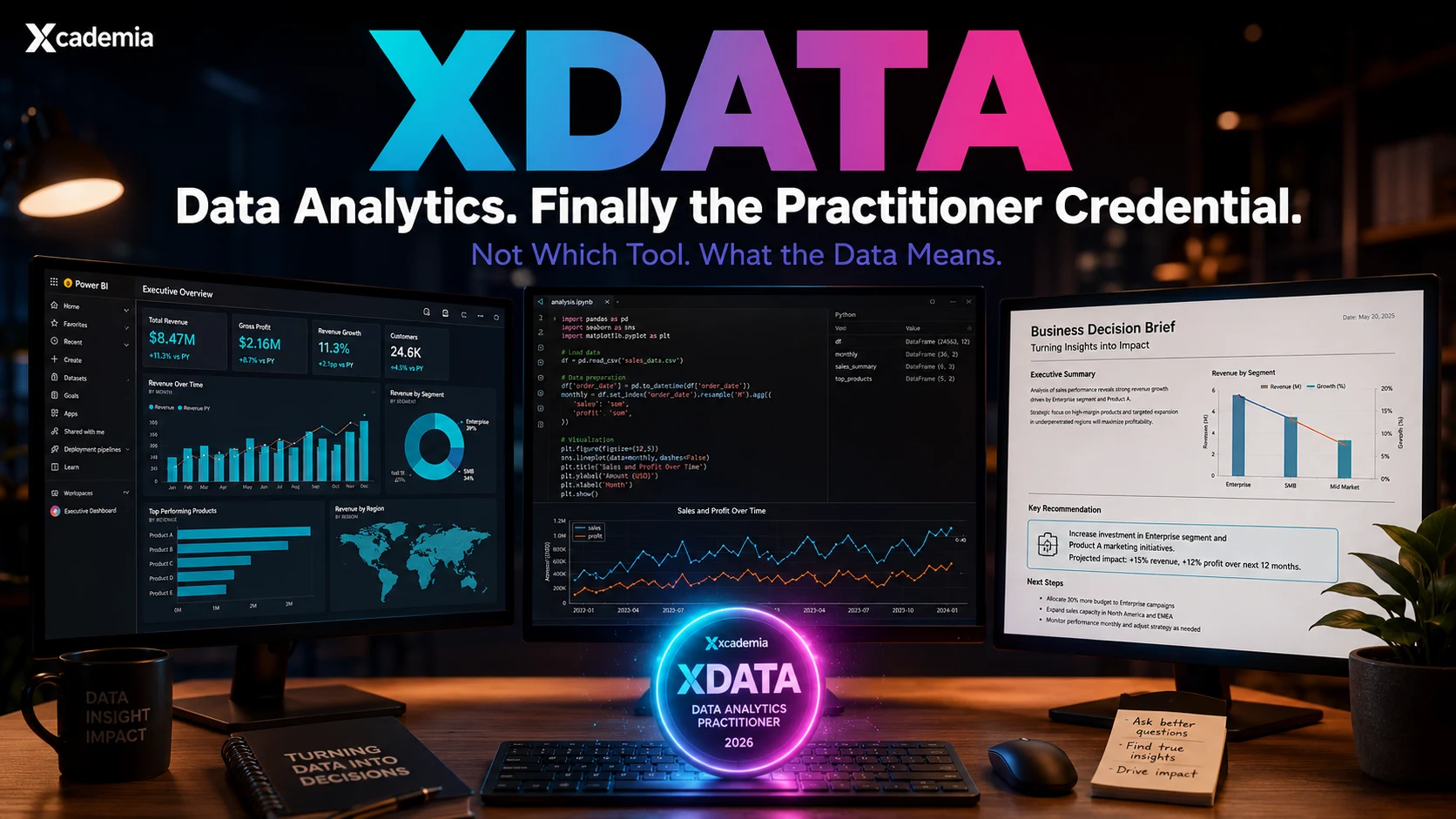
XDATA: Xcademia Data Management Practitioner
Most data analytics certifications test whether you can use the tools. XDATA tests whether you can answer the business question. From hypothesis framing and statistical analysis to Power BI, Python, and executive communication, it assesses applied analytical judgement.
 Cybersecurity
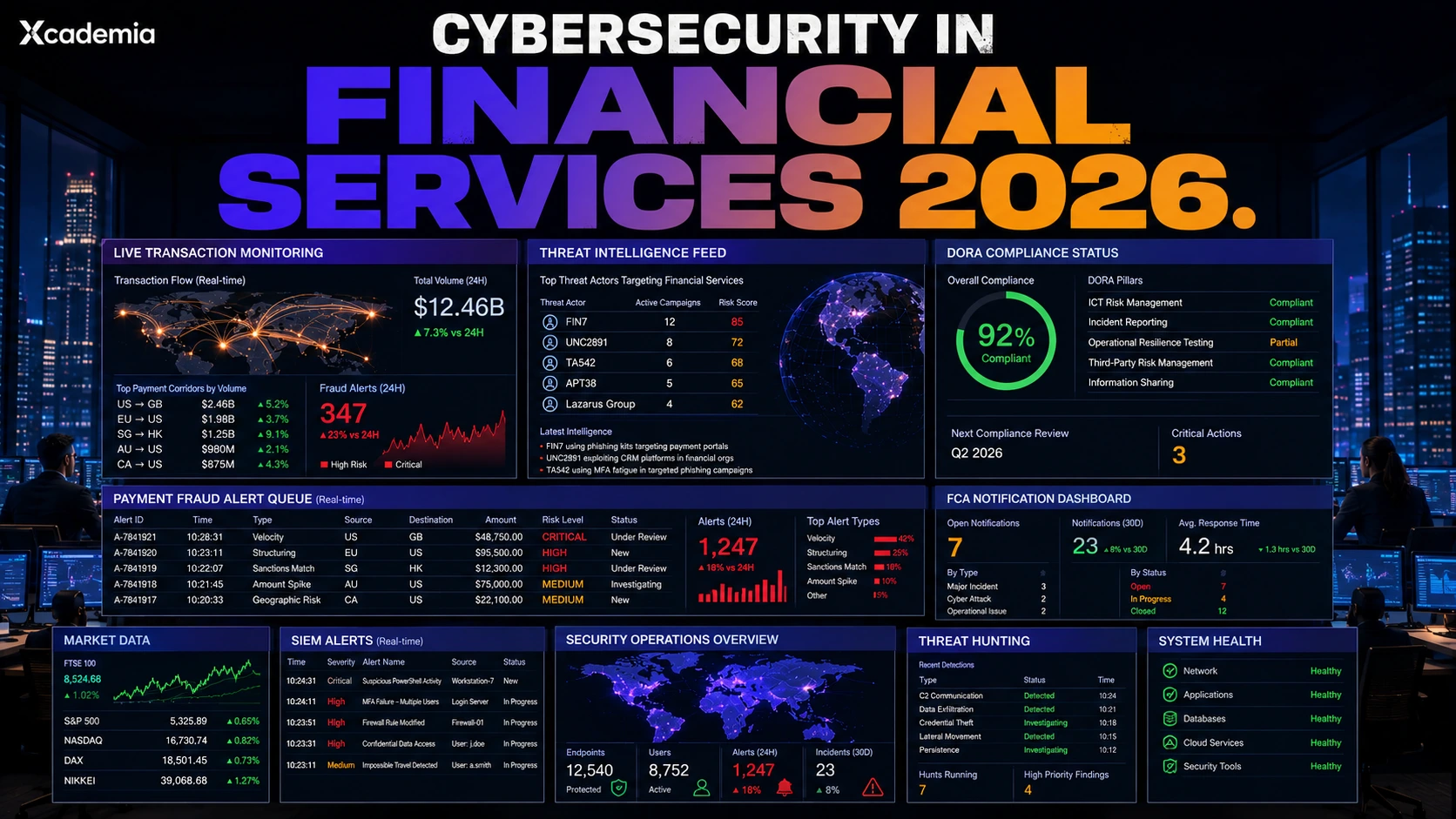
 in Financial Services 2026
Financial services faces the most complex cybersecurity landscape in 2026. From AI-powered fraud and ransomware to DORA, NIS2, and FCA requirements, this guide explores the threats, regulations, and specialist roles shaping security in banking, fintech, and insurance.
 Career Guidance
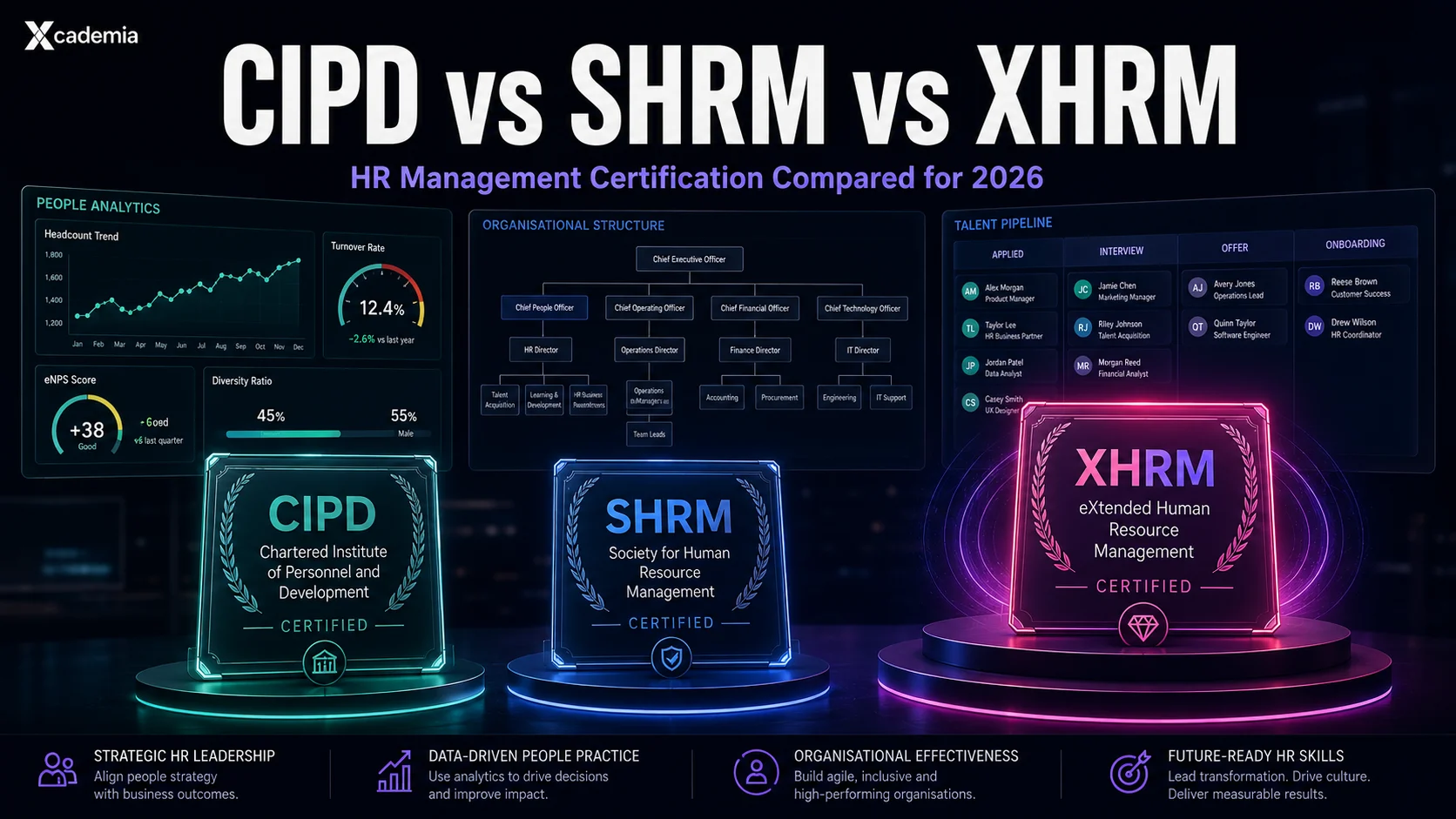
CIPD vs SHRM vs XHRM
CIPD is the UK HR professional standard. SHRM-CP is the global credential. XHRM focuses on what employers actually need: workforce planning, employee relations, people analytics, and leadership under real-world assessment conditions. An honest comparison for 2026.
 Cybersecurity
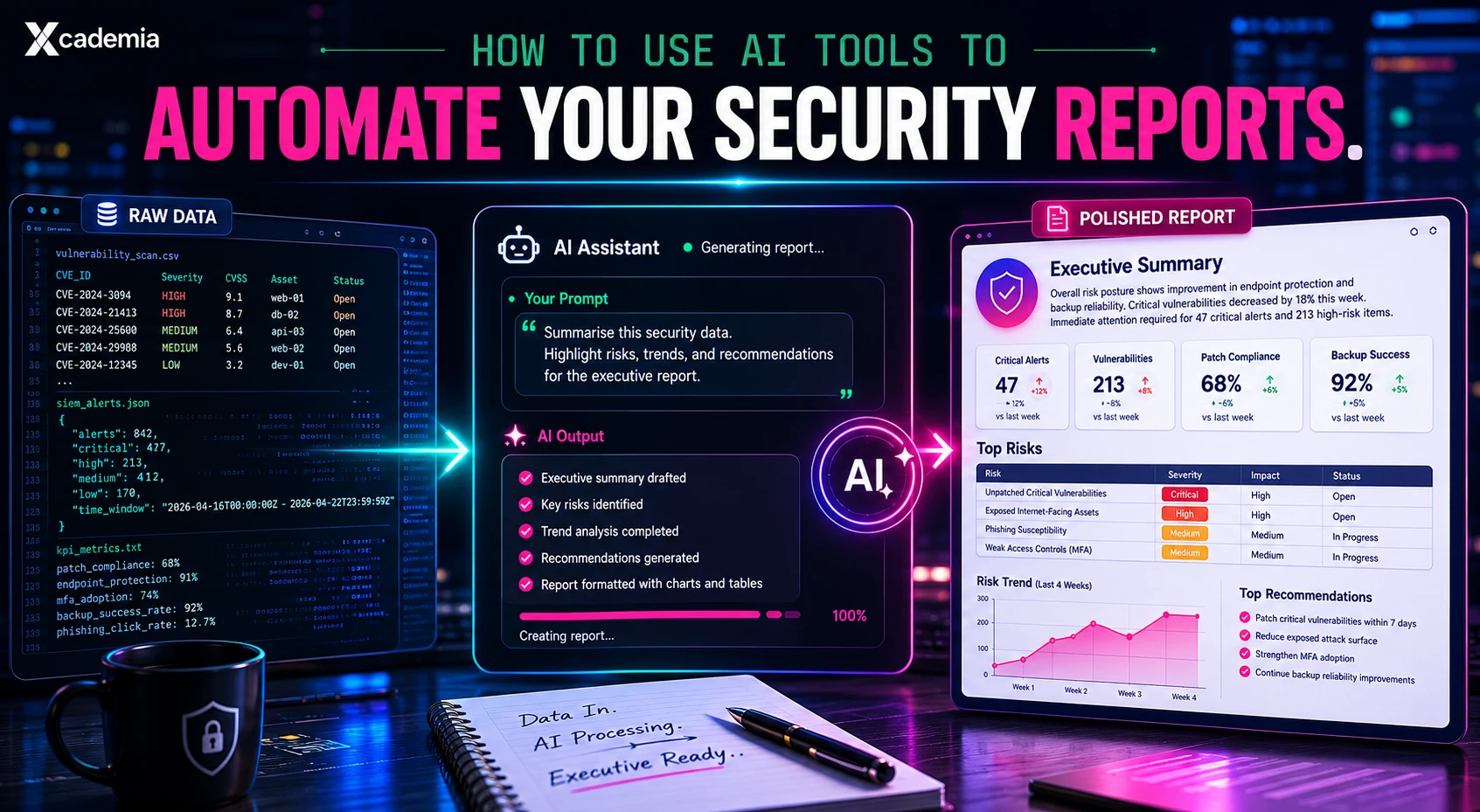
How to Use AI Tools to Automate Your Security Reports
Security professionals spend too much time writing reports and not enough time reducing risk. This practical guide shows how AI can automate six common security reports, cutting reporting time by 70-80% while preserving quality, accuracy, and analyst oversight.
 Career Guidance
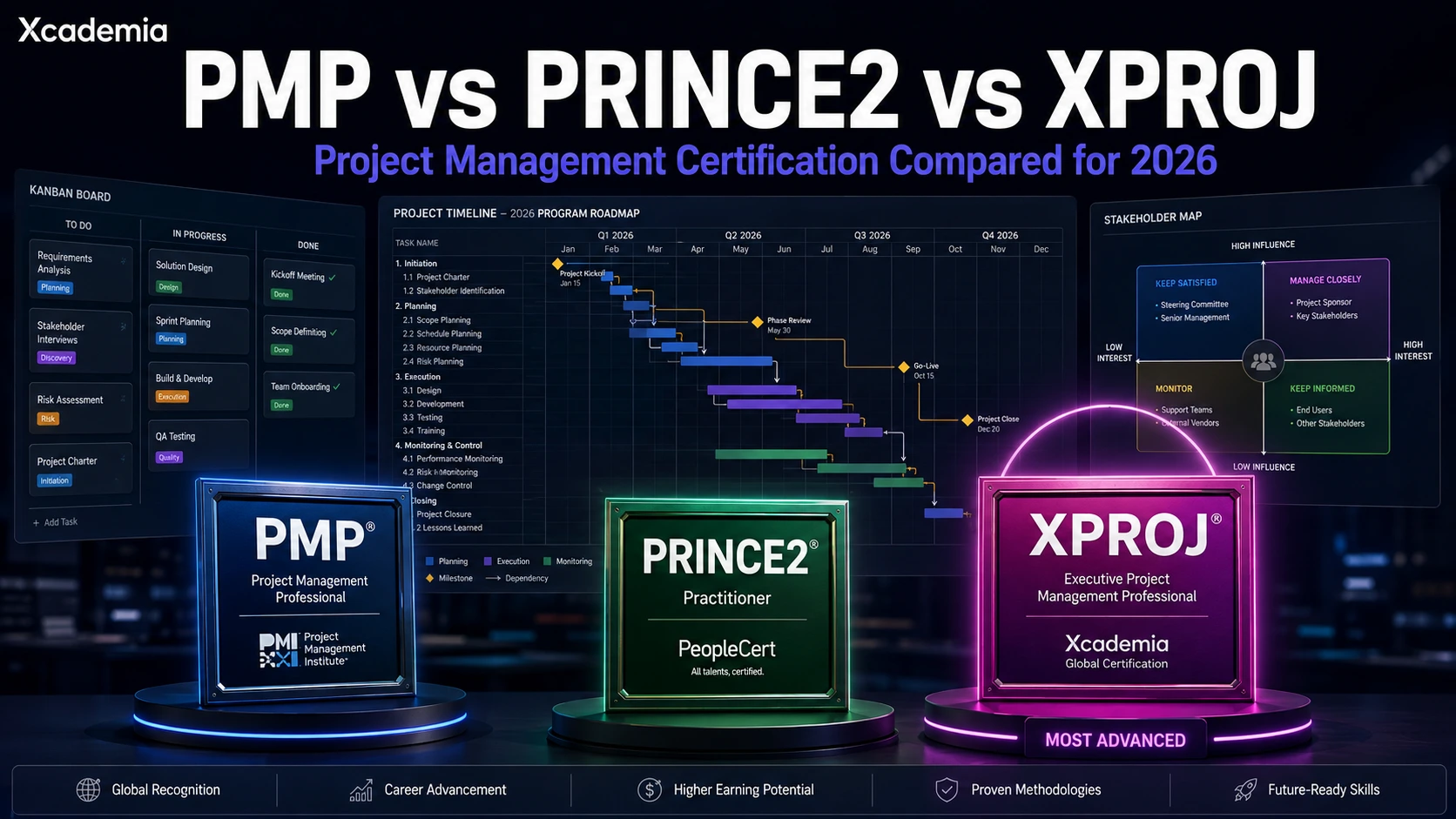
PMP vs PRINCE2 vs XPROJ
PMP is the global project management standard. PRINCE2 dominates UK public sector delivery. XPROJ focuses on practitioner-assessed project execution. This honest 2026 comparison examines recognition, assessment, cost, career value, and which certification best fits your goals.
 Cloud Computing
What a Cloud Architect Actually Does
Cloud architects shape the cost, security, and resilience of modern technology. Beyond diagrams, they design systems, write Infrastructure as Code, optimise cloud spend, govern security, and translate technical decisions into business outcomes across a typical working week.
 Industry Trends
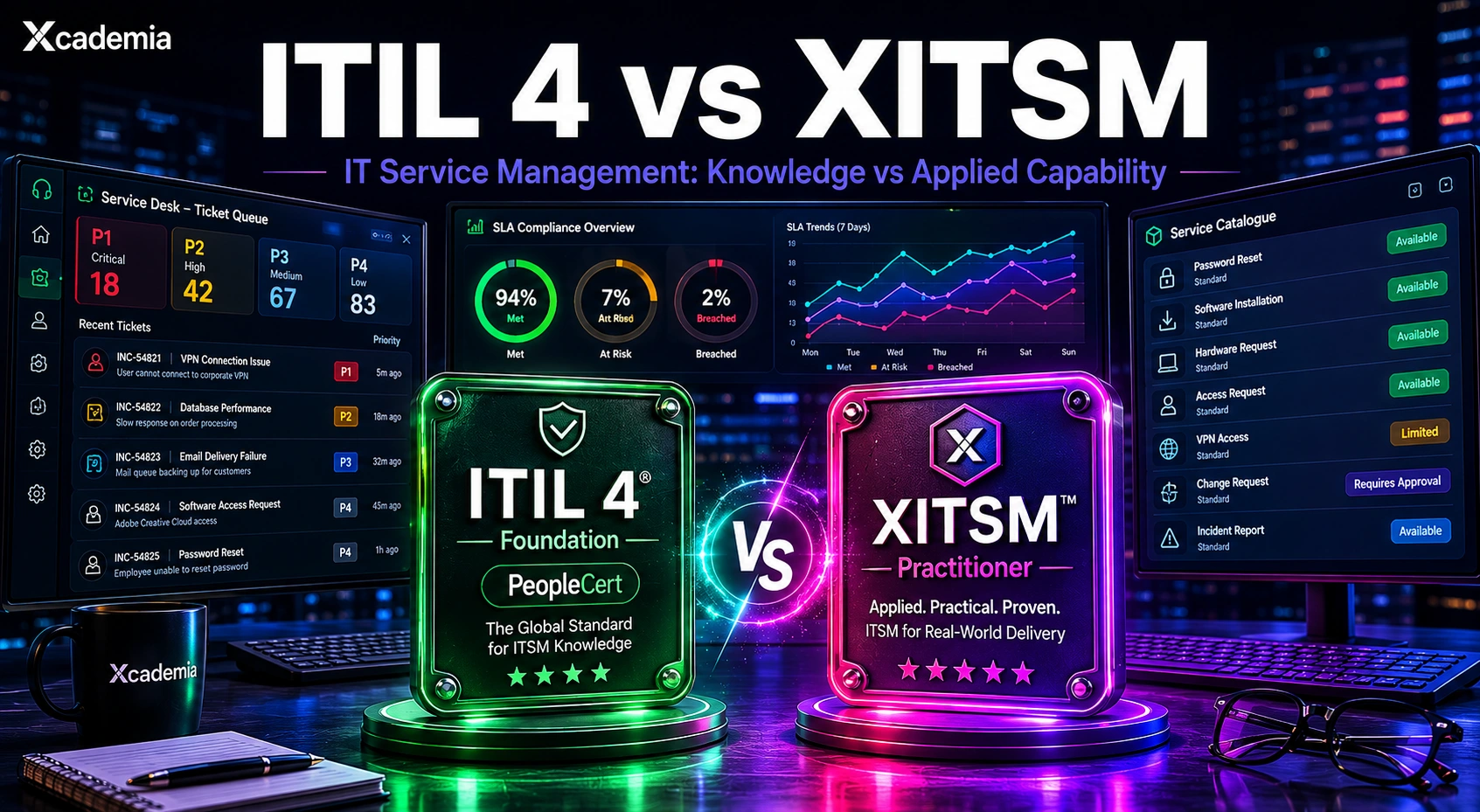
ITIL 4 vs XITSM
ITIL 4 teaches the language of IT service management. XITSM assesses whether you can apply it in the real world. Compare framework knowledge, operational capability, assessment methods, and career value for ITSM professionals in 2026.